


Mapping a healthier Tennessee: Meet Wansoo Im’s Mappler Lite platform
Mappler Lite puts mapping power in community hands — and founder Wansoo Im believes that data could reshape health and housing policy across Tennessee.

When Wansoo Im began working with Geographic Information Systems (GIS) in 1989, the technology was expensive. The idea that everyday people could make their own maps was far-fetched.
Nearly four decades later, he believes he has made community mapping more accessible than it has ever been with Mappler Lite. He recently pitched his startup at the AI Tennessee “From Lab to Market” event.
Mapping a movement
Im earned his doctorate at Rutgers University, where he taught and ran a GIS consulting practice serving clients across the pharmaceutical, airline and hospital industries. But his passion was always public participatory GIS. He strongly believes that residents, not just experts, should have access to the data behind planning decisions and help shape those outcomes.
“With the data you can understand what’s happening,” Im said. “You can do an analysis, and you can create a map to tell a story.”
The opportunity arrived in 2005, when Google launched its own mapping platform. Im was among the early builders.
He created an application that mapped publicly accessible restrooms across New York City and it became wildly popular. Anyone could add a location, from a department store to a library to a willing shop owner.
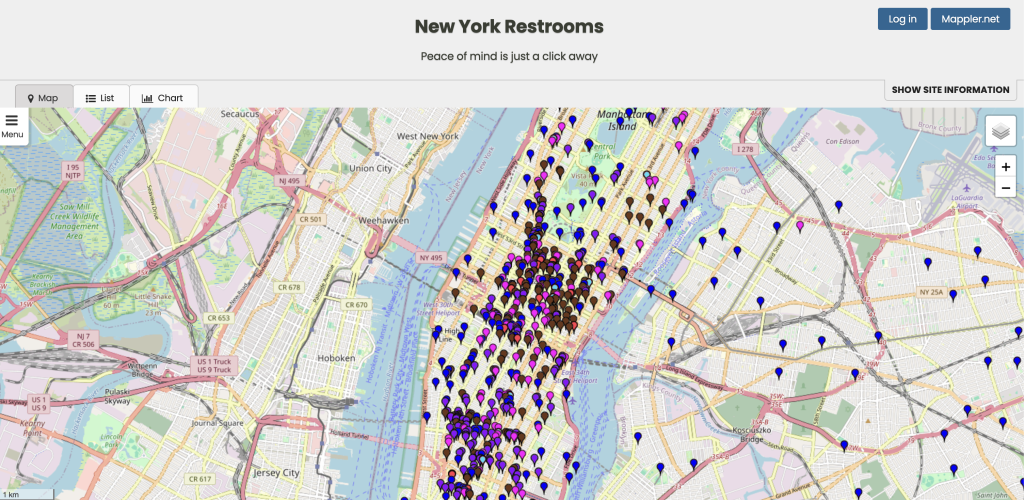
The community, not a company, owned the map. It was all about helping the greater good by publicizing something as simple as access to public assets. In 2007, he gave the approach a name: Mappler.
Mappler Lite
Im’s newest version of his technology, Mappler Lite, was designed so that anyone can create and share an interactive map without a steep learning curve, coding or budget.
The key innovation is where the data lives. Rather than uploading information to a central server, Mappler Lite connects directly to a user’s own Google spreadsheet. Update the spreadsheet, and the map updates instantly. Choose not to share the sheet, and the data never leaves the user’s hands. Watch the tutorial here.
“The beauty is the data is purely controlled by the people who upload it,” Im said.
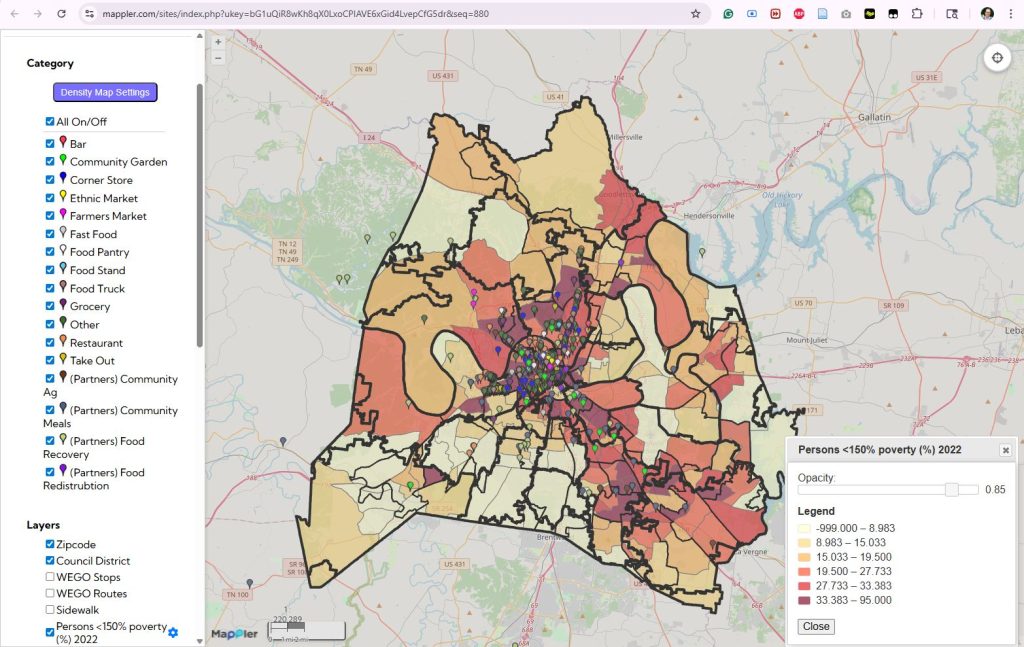
Democratizing data, Im argues, is not just about access. It is about ownership, privacy and confidentiality.
“My interest was always in how I can use this technology to help communities and people,” he said.
That mission shapes the platform’s business model. Mappler Lite is free for schools, community groups and nonprofits. For organizations that need higher data limits, customization or hosting, they can pay for upgraded tiers and consulting. Im sees local government as natural customers.
Where city planning meets public health
Im moved to Nashville in 2016 to join Meharry School of Global Health, bringing his company with him. The move placed an urban planner inside a healthcare capital. But he admits the move has worked out perfectly as Mappler Lite can easily connect the two industries.
Today, researchers and providers increasingly recognize that the social determinants of health like food access, transit, housing, air quality and climate are undeniable. But how do you get people to do something about it? Most people need to see to believe, and Im knows his maps are the perfect visualization.
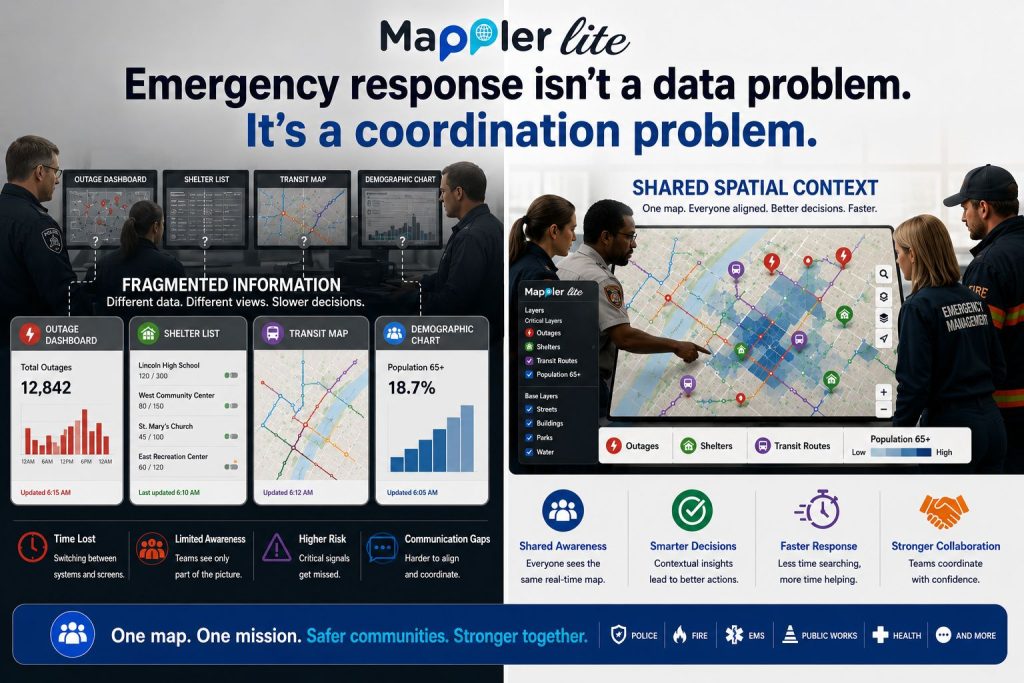
Currently, his Nashville mapping projects are identifying hot spots for food accessibility, transit access and mosquito breeding. His goal is for this data to inform policy decisions across the city and the state. Think optimized emergency response protocols and affordable housing legislature.
Im has been engaging with the state’s innovation ecosystem through LaunchTN and AI Tennessee, but he’s looking to build even more connections in the space.
Connect with Wansoo Im on LinkedIn.
Like what you've read?
Forward to a friend!