

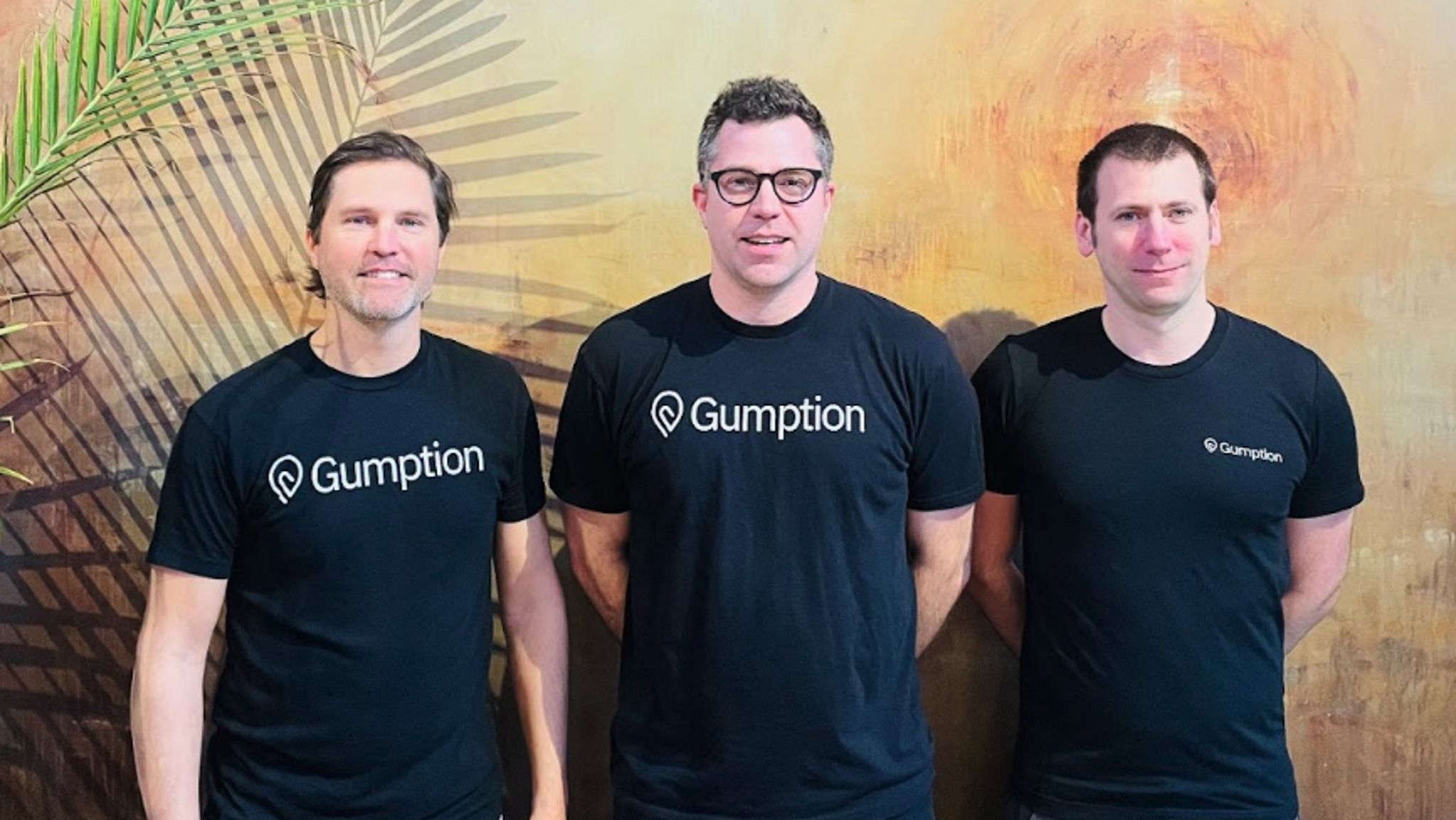
Chattanooga startup, Gumption is resolving the power struggle between real estate developers and commercial lenders
Gumption's founders say the platform helps cut down the time spent finding and securing financing for commercial projects by 40 to 50%.
When you look across a skyline – Chattanooga, Knoxville, Nashville – you will see hundreds of buildings that compose the view. Behind almost every single one is a commercial real estate developer who had to secure project financing from a lender.
One of those commercial developers, Ward Neely, had the kind of experience that left him with burn marks. Right before the pandemic, he started construction on a property with a hotel attached to it. Unfortunately, due to mandates for people to stay home, 2020 was not the ideal year to finance a hotel property.
Neely’s initial bank partner was unable to continue the deal, leaving Neely with two options: refinance or sell.
“You literally cold call banks, asking to talk to a loan officer, and wait for a call back. Some ask to get coffee, then lunch, then coffee again, all to end up with a rejection,” he said. “I wasted weeks, months waiting to hear back.”
About one year into the project, Neely had to sell it. The developer who bought the property used a niche bank in the Midwest to refinance the deal and saw the construction through to completion.
“Had I known of that bank out in the Midwest, I would have completed the project myself,” Neely said.
That was a couple of years ago.
Now, Neely is the co-founder of a company called Gumption, which helps real estate developers avoid the same pitfalls by matching them with secure financing options anywhere in the country. He started it in 2023 alongside Jon Dickerson and Tim Coy, who come from the software technology space.
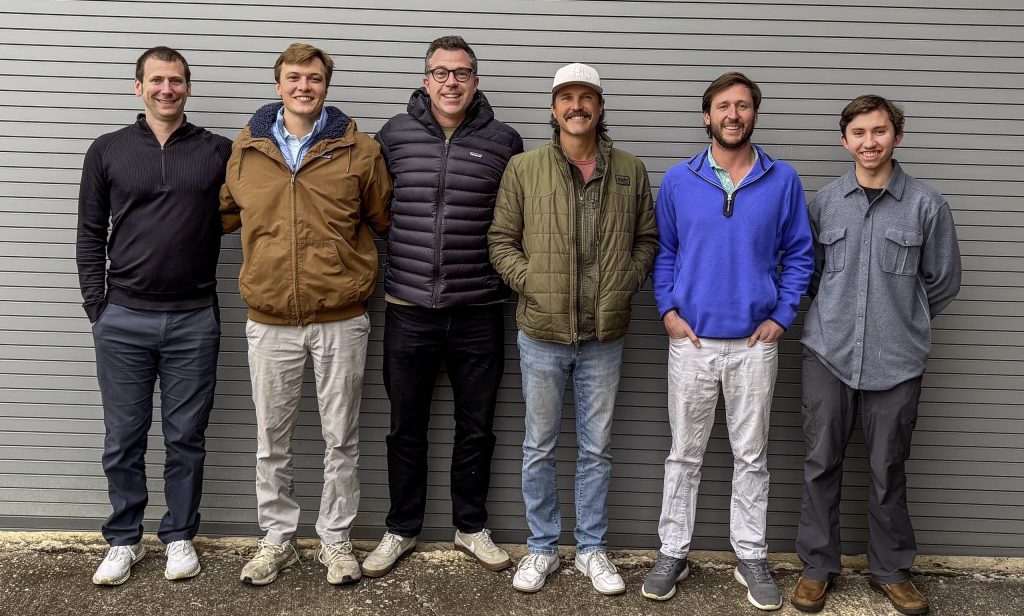
Main Street real estate is an underserved market for financing
Neely, Dickerson, and Coy became passionate about serving what they consider to be an underserved market in commercial real estate: Main Street projects.
“It houses the businesses and industries that employ a lot of people and make goods and services. We believe, visually, commercial real estate really matters. It’s so important to the look and feel of a community,” Dickerson explained. “So, why are these so hard to get financed?”

For most commercial real estate professionals, debt is an integral component of development.
The U.S. has more than 4,000 FDIC-insured commercial banks, each maintaining its own constantly shifting appetite for the types of loans it wants to make.
“You can’t keep track of this without some type of data and tech platform,” Dickerson said.
So, they founded Gumption
Gumption is a match-making platform for real estate developers and commercial bankers to connect across the country. Once a developer puts their project and requests financing on the platform, Gumption sifts through its 800 onboarded lenders to find the needles in the haystack. Then, the platform can also assist in term negotiations.
“Real estate professionals are commission-based. You eat what you kill. Bankers are salary. So, one of those is going to overtake the other. And typically, the banker takes over the relationship, because they’re the ones with the money,” Neely explained.
When a deal is posted on Gumption, Dickerson and Neely said developers can expect three to four offers from lenders, with terms, within a few business days. That would be, by the founders’ estimate, 40 to 50% faster than the traditional process.
Neely said it has the potential to shift the market dynamics.
I think we’re rebalancing the power in in the borrower-lender relationship.
But, for startups, the idea is the easy part. Often, the real success comes from the strategy and execution.
The Gumption team is paid when a match is successfully made. It’s largely performance-based and dependent on the size of the loan.
“If we don’t perform, you don’t pay, which is really kind of a standard structure for commercial real estate,” Neely said.
Making a change that people can see
In a world that is constantly revolving and evolving around artificial intelligence, the Gumption team is excited to bring something with a physical impact to the marketplace.
Dickerson said the mission is to power the flow of capital that shapes cities across the U.S.
What we’re doing is tangible. We’re helping finance buildings that you can see, touch, and experience. They’re there in the physical world, and they matter to the community.
Gumption is located in the city of Chattanooga, a place that has benefited immensely from commercial real estate investment and development. And the founding team has no plans to leave the Gig City anytime soon.
Gumption is a Brickyard portfolio company
Brickyard is an unconventional early-stage venture capital firm founded in 2021 by Matt Patterson and Cam Doody in Chattanooga. Founders take investment and spend months– or years scaling their startup on-site until they reach their first million dollars.
Dickerson and Coy spent a couple of years working for Doody and Patterson at Bellhop, which is the company they started together in 2011. At the time, they were focused on software and service, which was the bread and butter of what made the company so successful.
“You get to know people really, really well when you work at an early-stage startup. They are our kind of pressure cookers, right?” Dickerson said. “So, when we started Gumption, Brickyard cut us our first check.”

It’s a part of Gumption’s fabric to honor that service-based mentality. Both Dickerson and Neely agreed that cultivating relationships and servicing people well through the platform is their top priority.
Like what you've read?
Forward to a friend!