
This device could save America’s cattle industry and transform diagnostics across every vertical
A breath-analysis device built from COVID research is now targeting cattle bovine respiratory disease, but the Tennessee startup's ambitions go far beyond the pasture.
The cattle herd is at its smallest in more than 70 years mostly due to the deadly bovine respiratory disease that costs an estimated $3.8 billion a year.
A local stocker operator can find just two infected animals among a group of 350 calves. About 40 to 50 animals will die, and more than half of the rest will need treatment. The combined losses and costs will take two years of profits to recover.
Unfortunately, most farmers can’t wait those two years to get back above water. Usually, that farmer ends up loosing its herd and can no longer make a living. Then the farm gets sold, and Tennessee is already losing roughly 400 acres of farmland per day.
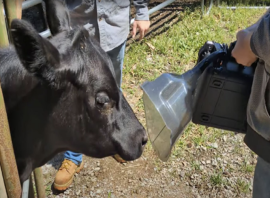
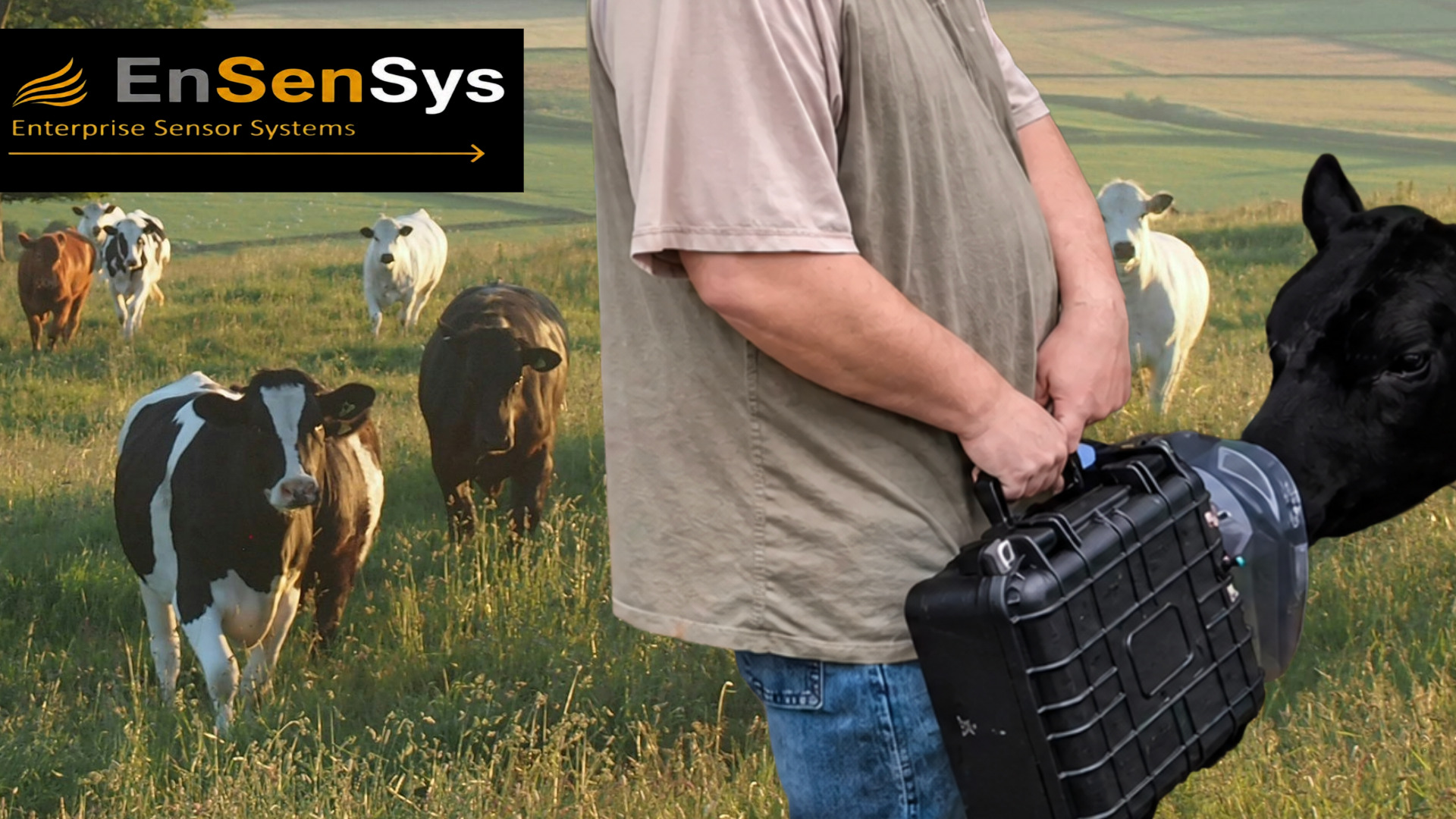
But what if there was a disease detector that could help spot disease earlier, and then allow for quicker isolation to stop the spread? Enterprise Sensor Systems (EnSenSys) has developed a device that detects this disease in cattle by analyzing their exhaled breath in under 60 seconds.
“This doesn’t just affect cattle. If you like ice cream, if you put cream in your coffee, if you like a juicy steak — we’ve all lost $3.8 billion,” Chief Animal Health Officer James Buck said.
The diagnostic gap
Today, when a vet suspects disease in a calf, the tools available on-site are a stethoscope, a thermometer and their training. When those don’t get the job done, a nasal swab gets sent to a lab for testing which takes days. In that time, the disease spreads vastly.
Their prototype weighs less than 15 pounds, can be operated chute-side and is completely non-invasive.
It reads the chemical makeup of breath and compares it against a growing AI database of breath images from healthy and infected cattle. Currently, they have more than 10,000 breath images compiled and validated by local experts.
Built on COVID research
Enterprise Sensor Systems was originally built to help diagnose humans during the pandemic.
The company’s CTO, Al League, a retired military intelligence officer who helped develop defense sensors, thought that the same sensors might detect COVID-19 in human breath.
League immediately called John Castellan, a former U.S. Marine who now serves as their CEO. They assembled a team, secured an early government grant and brought their prototype to the University of Tennessee Health Science Center. The prototype successfully identified COVID-19. A follow-up study in a Baltimore emergency room extended the sensor’s reach to things like influenza and other viruses.
It was viable, but getting a human diagnostic device to market would costs tens of millions of dollars and FDA review. They knew tapping into the animal diagnostics would be less of a hill to climb due to less regulation which drastically lowers the cost and commercialization timeline.
“A couple of million dollars will probably get our technology to commercialization,” said Buck.
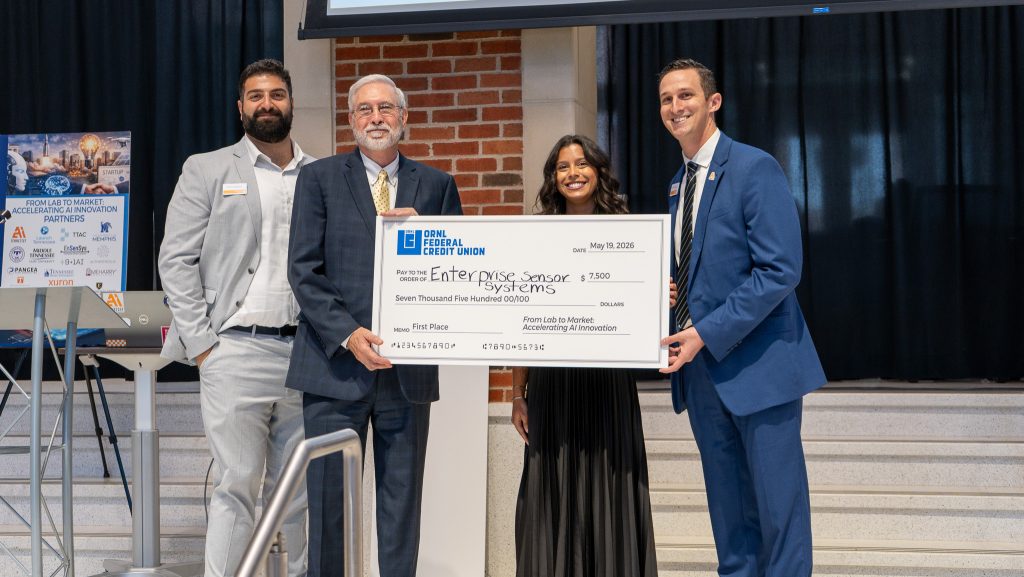
Luckily, they are already on their way as they recently took home the first place prize at AI Tennessee’s “From Lab to Market” event, but more investors are still needed.
Buck estimates it will take roughly $250,000 per disease to train the sensors, and he is eyeing about 12 cattle diseases. A $500,000 investment would accelerate the current work. Two million would allow expansion to three or four diseases. Five million, he said, would likely carry the company through the cattle vertical entirely and into the next.
Different verticals
The commercialization roadmap is to establish the cattle business, generate cash flow, expand into swine, poultry, equine and companion animals, then return to human medicine with both the validated technology and the resources to navigate FDA approval.
To Buck, the early warning potential makes the device so critical for almost any and every vertical.
“When is the next major disease? African swine fever is not in the U.S. yet,” Buck said. “What if we can find the very first case zero of other diseases — and cut the time to understanding that new disease faster? That’s the early warning capacity this technology brings to the market. We understand that this is technology that changes an industry, like this X-ray machine or the MRI was.”
And brainstorming even further ahead, the sensors could go well beyond medicine. Think implications for national security and drug detection like identifying drugs in seconds, screening shipping containers efficiently and more.
Follow Enterprise Sensor Systems on LinkedIn.
Like what you've read?
Forward to a friend!