
JobWillow is fighting the AI slop in entry-level hiring with a new human-centric approach
A University of Tennessee junior has built a hiring platform that penalizes employers for ghosting applicants and makes it harder for students to apply with AI-generated answers.
Jack Ford is a junior at the University of Tennessee, Knoxville (UTK) who built a hiring platform to fight ghosting and AI dependency in job seeking.
He has watched his peers collectively apply for hundreds of internships and entry-level positions to receive only a handful of rejections or next-step emails in return.
“For students, ghosting is the number one problem on student-job seeking platforms like Handshake,” Ford said. “We actually asked students on campus: Would you rather get hit by a bus or get ghosted on Handshake? Most students chose the bus option.”
Ford also experienced the issue firsthand. Last year, he applied to about 40 internships and received no reply from roughly half.
Thankfully, he landed a competitive internship at Oak Ridge National Laboratory (ORNL) by networking with his connections inside the lab, not depending on his application.
On the company side, Ford said recruiters are getting spammed by AI overuse in applications: over-generalized answers to prompts, resumes not tailored to the position, or candidates who have done little to no research about the company or role.
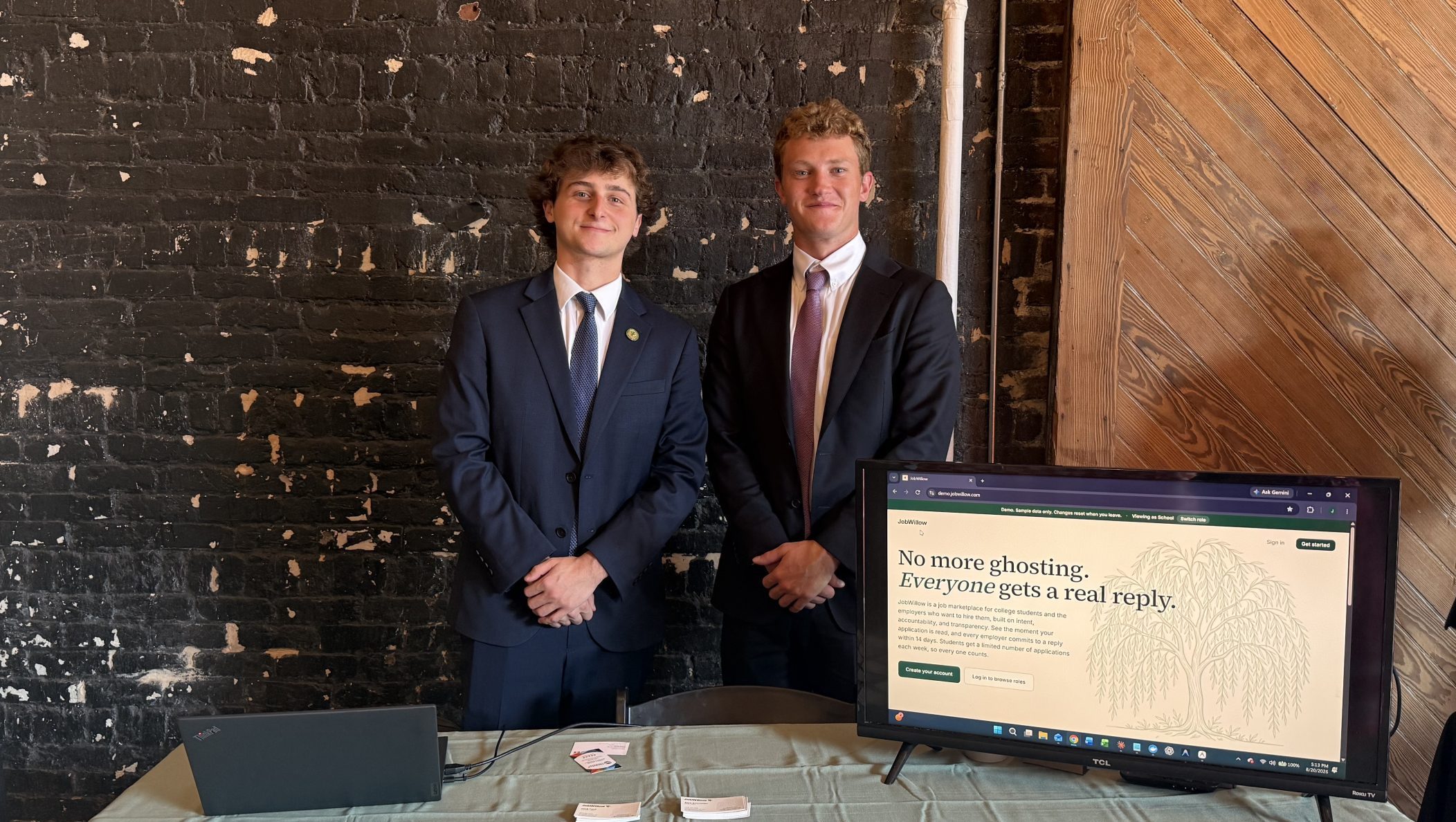
To solve the two-sided problem, Ford built JobWillow, a new hiring platform designed around people-centric recruiting, limiting AI usage and reducing ghosting.
“You’re hiring a human, you’re not hiring AI. So we’re taking the opposite approach and trying to put humans back into everything,” Ford said.
JobWillow delivers highly interested candidates to companies that actually respond
JobWillow is similar to Handshake in that it caters directly to students seeking internships and entry-level positions. The driver behind the platform is scarcity, Ford said.
Students get a limited number of applications per week; employers must respond within 14 days or the application auto-declines, and both sides carry public reliability scores. Reliability scores track both student and employer response rates, punctuality and communication, influencing the number of applications they can submit per week on the student side or affecting the visibility of job postings on the employer side.
Cutting back on “AI Slop”
Ford has programmed several features into JobWillow to reduce the overuse of AI in the job application process.
First, employers can require a 30-second video of the candidate, similar to a virtual cover letter. Second, Ford has built a friction point into the platform to curb answers generated by ChatGPT, Claude or other AI software.
“I am implementing measures to avoid copy and pasting into our platform,” he said. “And the video portion is obviously much harder to fake, but employers can choose to have live recording in the browser so students can’t upload a highly edited video.”
Generating interest at universities across the state
Ford said the platform is fully functional and ready to begin onboarding students and employers. So far, he’s had several conversations with career centers at college campuses across the state to examine JobWillow as an alternative or complement to Handshake.
“The platform is deeply integrated into colleges and universities across the country. For example, I had to make a profile for class in my freshman year,” he said.
He envisions JobWillow taking the same route, working with colleges and career centers to onboard students. Then Ford hopes to focus on the employer side.
“It’s a chicken or the egg scenario, where employers aren’t going to come unless there’s a qualified pool of students,” he said.
The support systems behind JobWillow
Ford isn’t building the platform in a vacuum. He has been working alongside Alan Schneider, the company’s chief operating officer (COO) and chief marketing officer (CMO). Together they have been door-knocking at career centers and college campuses across the state.
The Anderson Center for Entrepreneurship and Innovation (ACEI) has also been a foundational part of JobWillow getting off the ground.
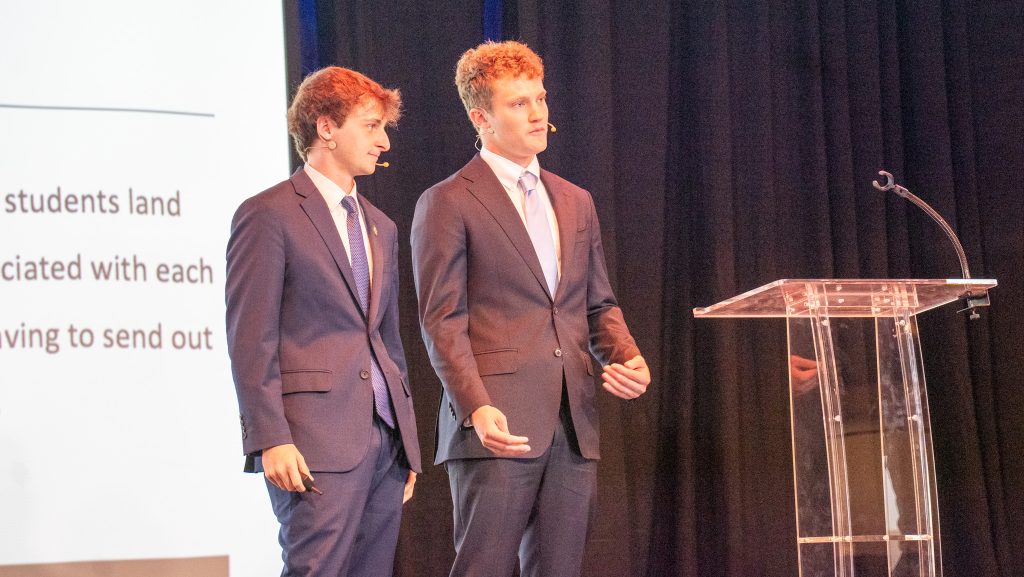
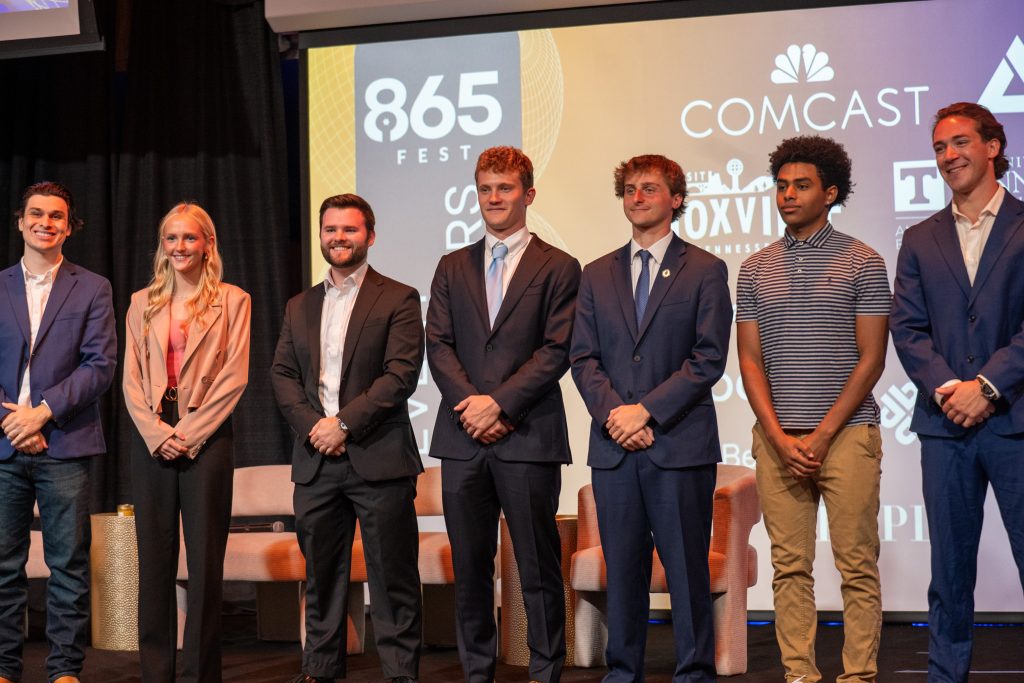
Ford and Schneider went through the 10-week ACEI Summer Studio at 121 Tech Hub and have participated in several campus pitch competitions. Most recently, the team presented as emerging entrepreneurs at 865 Fest, an annual celebration of Knoxville’s entrepreneurs.
As Ford continues to scale JobWillow, he’s also planning for his future after college. He has spent the past five months interning at ORNL and already has an internship lined up at Lawrence Berkeley National Laboratory in California for the summer of 2027.
“I’ll be out in Berkeley, very close to Silicon Valley and the startup ecosystem,” he said. “I’m really hoping to connect with lots of people there.”
For now, JobWillow is his outlet. Through it, he hopes to prove that people still want to be recruited by people. The market will decide if he is right.
Like what you've read?
Forward to a friend!