

13 companies, one thesis: East Tennessee is built for hard tech
At Friday's showcase, the University of Tennessee Research Park's Spark Accelerator kicked off a cohort heavy on nuclear, critical minerals and advanced manufacturing, plus SparkShop, a new engineering track for the region's hardest problems.
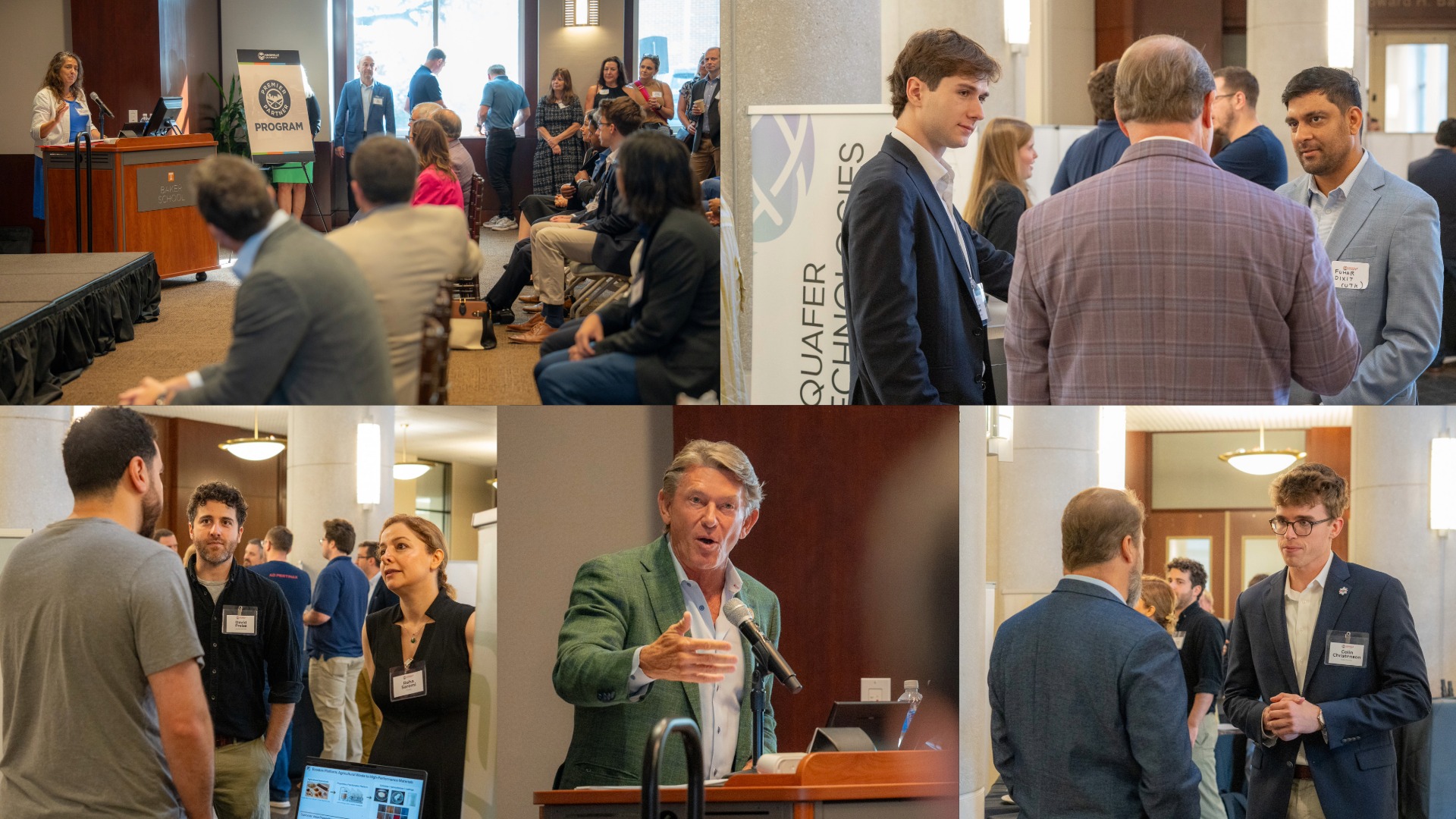
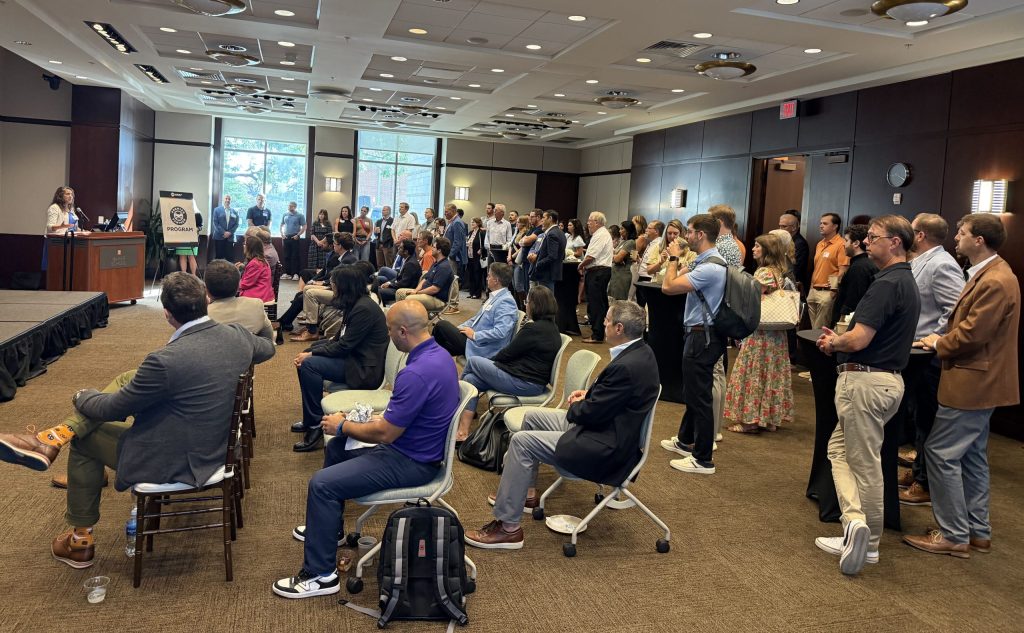
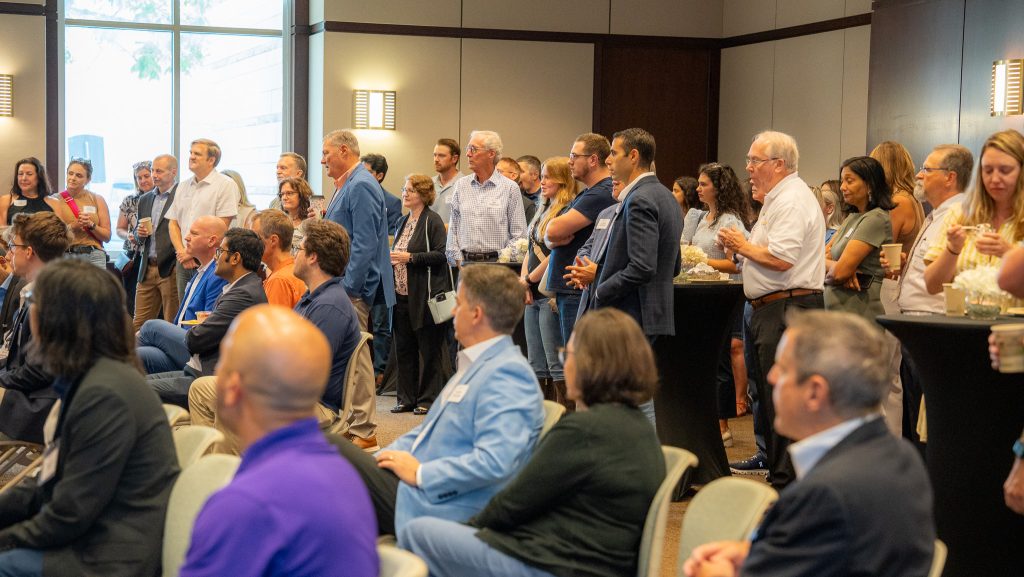
Nearly a hundred founders, investors, business leaders, and ecosystem builders fought second-week-of-classes traffic to pack a conference room at the Baker School for Public Policy at the University of Tennessee, Knoxville, on Friday, where the Spark Accelerator introduced the 13 companies in its fall 2026 cohort.
The lineup of startups leans hard into the physical: nuclear microreactors, lithium isotopes, critical minerals recovery, PFAS filtration and advanced manufacturing.
But that is precisely the point.
Spark is the commercialization platform of the University of Tennessee Research Park, and it was built to move complex, capital-intensive technologies out of the lab and toward market. It is aligned with UT’s five “Innovation Gateways” in advanced materials and manufacturing, artificial intelligence, energy and environment, future mobility, and health and wellness.
“In East Tennessee, we’re proven to be really good at building complicated things, because we have the technical expertise to do so,” said Bill Malkes, the program’s executive director.
It is Malkes’s first cohort leading the program, and the through-line of his pitch is geography. Malkes believes the region’s concentration of research, manufacturing and talent makes it the right place to build hard technology companies, not just inventions. Plus, the region has an eager community of supporters to see that vision through.
It takes a village of partners
The Friday morning Spark Showcase spent much of the morning naming partners who uplift the Spark founders.
“Raise your hand if you’re a founder in this room,” said Harry Gross, Truist’s regional market executive, during opening remarks. About a quarter of the room raised their hands, receiving applause. “For you all – I emphasize partnerships. We don’t do anything by ourselves. Everything is done with partners.”
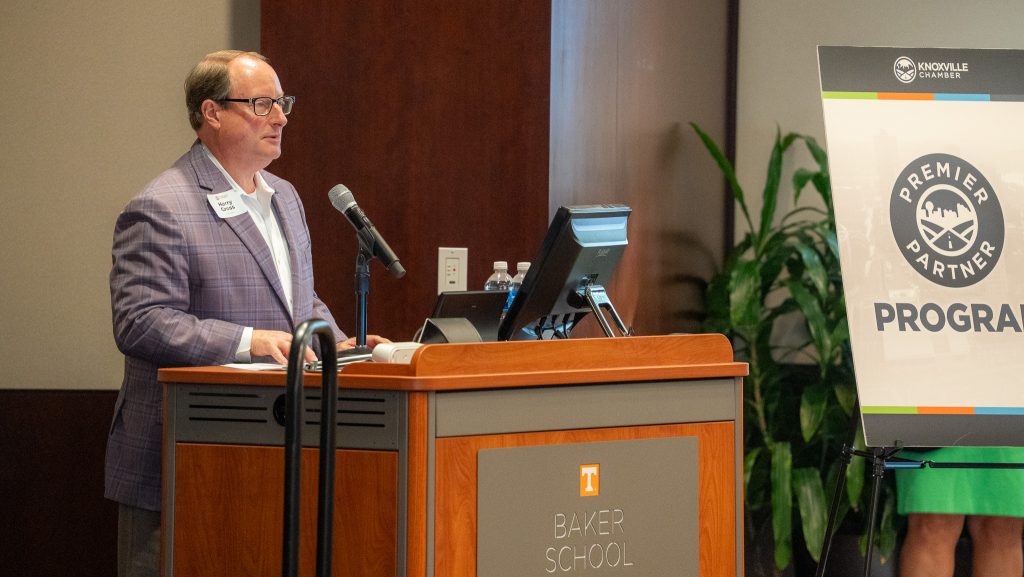
The partner list for the Spark program is long and helpful for founders. Truist has backed the accelerator since its inception. The East Tennessee Economic Council (ETEC) signed on as a partner, and the Knoxville Chamber is a longtime Spark partner, hosting the Friday morning showcase fot the second year in a row. Oak Ridge National Laboratory (ORNL) is a longtime partner. The Tennessee Advanced Energy Business Council (TAEBC) is a longtime partner. The Tennessee Valley Authority (TVA) is a longtime partner. The list goes on and on.
For the first time this year, the Howard H. Baker Jr. School of Public Policy and Public Affairs joined the partnerships list, acknowledging the powerful role of policy in allowing new, emerging technologies to go to market.
Investor groups including Three Roots Capital, Market Square Ventures, and Community Equity Partners have all financially backed Spark alumni companies.
To sum it up, the functionality of the Spark program runs on community partnerships.
One roadmap, two timetables
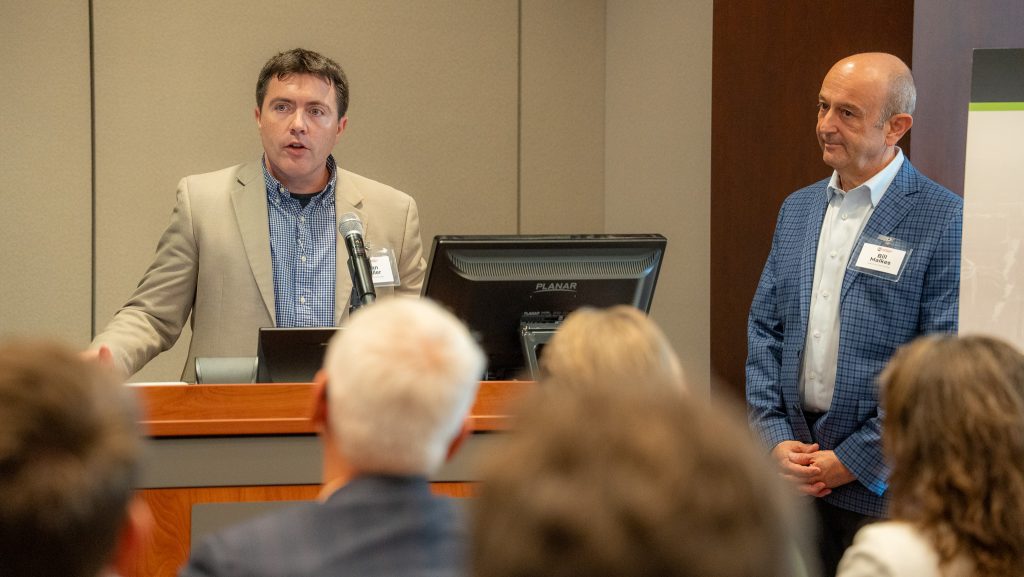
The cohort runs on two timelines. Seven companies are in the 12-week Spark-specific track. The other six are Innovation Crossroads (IC) founders, who begin a two-year fellowship with ORNL by first moving through Spark programming, and who have committed to two years in Knoxville. The Director of the IC program is Dan Miller (pictured above).
New this year: SparkShop
One 2026 addition is SparkShop, a resource that helps companies define their engineering pathway, work through regulatory and market requirements, and connect with the region’s manufacturing, customer, and capital resources.
Built in partnership with TAEBC, SparkShop launches with an inaugural advisory board meant to sharpen the curriculum and pressure-test engineering plans. It is directed by Stewart Milne, formerly the engineering lead at SkyNano. Inagural board members include Ben Jordan of Centrus Energy, Patrick Ellis of Type One Energy, Matt Cole of Alpha Safety, Jeff Kanel of J.S. Kanel & Associates and Kevin Givens of BWXT.
“America is rebuilding its manufacturing base and competing to lead the world in energy. East Tennessee has the people, institutions, and industrial muscle to help do both,” Malkes said. “SparkShop is about making sure the next generation of companies gets built here.”
The cohort on the concourse
Eric Heikkenen, founder of NXT MFG, developed an adaptive process control approach for 3D metal printing that could make industrial-grade additive manufacturing accessible to electric utilities. Read recent NXT MFG coverage.
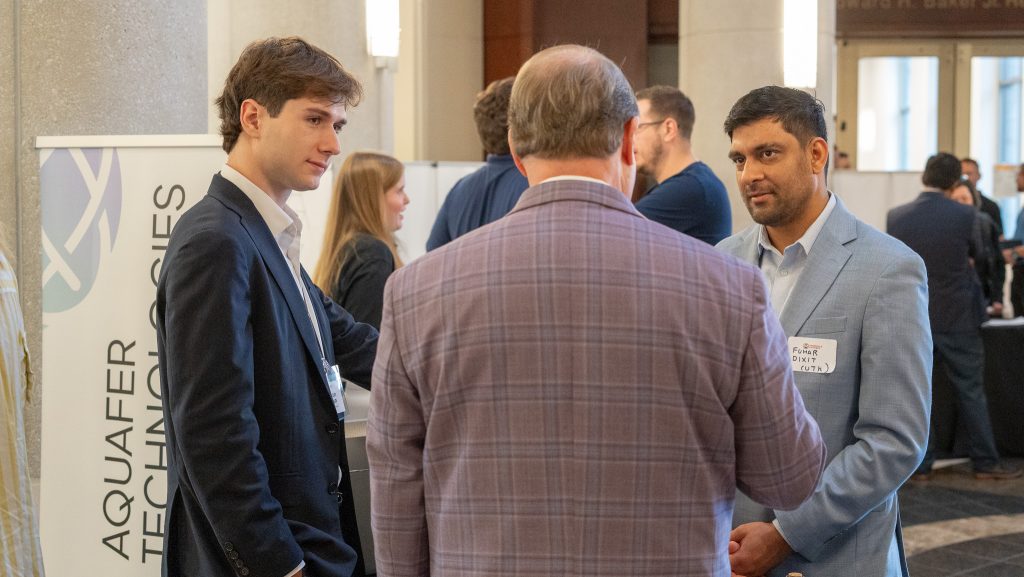
Marton Krivan, engineering lead for Aquafer Technologies, is building a longer-lasting filtration material designed to strip the full spectrum of PFAS, “forever chemicals,” from drinking water. Read previous Aquafer Technologies coverage.
Daniel Rau, founder of Kunin Technologies, is developing a chemical separation process that pulls overlooked critical minerals like gallium, germanium, and vanadium out of mine waste, aimed at reducing U.S. reliance on foreign sources. He was unable to attend the Friday showcase due to a work conflict in D.C. Read previous Kunin coverage.
Ernesto Borrego, the founder of HAND Technologies, is working on carbon and ceramic matrix composite manufacturing.
Erick Hoegberg, the founder of DiNeu Technologies, is developing a diamond-based semiconductor detector for alpha spectrometry
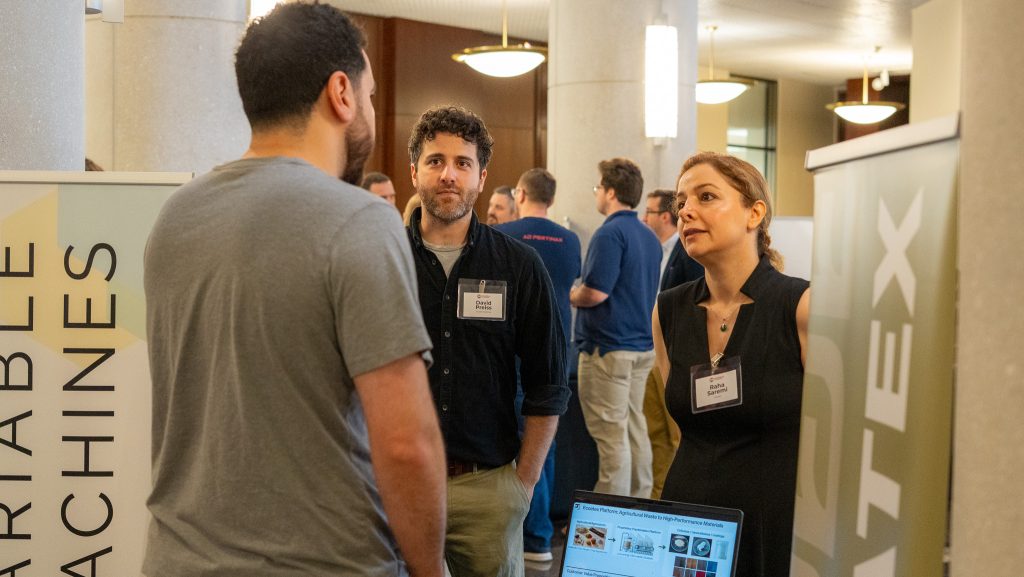
David Preiss, the founder of Variable Machines, is building programmable tooling.
Raha Saremi, the founder of Ecoatex, is converting agricultural residue and marine biomass into bio-based materials like nanocellulose and specialty fibers, building nontoxic, biodegradable alternatives to petroleum-based materials that can slot into existing manufacturing lines.
Paul Monroe, Director of LiCube, produces ultra-high-purity lithium through a patented process and is expanding into separated lithium isotopes, including lithium-6 and lithium-7, feedstock for fusion and advanced nuclear markets.
Walter Xu and Adil Ahmed are the cofounders of Canary Instruments, which is building continuous, real-time radiation monitoring for nuclear fission and fusion applications.
Feng-Yuan Zhang and Matthew Mench founded Nutrode, creating advanced electrode materials and electrochemical systems for electrolysis, fuel cells, sensing and green hydrogen, aimed at improving electrolyzer performance and lowering the cost of hydrogen and oxygen generation.
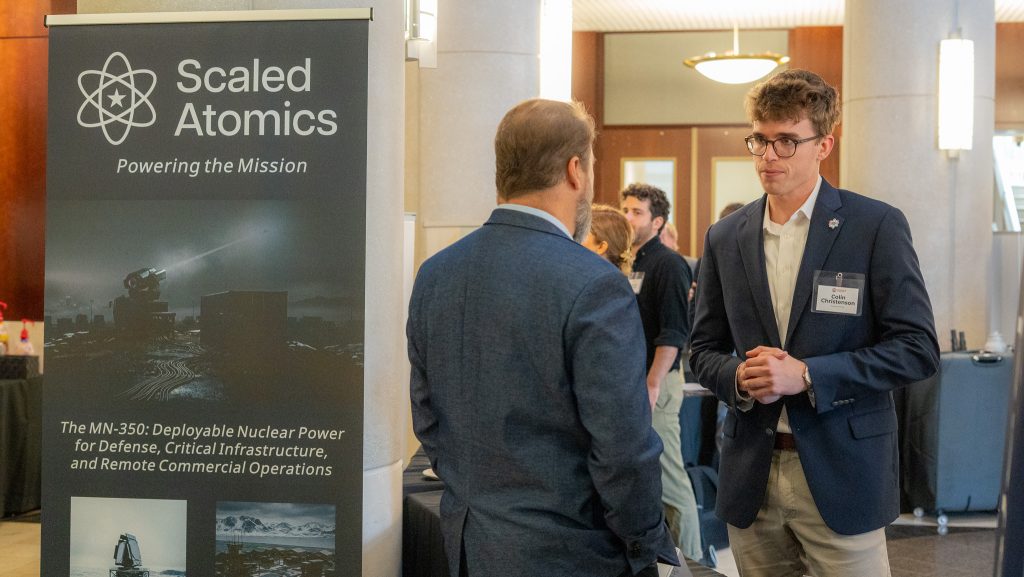
Chris Pehrson and Richard Lawson founded Scaled Atomics, a nuclear company building the MN-350 Mobile Power Module, a 350 kW mobile nuclear microreactor packed into a single 20-foot CONEX container. Read previous Scaled Atomics coverage.
Marcos Perez founded Erasmus Energy to develop faster, more affordable ways to produce radioisotopes for energy and medical uses, starting with compact radioisotope power systems for transportation, aerospace, and medical devices.
Kuntal De founded PAN Biologics as a biological platform for functional diagnostics and mechanism-based drug screening. Read previous coverage of PAN Biologics.
For all the range in the room, from mobile microreactors to forever-chemical filters, the common denominator was location. Six founders have signed on for two years in Knoxville. SparkShop is built to keep the engineering here. And Malkes kept returning to the same claim.
“We talk about place-based innovation around this place. That’s what this is about,” he said. “In my mind, Tennessee is the best place in the world to do what we’re doing.”
Like what you've read?
Forward to a friend!