


HILLTOP+ spotlight | Why Appalachia is primed for grid innovation, and how energy startups can tap in
A virtual grid testbed from Tennessee Tech, HILLTOP+, is helping both sides test new technology, with Appalachia's labs, utilities and minerals as a backdrop.
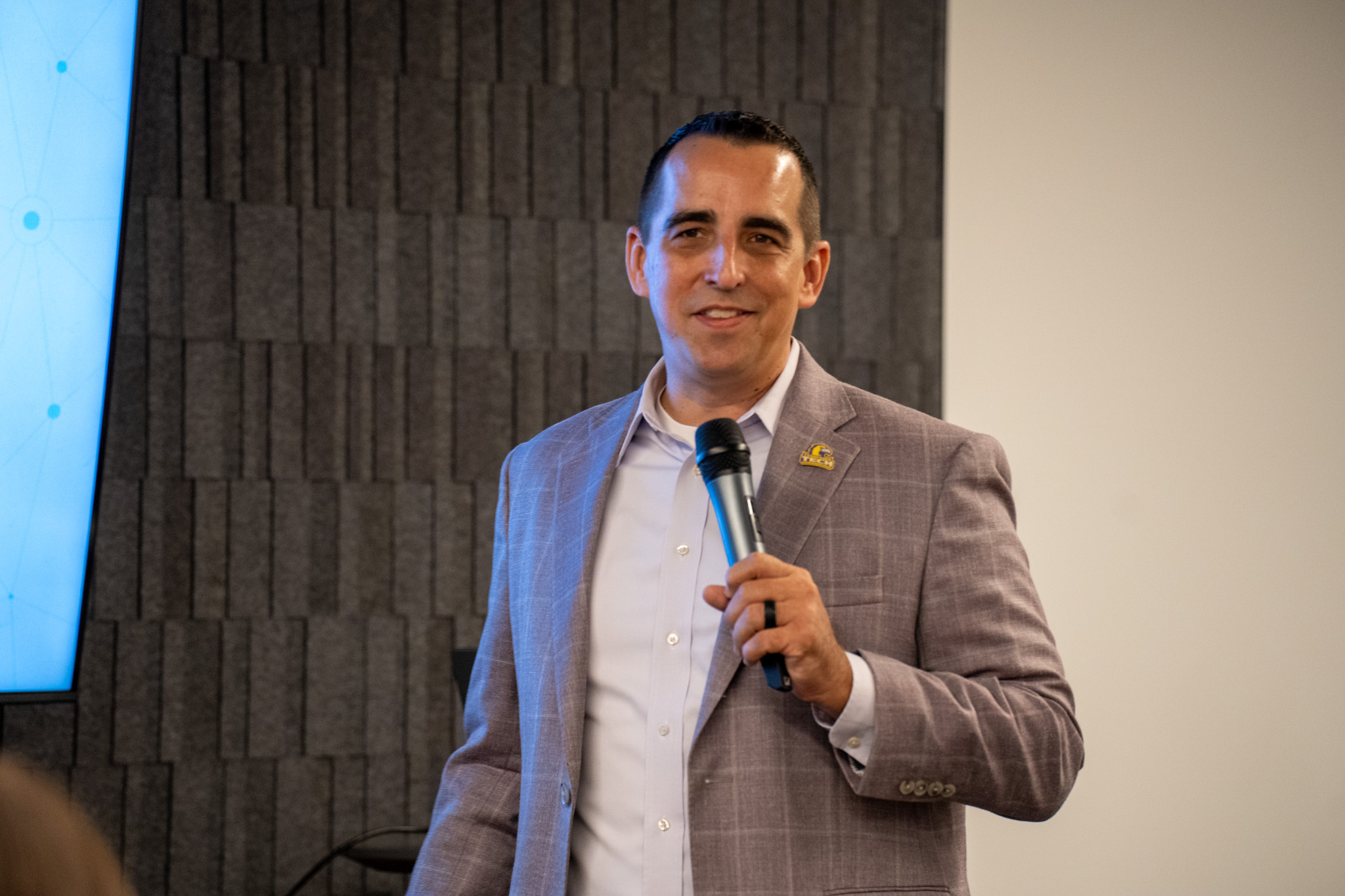
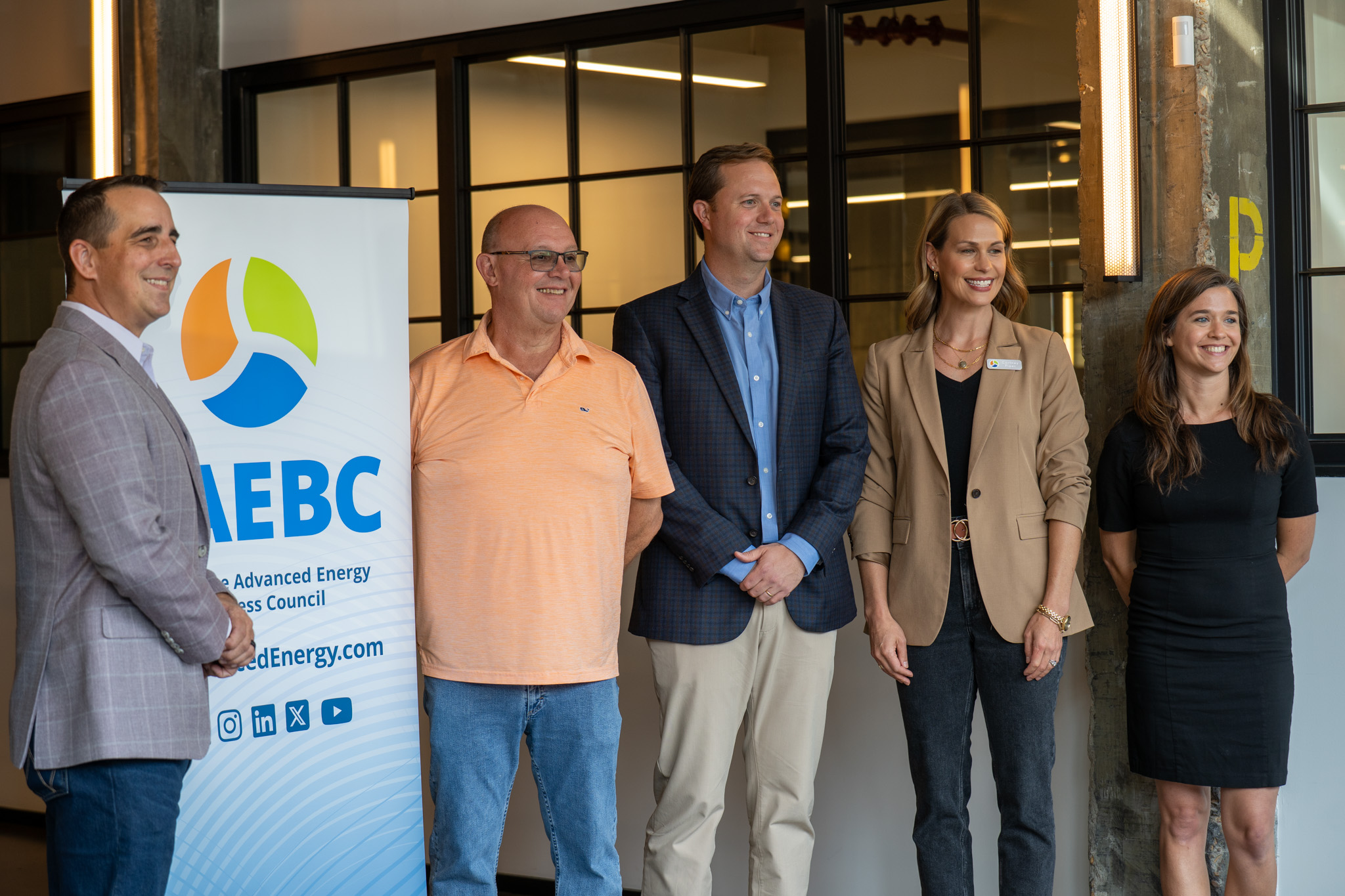
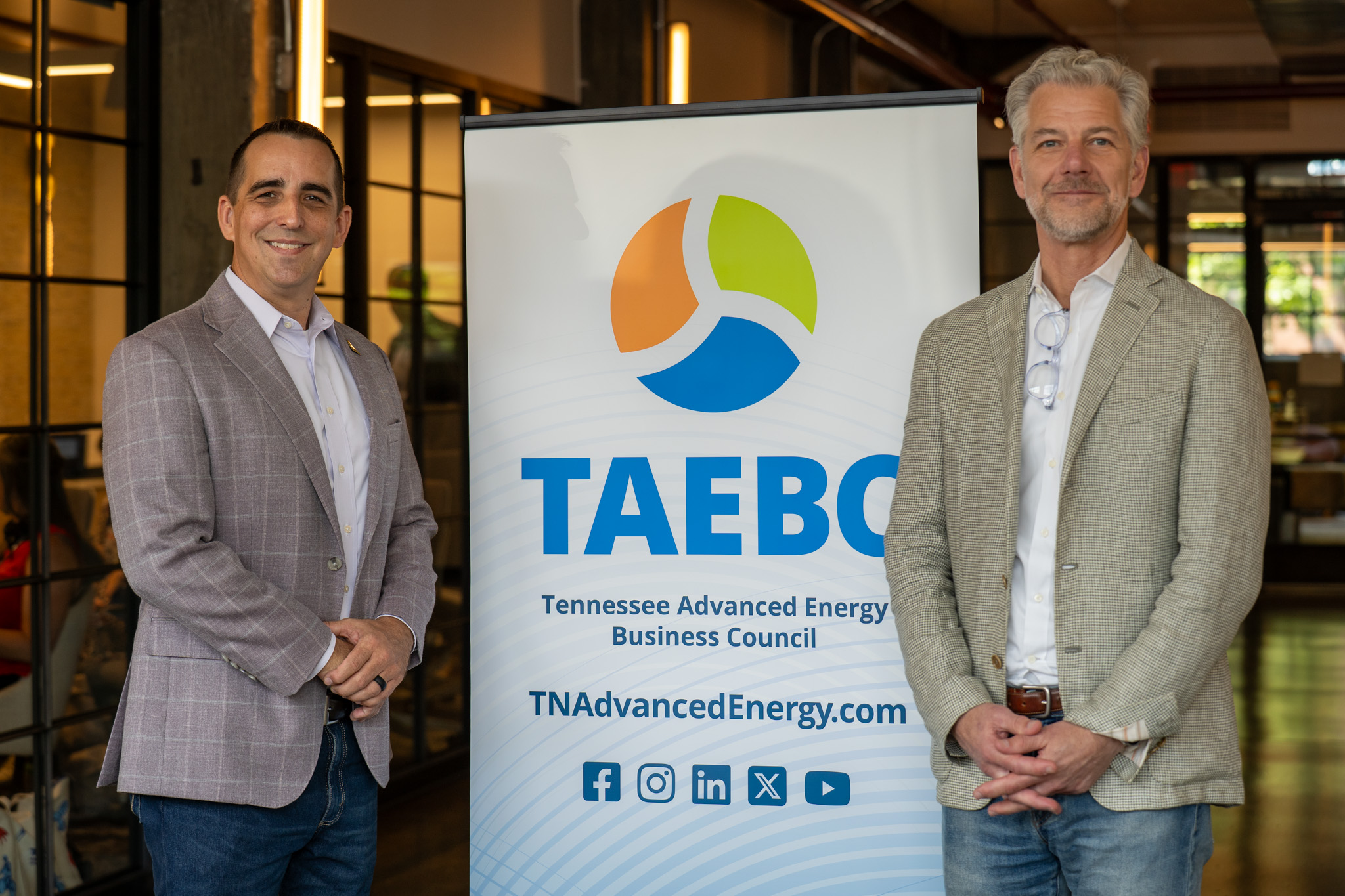
HILLTOP+ took center stage recently at a Launch Tennessee (LaunchTN) 3686 partner pop-up on grid innovation in Appalachia. The session was hosted by the Tennessee Advanced Energy Business Council (TAEBC), Tennessee Technological University (TTU), the Knoxville Entrepreneur Center (KEC) and The Biz Foundry.

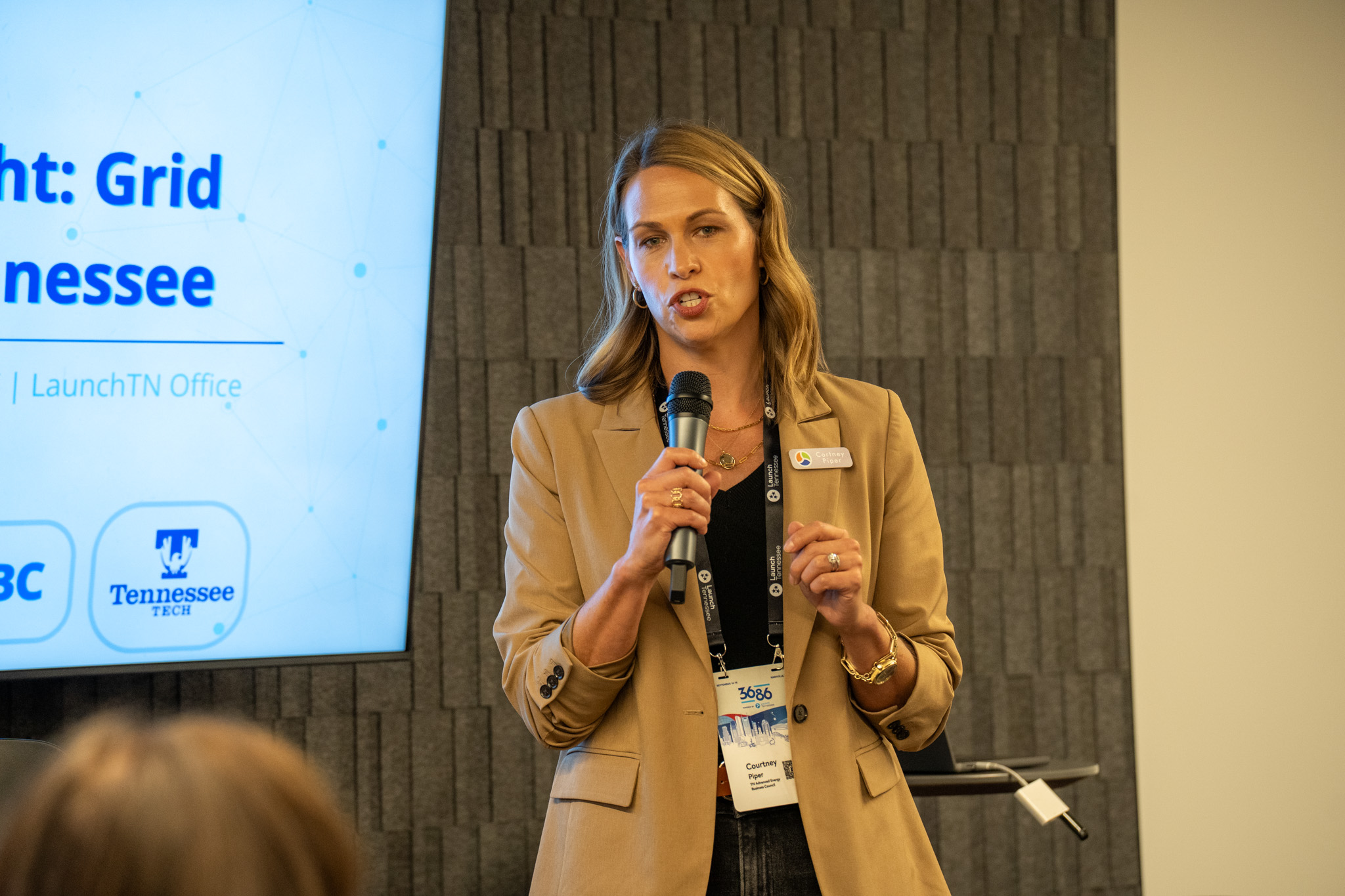
TAEBC’s Cortney Piper opened the panel and introduced moderator Lily Tench, Entrepreneur in Residence (EIR) at the Spark Innovation Center where she is involved with the energy and mobility networks. Panelists included:
- Executive Director of Tennessee Tech’s Center for Rural Innovation (TCRI), Michael Aikens.
- Miles Biggs, director of digital infrastructure development at Copia Power. Biggs previously led innovation partnerships at the Tennessee Valley Authority (TVA).
- VP of Research and Planning at DRG Tech Solutions, Mike Marshall. Marshall previously consulted in the power systems division at Oak Ridge National Laboratory (ORNL).
Why HILLTOP+
Bringing new technology onto the grid has long been a standoff. Utilities won’t adopt anything unproven, and startups can’t prove anything without a utility willing to take a chance. HILLTOP+ breaks that cycle by building a virtual copy of a utility’s grid where new technology can be tested risk-free.
For utilities, the stakes are high. A bad investment can drive up rates, and a grid failure can mean outages. In the platform’s first test case, a utility walked away from a $3.2 million battery purchase after reviewing the results.
Startups gain just as much. Instead of waiting years for a field deployment, founders can validate distributed energy resource (DER) controllers, energy storage and microgrid solutions in simulation. They get credible data for potential customers and a chance to fix weak claims early. Plus, Appalachian-based startups can use the platform’s modeling services for free which removes a major barrier for early-stage companies that often lack capital.
Though HILLTOP+ is a great step forward in encouraging grid innovation, panelists cautioned that selling to utilities still takes time. Founders need to stay patient, build to real utility needs rather than over-engineer and consider smaller local power companies as first customers. Nevertheless, these energy experts see huge opportunities in grid transparency, peak shaving, automation, resilience, aging infrastructure and data center demand.
Why Appalachia
That mix of opportunity, coupled with the talent in the region, is exactly where panelists believe Appalachia stands apart. Let’s break it down.
For starters, the region is home to the nation’s largest public utility, a strong national lab and a network of research institutions. Plus, there’s a plethora of smaller power companies that are often more willing to try something new and take that chance on startups.
But a main differentiator? The natural resources beneath Appalachia. HILLTOP+ lets utilities compare lithium batteries with iron and sodium alternatives, which can be made from materials mined in the area locally. It’s a naturally innovative way to diversify from foreign inputs, create regional jobs in non-lithium battery manufacturing and strengthen the local supply chain.
Thus far, HILLTOP+ has been funded by Appalachian Regional Commission (ARC) grants. But to sustain the work, Aikens looks to establish a nonprofit and expand the platform nationally.
To support or utilize the platform, email Michael Aikens.
Like what you've read?
Forward to a friend!