
DOE taps Standard Nuclear for nation’s first advanced nuclear fuel line pilot
The selection of the Oak Ridge-based company are conditional, though the exact conditions were not disclosed.
This year, President Donald Trump issued four executive orders (EOs) that directed the U.S. Department of Energy (DOE) to take a leading role in helping American Nuclear come to fruition at a more rapid pace. The President, DOE, and many in the energy space have dubbed it “the nuclear renaissance.”
There’s no doubt that East Tennessee is a central point in the discussion. Energy Secretary Chris Wright visited the Oak Ridge National Laboratory, the Tennessee Valley Authority, Y-12, and private nuclear companies in February.
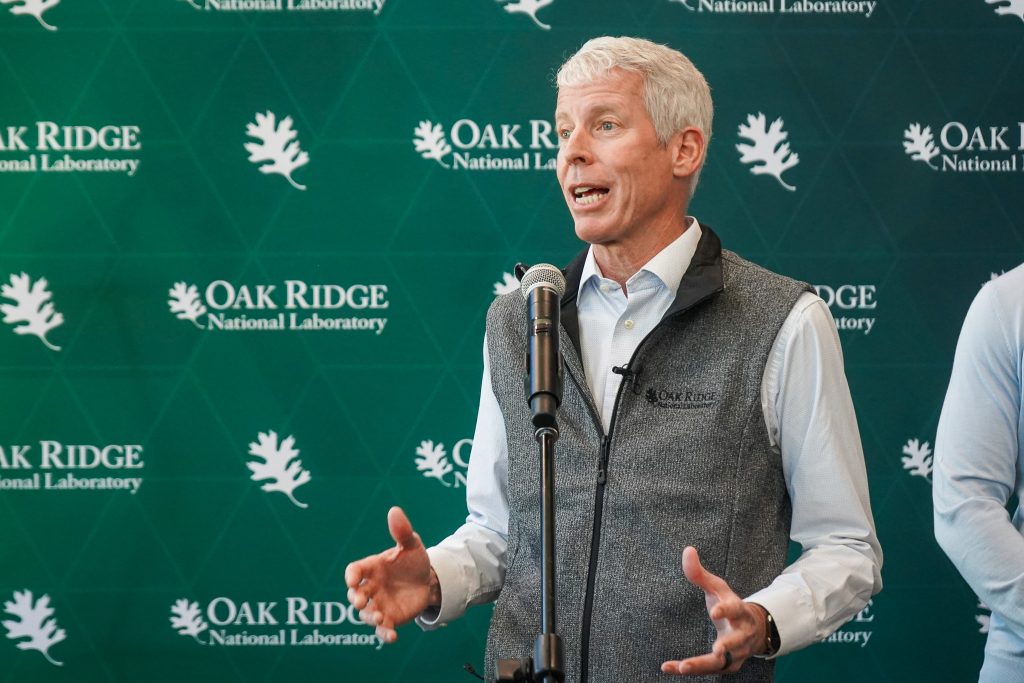
In the press conference (reported in Teknovation), Wright focused heavily on Oak Ridge as being a strong asset to the United States, thanks to its investment in nuclear science.
Fast forward to May 23, Executive Order 14301 was announced with the intent to reform and streamline national laboratory processes for reactor testing. It directed the DOE to start the “Reactor Pilot Program” to expedite the testing of advanced reactor designs. The north star of the executive order is to have “at least three advanced reactor designs achieve criticality by July 4, 2026.”
To help meet that goal, in June, the DOE established a pilot program for reactor construction and operation on sites located outside of the national laboratories.
On August 4, the DOE picked an Oak Ridge-based company called Standard Nuclear to be the very first participant in the new “fuel line pilot program”.
This program is about building up America’s ability to make advanced nuclear fuel, specifically for new, next-generation nuclear reactors inside the U.S., instead of relying on foreign suppliers. It is also intended to spark interest from private sector investment, spurring economic development.
As part of the selection, Standard Nuclear will build and run a facility (with locations in Tennessee and Idaho) that can produce this fuel, which is in high demand as companies and national labs test new reactor designs. The specific type of fuel they are creating is called “TRISO,” and it is a uranium fuel pellet coated in layers of carbon- and ceramic-based materials. The thing that makes TRISO fuel critical for nuclear is that it’s more resistant to melting.
The DOE is essentially partnering with them to speed up the process and strengthen the domestic nuclear supply chain.
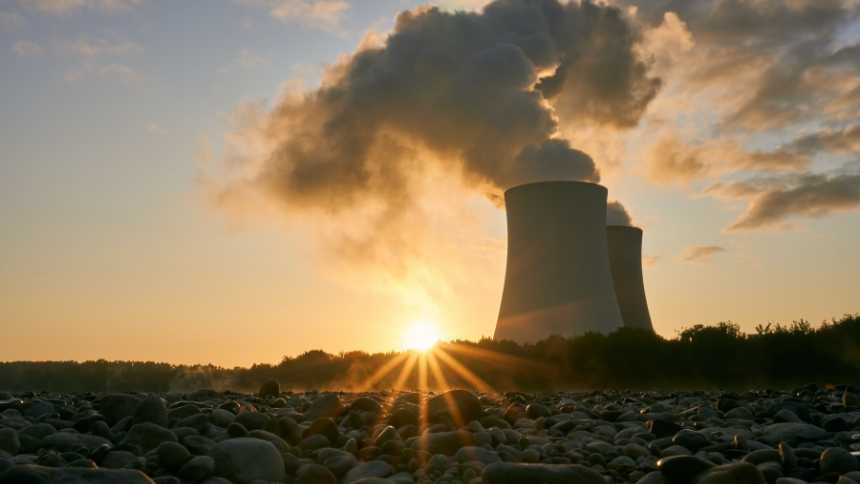
According to the news release, Standard Nuclear will be responsible for all costs associated with the construction operation and the decommissioning of the facility.
In June, Teknovation reported that Standard Nuclear had emerged from stealth mode after raising $42 million in total funding led by Decisive Point with participation from Andreessen Horowitz, Washington Harbour Partners, Welara, Fundomo, and Crucible Capital.
However, what we did not include is that the company was formed after a previously failed start-up was purchased in an auction for $28 million. The start-up, formerly known as Ultra Safe Nuclear Corporation (USNC), failed while also trying to commercialize TRISO fuel.
For its lifespan, USNC was a single-investor company that was slowly inching along, not bringing in any significant revenue. Then, its main investor passed away, TechCrunch reports.
So far, since Standard Nuclear bought the assets and onboarded many of the pre-existing employees from USNC, things have been looking up.
Upon emerging from stealth, Standard Nuclear announced $5 million in contracts in the first quarter of 2025. And also the signing of a major fuel offtake agreement for more than one Maximum Transmission Unit (MTU) of fuel with an additional 1.5 MTU in negotiation, representing more than $100 million in non-binding fuel sales for 2027.
Like what you've read?
Forward to a friend!