Whisper Aero flies its electric propulsion with a pilot aboard for the first time
Three flights over Crossville totaling more than two hours move the company's eQ250 propulsors from the test stand toward civil and defense aircraft.
Whisper Aero has flown its electric propulsion system with a pilot on board for the first time, moving the Crossville company’s quiet-fan technology from ground testing into piloted flight.
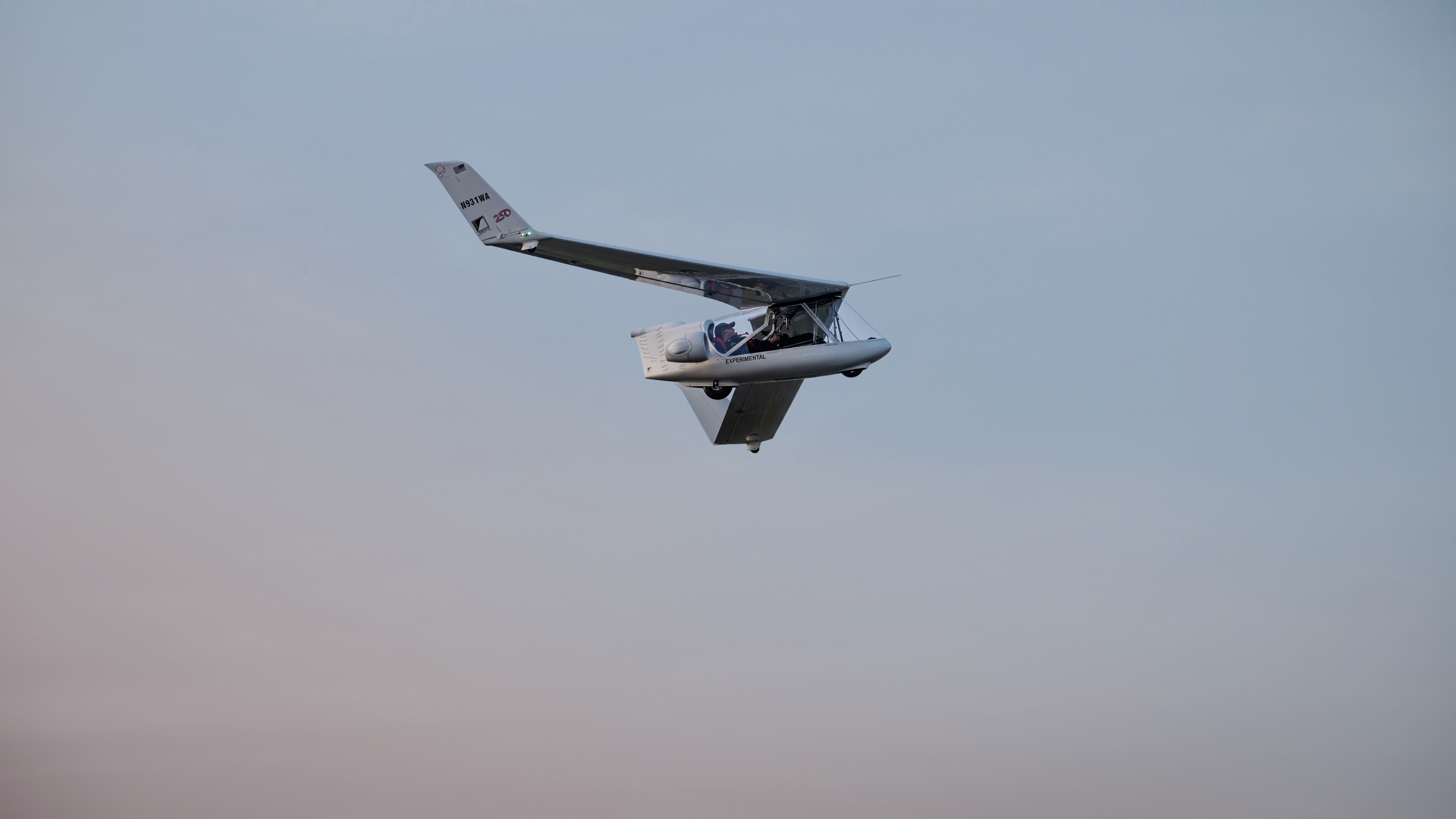
The company said test pilot Zac Majors flew the Whisper Powered Swift across three flights this week, logging more than 130 minutes in the air. The flights mark the first time Whisper’s eQ250 electric ducted fans have carried a pilot aloft.
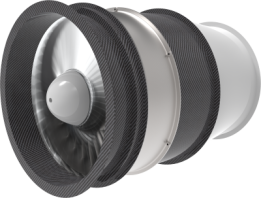
Q250
Whisper Aero was founded in 2020 by Mark Moore and Ian Villa, and has built its pitch around propulsion that is quieter and more efficient than conventional propellers. With that technology, they have released products ranging from aircraft to consumer leaf blowers.
The test aircraft, a modified Aériane Swift 3 glider, was powered by two eQ250 propulsors producing up to 85 pounds of static thrust each, drawing from five Electric Power Systems Epic 1.0 energy modules. Whisper and Electric Power Systems first started working together on propulsion-and-battery innovation in 2024.
“Whisper Swift was more thrust, quieter than the standard propeller version of the swift, but still great handling, could really do whatever I wanted with it,” said Majors. “Look forward to flying it again.”
Keeping the noise quiet is the whole point.
The company said the aircraft measured 52 A-weighted decibels at 100 feet against a 34-decibel ambient during early-morning flights, quieter than the 46-foot-wingspan aircraft itself. The same 52 dB(A) figure appeared in Whisper’s Tone T1 leaf blower launch in January.
Defense and what’s next
Whisper said the campaign reduces risk for defense aircraft that will use the eQ250, and that flying multiple propulsors on one platform points toward the distributed-propulsion concepts behind its Collaborative Logistics Aircraft (CLA) program, the family of autonomous cargo aircraft it unveiled in 2025 for contested military logistics.
The company plans to keep flight testing in Tennessee before moving to evaluation with government customers later this year.
Tennessee Tech faculty and students helped integrate the aircraft’s propulsors, batteries, and controllers, alongside engineers from Whisper and Flighthouse Engineering.