
Service, not just software: Equipment Locker rethinks factory maintenance management
John Nelson's startup pairs machine-specific software with hands-on implementation as manufacturing's veteran technicians retire.
Maintenance technicians in manufacturing are three times as likely to die by injury on the job as any other employee on the floor.
Why? The maintenance team puts itself at risk to reduce hazards for everyone in a facility. They are tasked with repairing equipment that has stopped working, under pressure to resume operations as quickly as possible. Their work is critical. Industry estimates put small- and mid-sized manufacturers’ downtime anywhere from $25,000 to over $150,000 per hour, depending on the operation.
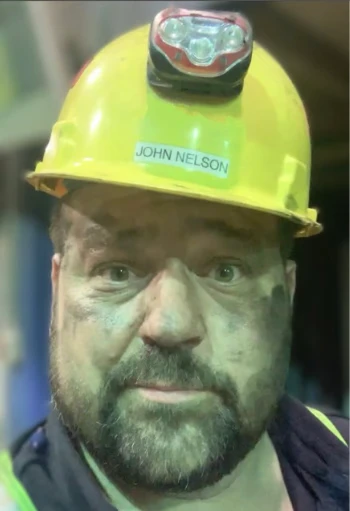
John Nelson has worked as an engineer and maintenance technician for decades. With that experience, he has helped restart manufacturing operations across a range of sectors, reducing plant downtime safely.
According to Cleaning and Maintenance Management (CMM), maintenance workers have one of the highest fatality rates of any occupation in the U.S., with a fatal injury rate of 13 per 100,000 workers, nearly four times the national average of 3.4 per 100,000.
The workforce doing that dangerous work is also about to turn over. The 30-year veterans are starting to retire, and a new wave of technicians is entering the field. At the same time, the U.S. is pushing toward more manufacturing automation, which brings more advanced equipment and, Nelson says, potentially more room for dangerous situations.
“These folks need to be trained quickly, but effectively,” Nelson said. “I have experienced the trauma and loss that my peers lived after witnessing a fatality. I have personally witnessed several severe injuries that were near misses of a fatality.”
A safe solution for the changing workforce
For years, Nelson relied on old manuals and conversations with the original equipment manufacturers (OEMs) to solve problems with heavy machinery in factories. This equipment often comes with moving parts, high temperatures, and complicated electrical systems.
“Some of the manufacturing equipment we’re working with has 10 pumps, 150 different sensors, thousands of wires, a computer on a network talking to 100 other pieces of equipment within a plant,” Nelson explained. “They are extremely, extremely complicated.”
Plus, a lot of equipment is custom-created and configured to the specific operation a factory needs.
So how does one streamline training, safety, and compliance when the equipment is always different, and always changing?
Nelson’s sees the fix to this issue as isolating the data for each piece of equipment and making the maintenance solutions as custom-tailored as the machines themselves. Instead of a file folder stuffed with hundreds of outdated manuals, he believes software could work directly with the OEMs to capture each machine’s configuration, programming, and troubleshooting tips.
So, Nelson went out and built the solution he was looking for. That software, now a company, is called Equipment Locker.
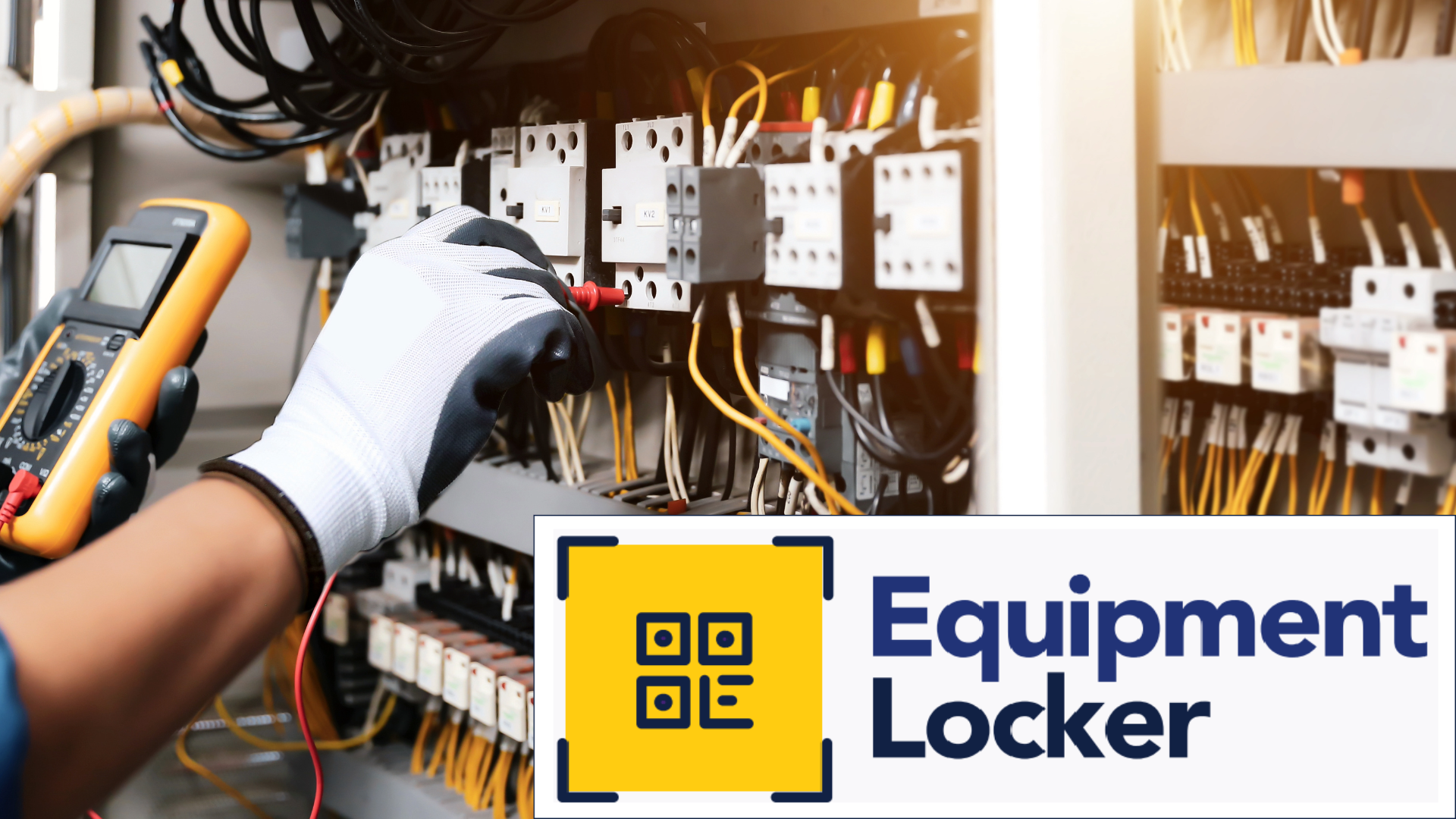
Equipment Locker helps maintenance technicians know their equipment better. Instead of guessing with a generic manual, teams get a clearer picture of a machine’s theory of operation, construction, and specific configuration.
It ties together existing systems to allow access to all documentation plants already have, but in one central location where techs can find it. Additionally, Nelson said the software has training and procedure development capabilities that are tailored to the machine’s configuration.

Getting Equipment Locker onto factory floors
Nelson imagines Equipment Locker operating as a mobile app, customized to the user’s role, so a technician can select the machine they’re working on. From there, the platform helps maintenance teams access manuals, videos, and procedures, supported by implementation services and machine-specific training.
Nelson sees the platform as especially useful for workforce development and training.
“We have a new workforce coming in that we have to get up to speed much quicker,” Nelson said. “We really need to focus because there’s a lack of these workers, but also a lack of support for these workers. Equipment Locker can help them go home the way they came in.”
Some OEMs have their own support platforms, and Nelson acknowledges that. But not all factory equipment comes from the same OEM. He aims to bridge that gap, making technical guidance for all machinery available in one place.
Nelson officially completed the minimum viable product (MVP) for the software in February 2026 and is now participating in the Knoxville Entrepreneur Center’s WORKS Accelerator to help get the software into the hands of the facilities that could benefit from it.
The service behind the software
Beyond consolidating safety procedures, drawings, schematics, control programs, operational procedures, trainings, and “everything that is needed at the point of work” in one place, Nelson sees Equipment Locker’s main differentiator as the people behind the product.
For each new customer, he plans an implementation phase in which he and his team gather as much information as possible from OEMs about the equipment in a given plant.
“There are so many people like me who have been in this industry for 30+ years and are feeling burnt out from being on call 24/7,” Nelson said. “This could be the next leg of their career, helping me implement this software and service with manufacturing facilities.”
Rather than selling Equipment Locker as software-as-a-service (SaaS), Nelson wants it seen as a service first.
“I think we will really help give maintenance teams clarity so they can be safer and faster at what they do,” Nelson said. “It’s a service, not just software.”
Learn more about Equipment Locker.
Like what you've read?
Forward to a friend!