

How a BYU side hustle became a multimillion-dollar startup growing in Chattanooga
Three lifelong friends turned an errand-running app into a high-growth refrigerated delivery solution, now backed by Brickyard.

Claire Larsen is a go-getter. From a short conversation, her passion radiates for three things: pioneering as a female entrepreneur, changing the logistics industry, and serving her customers well.
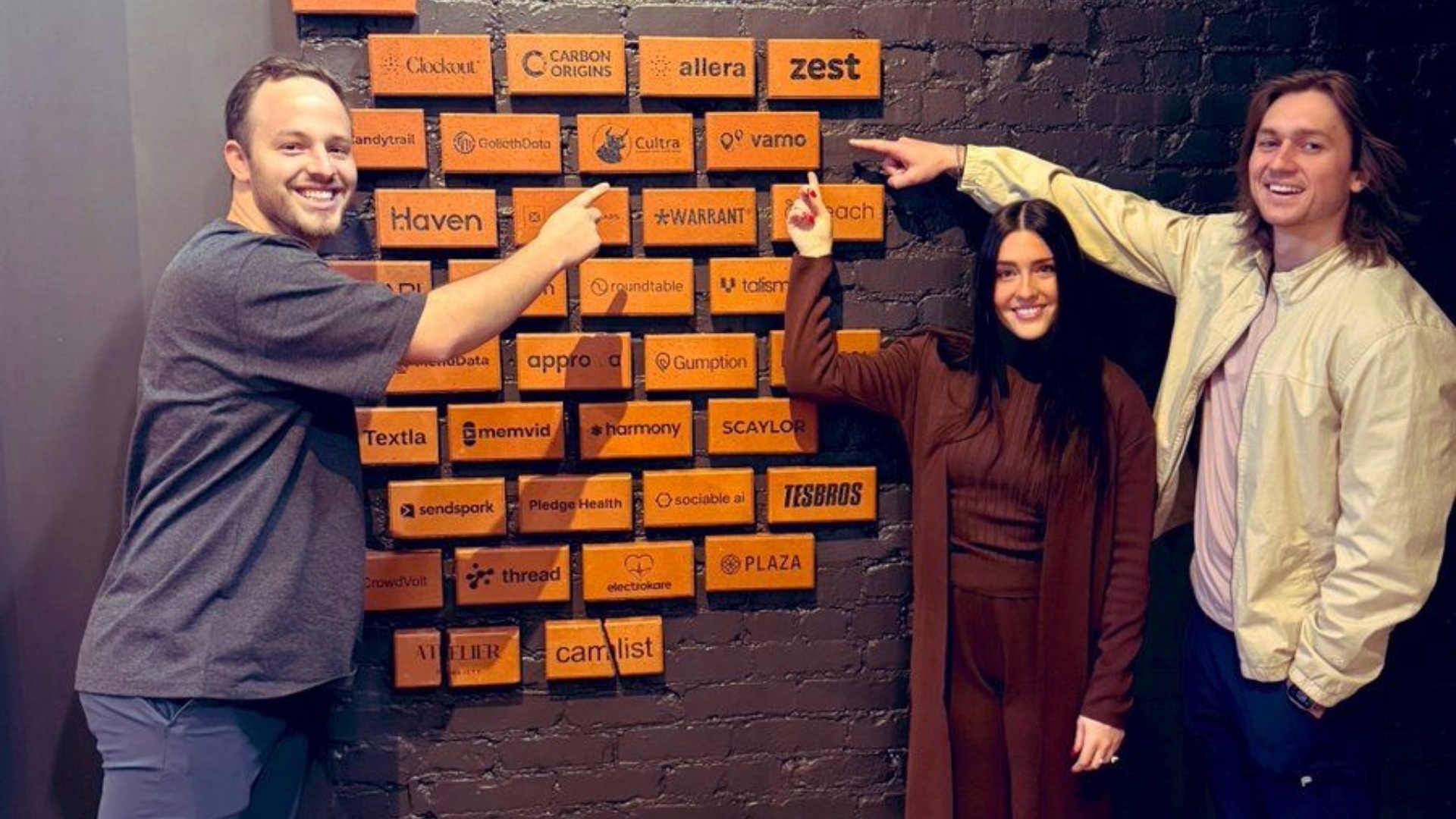
Claire started Vamo with two co-founders: her husband, Kason Larsen (CRO), and Scott Young (CTO). They have been close friends since grade school, but didn’t go into business together until their final year of college at Brigham Young University (BYU).
Through Vamo, they are changing how cold chain logistics operate in the final mile.
The roots of Vamo
Claire, Kason, and Scott all grew up in the Salt Lake City, Utah area. Claire had a lifetime passion to become an entrepreneur; she was just patiently waiting for the right idea.
“In high school, I got super into that podcast, How I Built This, and listened to it through high school and college. For me, becoming an entrepreneur wasn’t a matter of if, it was a matter of when,” she said.
So, in her senior year at BYU, she, Kason, and Scott put together the first rendition of Vamo. It was originally a business-to-consumer (B2C) errand-running service for big families that had limited time. Errand runners could go shopping for groceries, drop off donations at Goodwill, or do any other odd job from point A to point B.
Vamo’s real breakthrough moment came when a Utah-based meal kit company approached their team, asking for access to their database of drivers and chore-runners to deliver meal-preps to doors.
It opened the doors to an industry-wide frustration for a lack of options in last-mile “cold chain” logistics.
For those unfamiliar with the complications in cold-chain logistics, we are going to break it down:
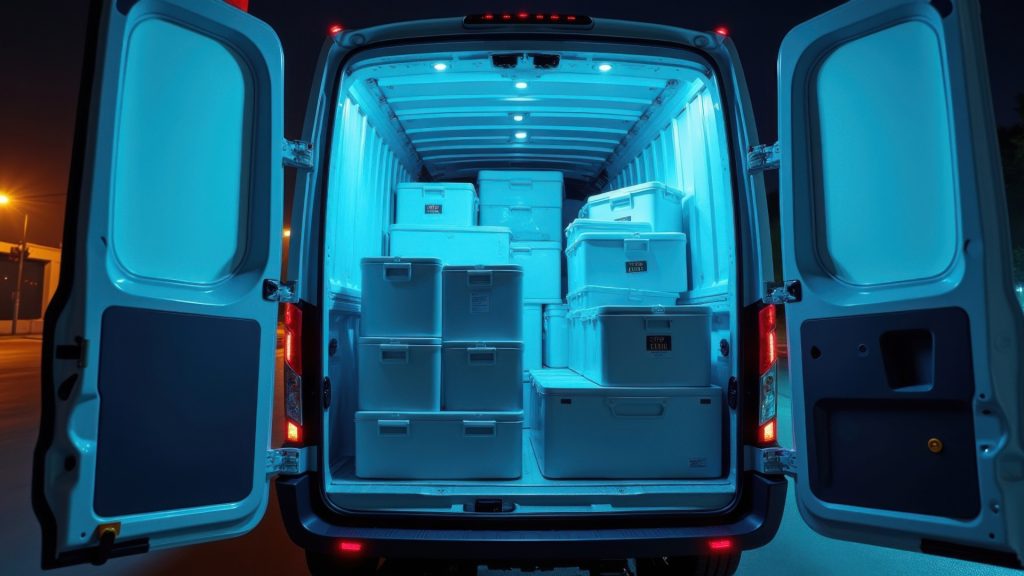
Items that require ice during transport have a difficult ride. Refrigerator trucks (reefers) may bring items across the country. But, for delivery-based meal prep companies, medications, and trending farm-to-table subscription boxes, how do these items get to someone’s front door without spoiling?
There are two primary conventional solutions for these business owners: Buy a fleet of refrigerated vans– taking on liability, maintenance costs, employing drivers, and spending time optimizing delivery routes. Or, leverage the services of local legacy mailing systems like FedEx or UPS.
“These legacy providers are probably the worst option for cold chain because you need a package with 24-to-48 hours worth of ice packs to stay cold. These extra packaging components can more than double transit costs, making it really expensive, really quickly,” Claire said.
It became obvious to the Vamo team that this last-mile cold-chain hiccup was the problem they were meant to solve. They pivoted to build a customizable logistics and routing software solution.
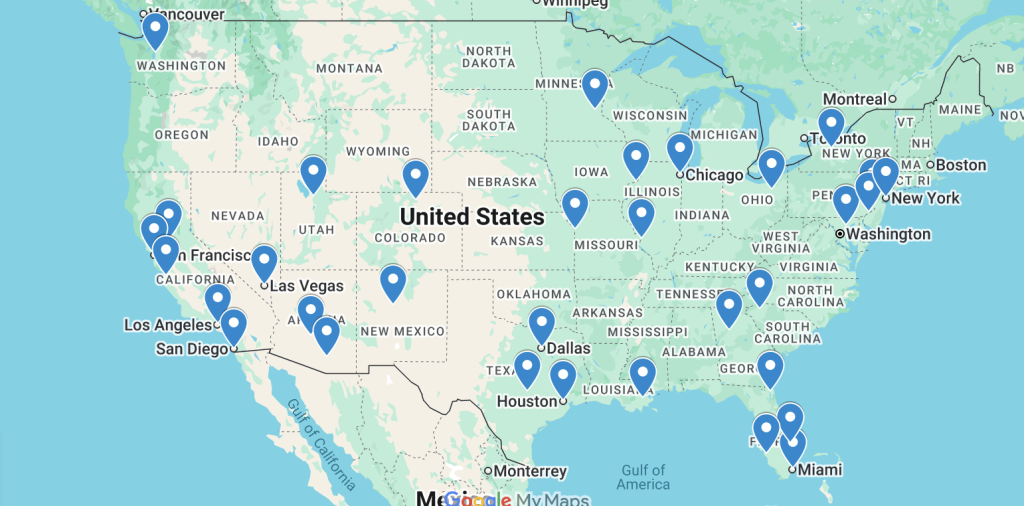
And, the pivot was the right move. Right before they formally switched, Claire said the company was doing about $50,000 in annual recurring revenue, but in their first year with the new, niche cold-chain customer base, her team did approximately $2.5 million in revenue, with a growing customer base across the United States.
How does Vamo change the legacy system?
DoorDash drivers may have a $13 sandwhich in their car at any given moment. They pick it up from the restaurant, drive across town, and drop it on someone’s doorstep.
Vamo operates differently. Vamo drivers pick up in bulk–10 to 25 orders in their car at any given time. And they deliver those items along a route that’s recurring – every day, week, or month.
Comparitively Vamo routes are secure recurring work in the gig-driver economy.
“We work with a lot of meal kit companies– Hello Fresh style businesses, a lot of farmers are moving to a farm-to-table model with subscription boxes – like subscription meat and produce. Pharma has also become a big vertical for us; GLP-1 and other weight-loss medications have to stay refrigerated. And we can deliver them,” Claire said.
Claire said building out their database of drivers has been easier than expected. The gig driver economy already exists. Thousands of people already depend on B2C driving for their livelihood, but many of those drivers would prefer some sort of stability and predictability in their routes.
“Our software adheres to very hyper-specific and strict delivery windows that are set by the business. For example, some products can only be on the road for 3-4 hours without spoiling,” Claire explained. “By sticking to those delivery windows, we can eliminate the need for super expensive, specific ice packaging.”
Like a Door Dash or Uber Eats, anyone with a valid drivers lisence, clean background, and clean driving record can sign up to be a driver. But with Vamo, drivers must undergo a more hands-on training process.
“This is not just a $10 hamburger, right? They could have hundreds, if not thousands, of dollars worth of merchandise in their vehicle,” Claire said. “So, our workforce needs to be thoroughly vetted.”
But, once those drivers are onboarded, Claire said they tend to stay. Drivers get plugged in with a business, run regular routes, and get paid more than they would for the same amount of hours driving for restaurant delivery. Claire said that the payout is about $10 to $15 more per hour, which is a big selling point.
Relocating from Utah to Tennessee
Claire and her team at Vamo pitched at a virtual event in Chicago, and Matt Patterson and Cam Doody, the founders of Brickyard and Bellhop, happened to be on the call. They reached out to Claire to explain the Brickyard model, the funding structure, and how portfolio companies grow together in a founder space in Chattanooga.
The funding, of course, was a selling point for Vamo. But, Claire said, the real benefit of becoming a Brickyard portfolio company has been tapping into the brains behind Bellhop. Vamo became the 51st company in Brickyard’s portfolio.
“Very different sectors, but similar on the supply side. As we scale, we want to maintain workforce quality for our 1099 employees. Matt and Cam did that with Bellhop, and are helping us with that now,” she said.
Recently, Vamo closed a $2 million round; however, Claire said they have decided to reopen their raise for an additional $1 million. She said the funding will help their team continue optimizing their software, building a customer base, and training up the workforce.
You can learn more about Vamo here.
Like what you've read?
Forward to a friend!