

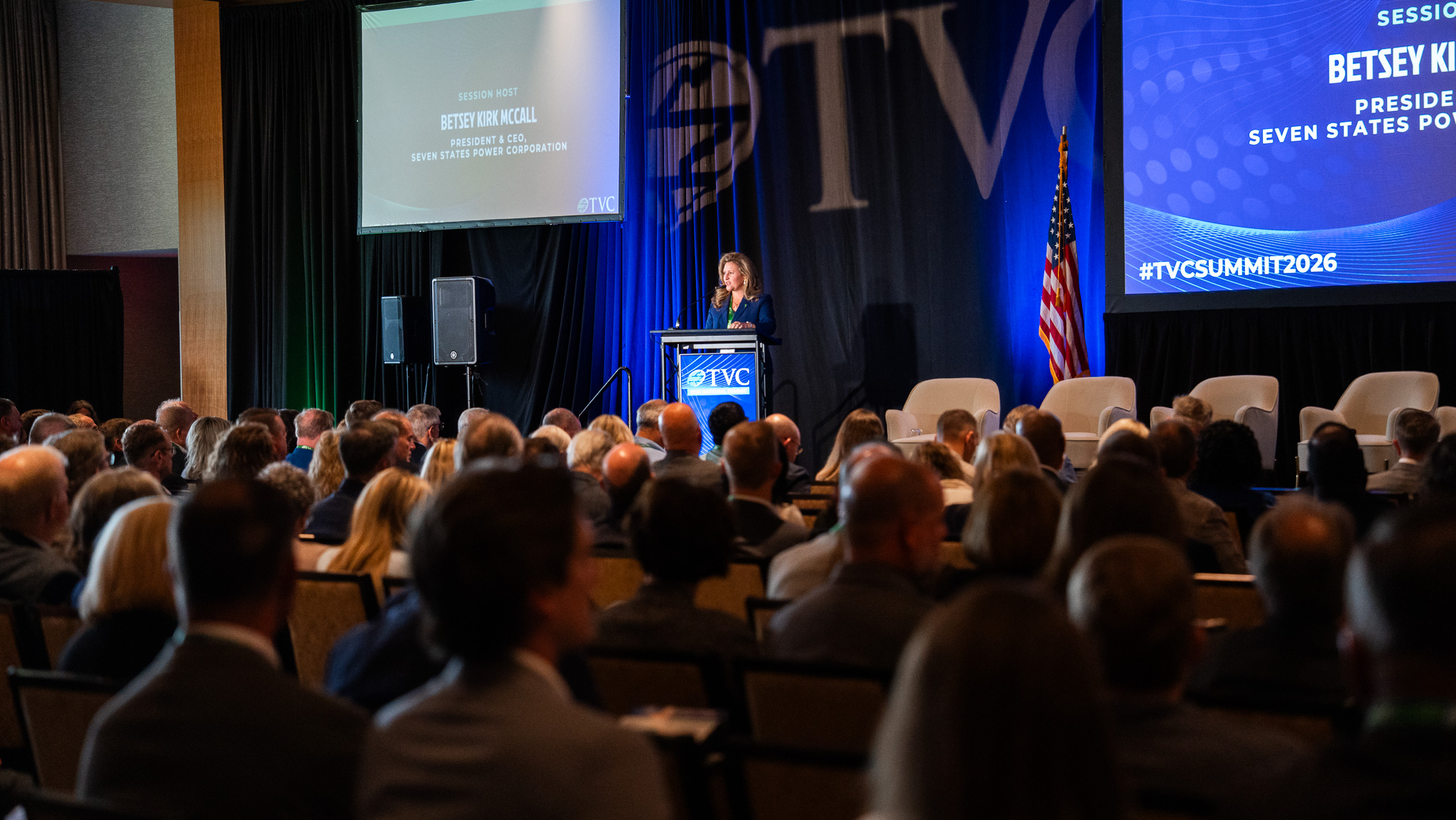
Nuclear in Oak Ridge, quantum in Chattanooga: Tennessee’s two-front pitch at the TVC Summit
The Tennessee Valley Corridor was organized in 1995 with a vision to link the “Oak Ridge Corridor” to the Department of Energy, Tennessee Valley Authority and the University of Tennessee to showcase the wealth of brainpower in the mid-East Tennessee region.
For a conference that attracts representatives from a footprint of 13 congressional districts in Tennessee, Alabama, Kentucky, Virginia, and North Carolina, the 2026 Tennessee Valley Corridor (TVC) Summit focused largely on two arenas where Tennessee is becoming a heavy hitter: advanced energy, anchored by nuclear work in Oak Ridge, and advanced computing, anchored by quantum work in Chattanooga.
A sit-down with the U.S. Deputy Secretary of Energy
To lead the conversation around Tennessee’s role in the national energy strategy, U.S. Deputy Secretary of Energy James P. Danly attended the conference’s first day.
We sat down with the Deputy Secretary to learn how the Department of Energy (DOE) is executing its Genesis Mission, and how Oak Ridge is playing a core role in it. He was effusive about Tennessee, ORNL, and the public support for DOE’s missions in East Tennessee, and his comments bore that out.
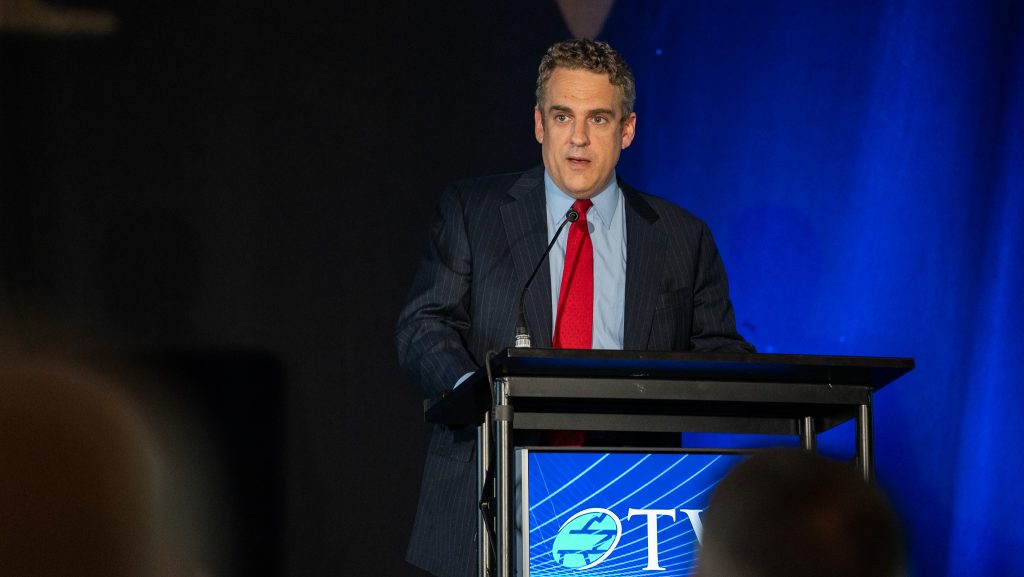
“Oak Ridge National Laboratory is one of the jewels of the national lab system. It has some of the fastest computing power in the DOE footprint, it has an extraordinary wealth of human capital, physicists, and engineers, and it also has an extremely appreciative population who loves Oak Ridge and is proud of the legacy for the United States,” Danly said.
The Genesis Mission was first announced in November 2025 at the Tennessee Advanced Energy Business Council (TAEBC) Opportunities in Energy event by the DOE Chief of Staff, Carl Coe. It was presented as a plan to connect and leverage the assets of all 17 U.S. National Labs to build one unified scientific platform for accelerated discovery. The mission, as detailed by the DOE, also aims to connect academia and private industry to help meet that strategic vision.
“We’re trying to include as many people as possible, so that we can achieve our goals as quickly as we can,” Danly said.
It’s only been a few months since the rollout of that national objective; however, Danly said early data and collaborations have given him hope for the ambitious project. To build a unified platform, the DOE will need new data centers, more nuclear power and advanced energy to power them, and a more robust onshore supply chain.
Tennessee is focused on the nuclear pipeline
“We have been trying not just to get prototypes like small modular reactors (SMRs) to market, but also ensure that the entire ecosystem, from fuel fabrication and processing all the way to ultimate disposition, is made available. It requires different steps in the supply chain, all of which we’re trying to support simultaneously,” he explained. “We can’t do this without private enterprise and academia being part of it.”
Academia on the research side, yes. But also on the talent and workforce pipeline side of the equation. The DOE is trusting that universities can produce viable candidates to fill the highly technical roles of the future.
At the TVC Summit, Randy Boyd, president of the University of Tennessee System, participated in a workforce panel alongside university leaders from Oak Ridge Associated Universities, Chattanooga State Community College, The University of Alabama in Huntsville, Vanderbilt University, and Tennessee Tech University to discuss how nuclear workforce development is a shared, multi-state priority.
And on the private sector side, the TVC hosted a panel conversation with representatives from BWXT, TRISO-X, and Bechtel, all companies that are building the nuclear technologies of the future.
Quantum Conversations
Another field whose capabilities aren’t fully realized is quantum computing. Chattanooga has leaned into its emerging identity as a quantum hub through organizations like the Chattanooga Quantum Collaborative (CQC), led by Charlie Brock.
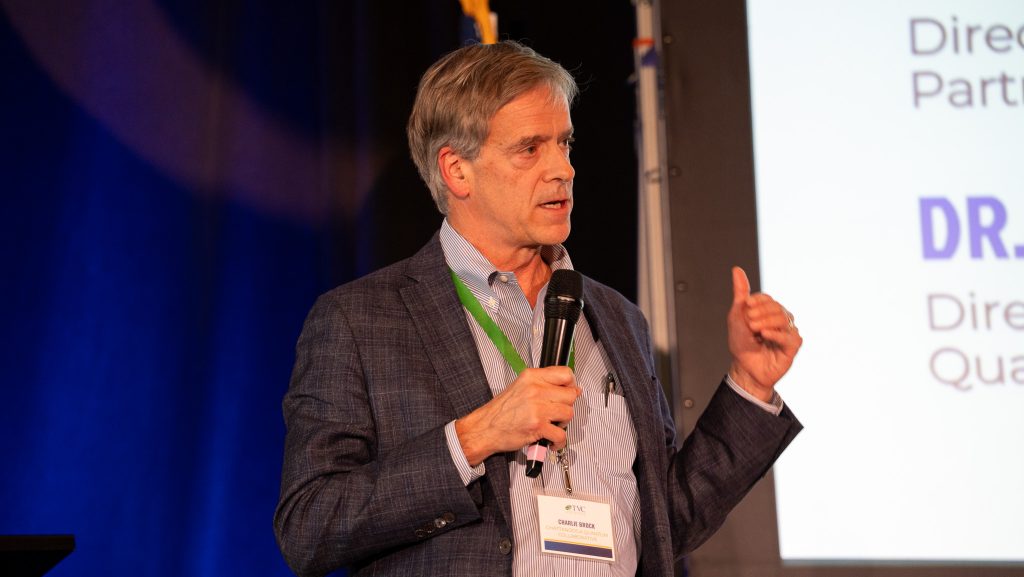
Between the work at the University of Tennessee at Chattanooga‘s Quantum Center and the quantum network run by EPB, Chattanooga’s municipal utility, which the company bills as the first industry-led, commercially available quantum network in the U.S., the summit framed quantum as another field where the Southeast, and Tennessee specifically, can compete.
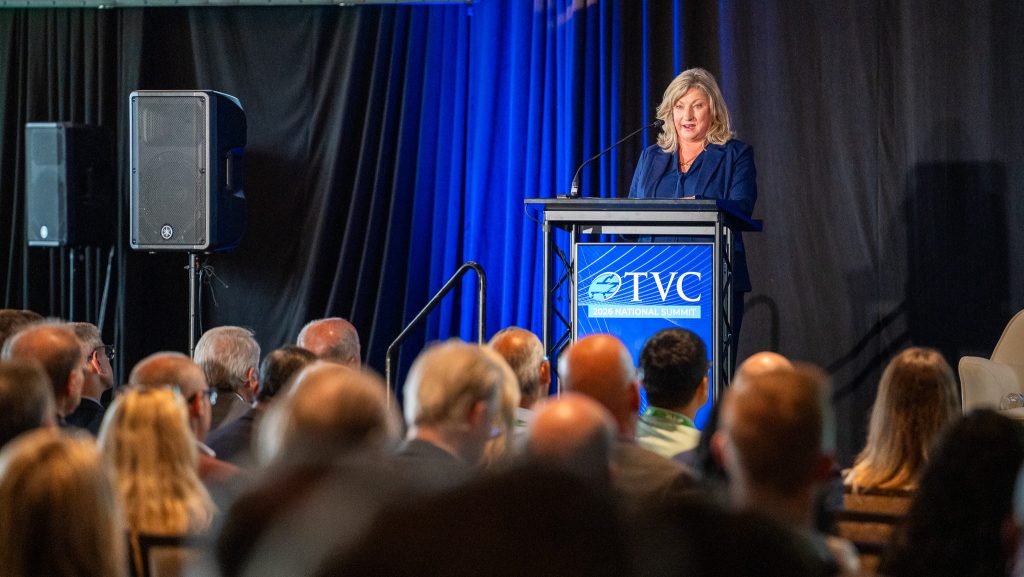
In addition to nuclear and quantum, the summit also featured conversations about national security and space.
The TVC, founded in 1995 and headquartered in Knoxville, positions itself as a coalition linking the Tennessee Valley’s federal laboratories, universities, utilities, and the private sector. Its summit has become one of the more substantive gatherings for anyone tracking the intersection of federal R&D investment, energy policy, and regional economic development in the South.
Like what you've read?
Forward to a friend!