
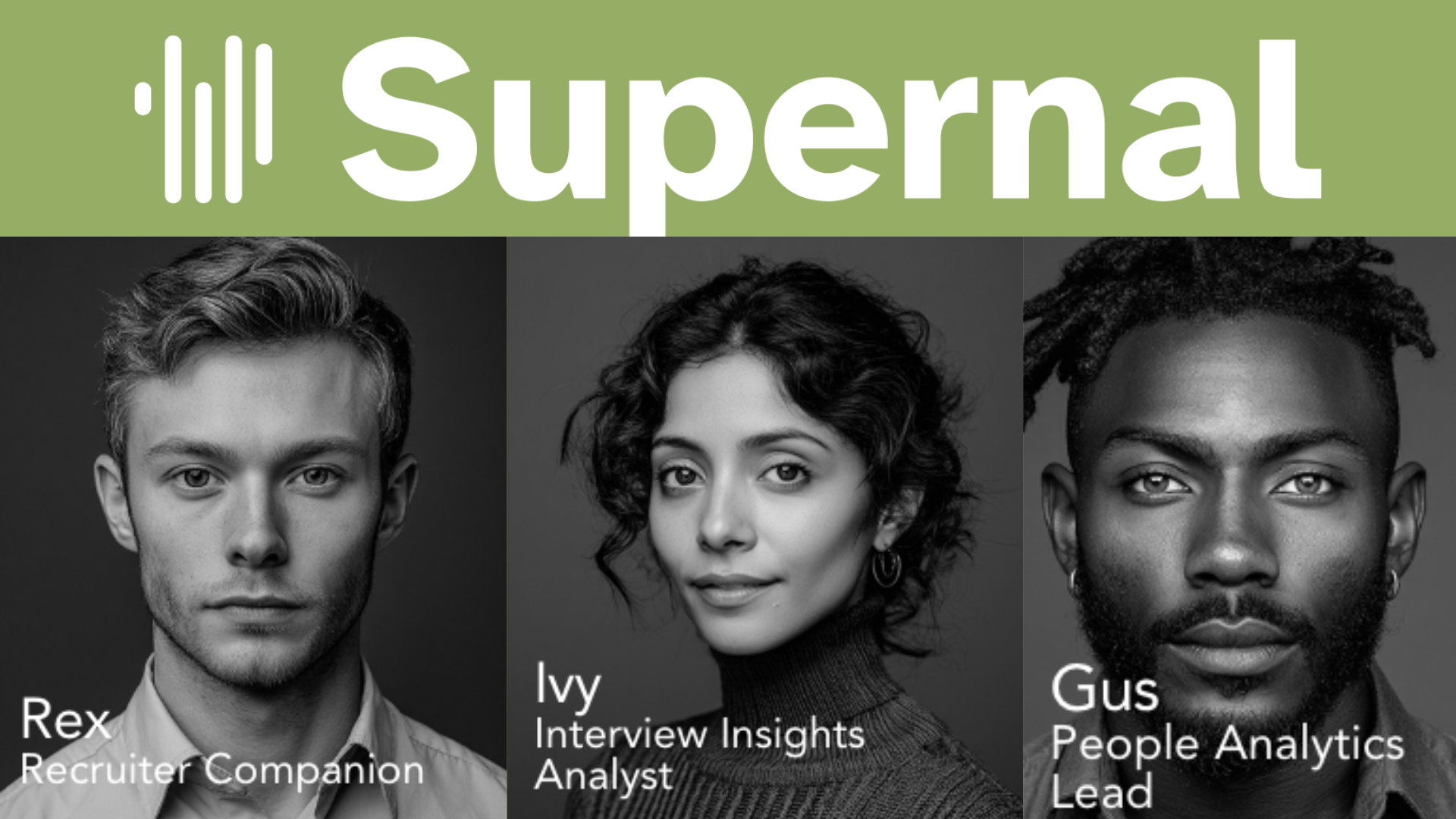
Supernal AI helps businesses scale with AI employees
The Supernal AI employees are trained to understand the operational context of each business, execute repeatable tasks, and support their human teammates around the clock.
For the past decade, Scott Downes has called Chattanooga home, though the ripple effects of his work have spread far and wide. Drawn originally to the city by Bellhop, one of its most visible startup successes of the 2010s, Downes spent three years as the company’s chief technology officer (CTO). There, he helped modernize the platform and scale its engineering systems during a period of rapid growth.
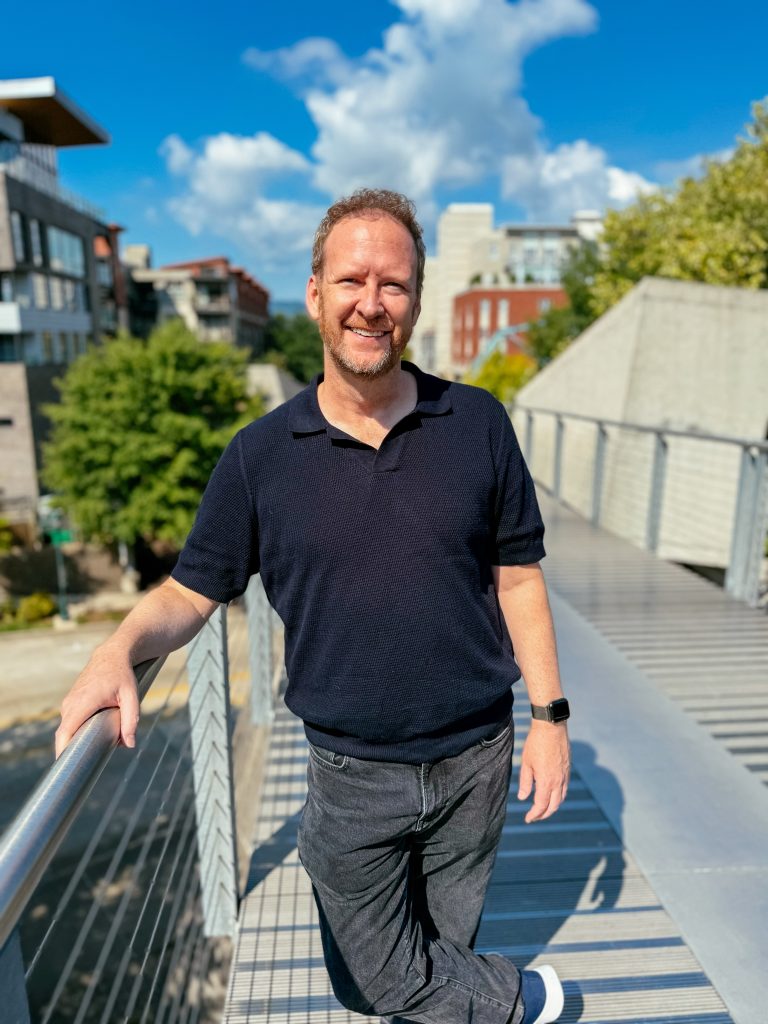
Downes isn’t shy about calling himself “a storyteller and a math and science nerd.” It’s a combination that has informed his approach to building technology companies.
He said he is just as comfortable designing user experiences as he is writing code, which helps him bring a multidisciplinary mindset to his ventures.
After leaving Bellhop in 2019, Downes joined Invisible Technologies, an AI-powered operations platform used by enterprise-scale organizations. As CTO there, he spent six years building systems that combined human talent with algorithmic efficiency.
A New Kind of Employee
So what exactly does Supernal AI do?
“We know every organization, large or small, faces growing competitive pressure and staffing constraints. That’s why we build custom AI employees tailored specifically for our clients, giving them the expertise they need,” Downes said.
The AI employees are trained to understand the operational context of each business, execute repeatable tasks, and support their human teammates around the clock. The AI employee is given a phone number, email address, Slack handle, and chat window so they can fit into the business more naturally.
“You pay less than you would for an employee,” Downes explained. “And the AI individual can work 24 hours a day, seven days a week.”
The company’s initial focus is on industries where time-intensive administrative work, compliance-heavy processes, and personalized client service often stretch lean teams thin.
Easing the Transition to AI
Downes recognized that some small and mid-sized businesses feel a bit uneasy about adopting AI. He also noted that a common yet problematic approach for organizations is to dive straight into evaluating AI platforms before addressing the human elements of adoption.
In reality, Downes said successful AI implementations start with the people behind them.
“AI should enable professionals to spend more time negotiating deals, cultivating relationships, and making complex decisions,” Downes said. “Teams don’t need to become AI experts. Instead, they need confidence and comfort with AI-assisted workflows. AI understands context and intent, so there’s no longer a need to speak robot to robots.”
Downes said Supernal AI helps build that confidence through four foundational skills:
- AI literacy: Understanding what AI can and cannot do, and when to use it.
- Data literacy: Recognizing how data flows through systems, how to protect it, and how quality impacts outputs.
- Context engineering: Structuring prompts and inputs to guide generative AI toward relevant, accurate results.
- Critical thinking: Evaluating AI outputs to refine workflows and apply human judgment where needed.
Scaling Through Smart Automation
Downes said Supernal AI is on a growth trajectory, which he believes reflects rising demand for AI employees.
The founder aims to expand the Supernal AI client roster to at least 500 organizations within the next few years. On average, each integration includes two AI employees per client.
“An AI employee can streamline operational bottlenecks, expand work capacity without increasing human headcount, and help smaller teams compete with larger, human resource-heavy firms,” he said.
Downes and his team want to empower smaller organizations to scale and compete with larger businesses using the teams they already have.
Like what you've read?
Forward to a friend!