


Can Tennessee spark a new generation of angel and venture capital investors?
Investors across the state say education, diversification, and visible wins could unlock a new wave of startup capital.
There has long been a perceived shortage of capital investments in Tennessee startups. New investor dollars appear tough to come by, especially in communities outside of the Nashville hub.
Through our reporting with Teknovation, these frustrations come up with founders time and time again.
So, to answer the question of why, we asked Tennessee-based investors what they believe could be the key to engaging a new wave of investors in the state. But to understand the lack of capital, it’s important to understand what being an angel investor entails.
Who is a good fit for angel investing? And, what does it entail?
Jay Shaffer, an angel investor with Atlanta Tech Angels and Venture South, broke it down.
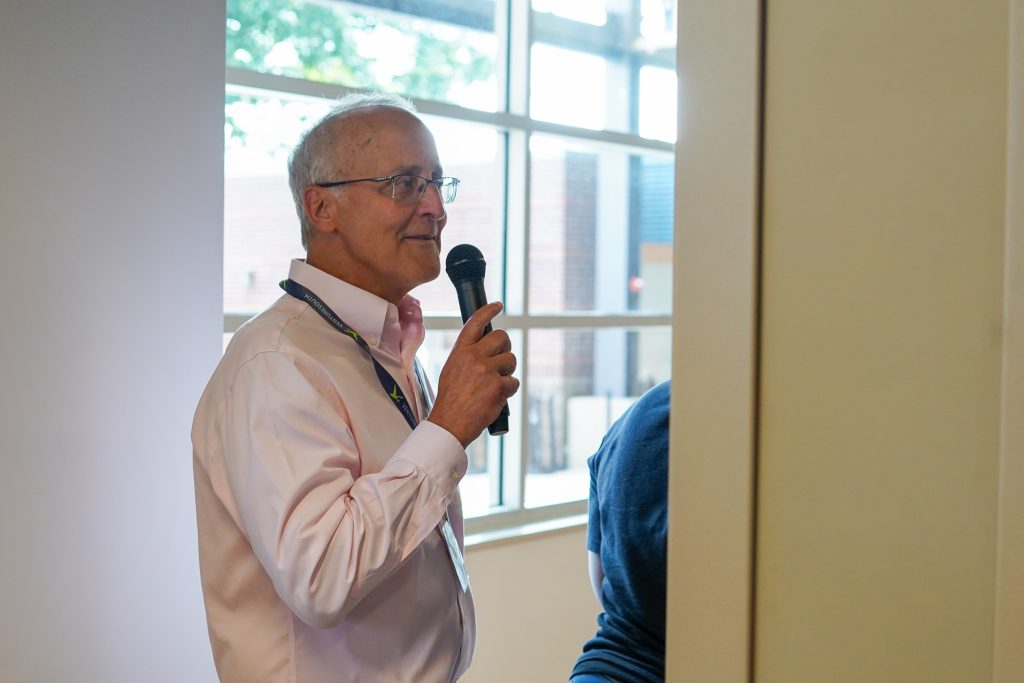
“If you’re interested in angel investing, the minimum to be an accredited investor is a$1 million of net worth. You should never put more than 10 percent of your money into this risky asset class,” Shaffer explained. “So that would be $100,000 over five years, which is $20,000 per year.”
Some investment periods run smoother than others.
“When you go about this for the first time, try not to pick a five-year-period with a global pandemic, two wars, Silicon Valley Bank collapse, and a global tariff reset… then you will probably get a better five-year period to start than I did.”
Shaffer said the way his $20,000 per year in investments shakes out varies. It could be one $20,000 check or four $5,000 checks.
Some investors have found industry-specific success and stay there
Haley ‘Zap’ Zapolski, a pre-seed angel investor with The Lighthouse, said the lack of angel capital in Nashville could come from a history of success putting investment dollars elsewhere.
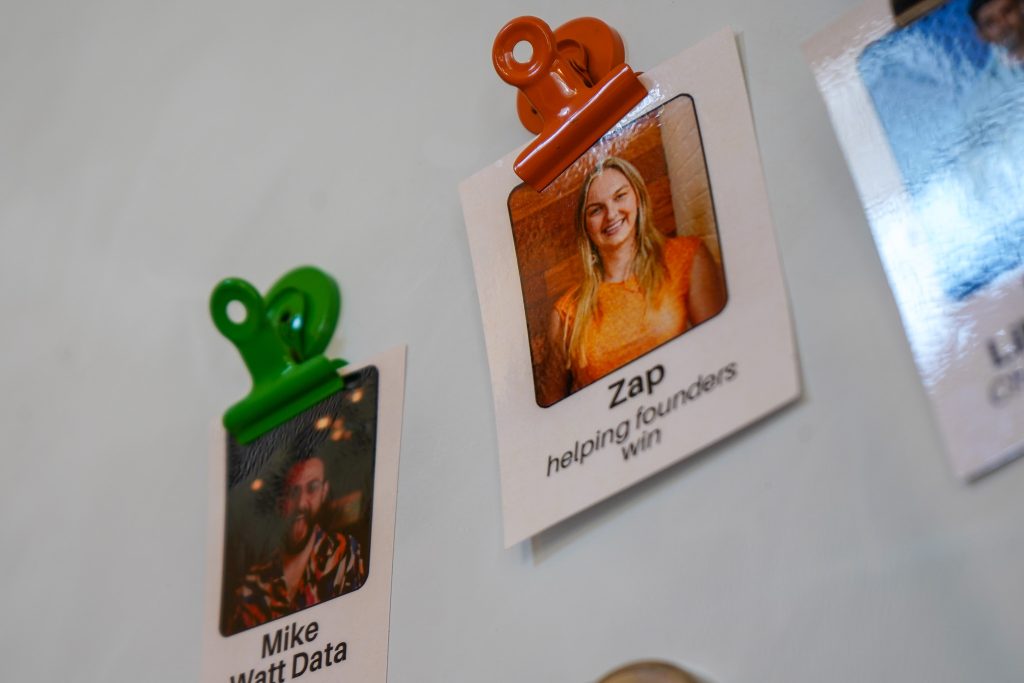
“I understand why we don’t see as many angel dollars flowing into startups here as in other parts of the country. The reason is simple: people here have not built wealth by investing in tech companies. They’ve typically built wealth in this area from investing in healthcare services and real estate. That’s what they’re comfortable with, and they’re going to continue building wealth in those arenas,” Zap said.
For individuals looking to include a venture in their investment portfolio, Zap suggested starting small. Personally, she cuts small $5,000 checks into early-stage startups. She also coordinates special purpose vehicles (SPVs) for interested parties to follow along on her deals.
“Most people should not be writing $50,000 angel checks; it’s not in their budget, and it’s a highly risky asset. You should start with the smallest check you can,” she said.
Joining a fund can reduce the rookie risk
Travis Manasco, an investor with Solas Bioventures, said it’s best to dabble in venture capital surrounded by people who know what they’re doing, versus flying solo.
“I think the best way to do it is to get involved with a fund, because venture capital is inherently risky. You want to diversify your money as much as possible by putting it in 10, 15, or 20 different portfolio companies,” he said. “I think where a lot of people might get frustrated is when they invest in one company, and then it doesn’t work out. That is frustrating. It really is painful to lose money.”
Increased education about VC as a portfolio strategy could change traditional views
Tennessee has a significant amount of wealth, but it is tied up in more traditional operating companies or real estate investments.
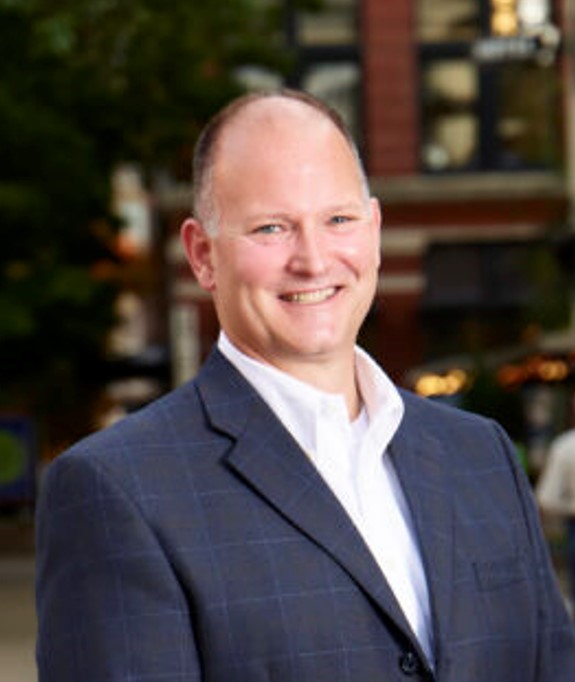
Grady Vanderhoofven, the President and CEO of Three Roots Capital, said there needs to be increased education about what these VC deals look like in terms of timeline and potential returns.
” I think if somebody is interested in exploring venture investing, they should begin in a non-threatening way. For example, they could join an angel group. They could seek out a fund that’s accepting investments from limited partners. They could attend venture forum. They could go to Startup Day. It’s an opportunity to network before they even pull their wallet out,” Vanderhoofven said. “People will make the investment once they start ot see it as a portfolio strategy.”
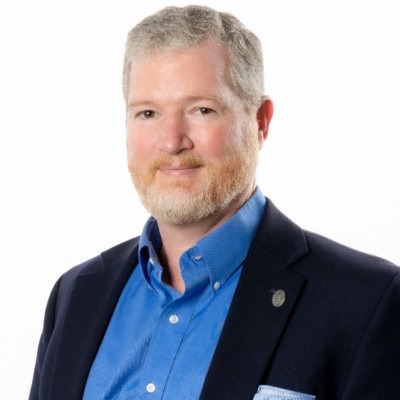
Eric Dobson, Founder of Community Equity Partner and Ventures, agreed.
“This isn’t taught in business school. It’s a learned activity. And the only public examples, like Shark Tank, can be pretty unrealistic examples of how this actually works. There’s just an altruism to the craft. Most investors want to give back. They want returns… But they’ve been successful, and they want to help bring up the new generation,” Dobson added. “If you have the means, I don’t know why you wouldn’t do this.”
More unicorns and large-scale exits may calm some cold feet
Eller Kelliher, the Chief Investment Officer for Launch Tennessee’s InvestTN fund, has a strong pulse of the investor attitude across the state.
Part of her job is to award startups with state dollars through the InvestTN fund, and the other part is helping connect promising startups with angel and VC investors.
“We need more proof points– more successes and wins for those early angels. And I think it needs to be outside of healthcare. That would create a tailwind of FOMO… How do I get into these early-stage deals?” Kelliher said.
Cam Doody, the Co-founder of Brickyard, couldn’t agree more. He views the need for a big “winner” as urgent.
“We need more winners, period. We need more winners. We need to seed the next Tennessee bedrock company… like now. When that happens, and when we have a 1,000x company that becomes a top five GDP-producing company in Nashville, Knoxville, or Chattanooga, that’s going to attract those new investors,” he said.
Community may be the ultimate catalyst
Something Brandon Bruce and John Bruck, General Partners of Market Square Ventures, and co-founders of 121 Tech Hub, have done well is facilitating a community for people to gather. They help keep entrepreneurs, investors, and community members looped in on what’s happening in the investment landscape. They are public about the companies they invest in – and focus on promoting founders who call East Tennessee home.
“We have seen in the short time that Mark Square Ventures has been around that our limited partners have raised their hand and said, yes, we want to do this,” Bruce said. “It’s making people aware of what we’re doing, the excitement of backing startups, the potential to win with them, and adding value.”

Like what you've read?
Forward to a friend!