


How UCOR turned employee feedback into a mental well-being resource for 2,500 workers
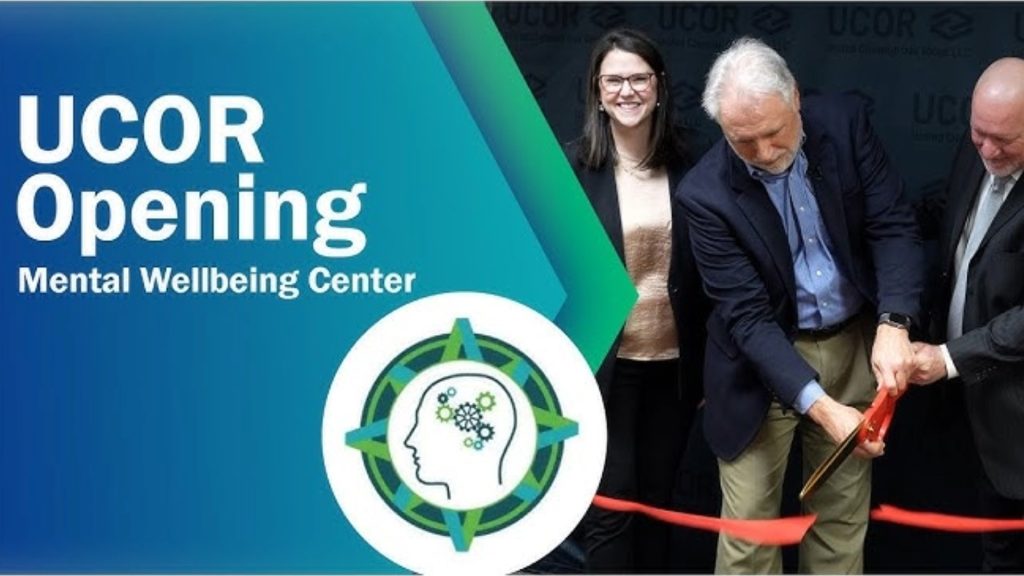
As UCOR continues its complex environmental cleanup mission, the company is also investing in the health of the region’s workforce. A new Mental Wellbeing Center, created directly in response to employee surveys, now gives 2,500 workers access to free counseling and crisis support.
United Cleanup Oak Ridge (UCOR) LLC shoulders some of the most complex and hazardous environmental cleanup work in the nation. The company’s strong culture of safety, paired with systems it describes as “world class,” has helped UCOR attract top-tier talent to East Tennessee.
That commitment to people does not go unnoticed. UCOR has been recognized nationally as a top workplace, a distinction employees often credit to leadership’s willingness to listen and respond to their needs.
One of the clearest examples came after a recent employee-led survey revealed a desire for more accessible mental wellness resources. Instead of outsourcing the need or introducing a temporary solution, UCOR invested in a full-access Mental Wellbeing Center for its 2,500 employees in East Tennessee. Insurance is not required. Each qualifying life event allows employees up to seven free sessions, lowering the barrier for workers who may hesitate to seek help.
In the December issue of the Laborers’ Health and Safety Fund of North America’s Lifelines Magazine, program manager Graeme Parsons said the center has already become an important part of UCOR’s employee culture. It gives people a confidential space to work through the hard moments, whether they stem from high-stress cleanup activities or challenges at home.
“The center gives us a way to engage with workers on their terms,” Parsons said.
That flexibility is key at a company where about half the workforce is in skilled labor roles and often works nontraditional or shifting hours.
So far, the center has a utilization rate of 6.5 percent. 115 employees have used the service for a combined 430 sessions, and the team has stepped in during six crisis situations. UCOR also reports that every single employee who visited the center said it had a positive effect on their well-being.
Right now, one counselor staffs the program. But UCOR leaders are already exploring the possibility of adding a second counselor, which would open the door for group support sessions on topics such as grief and elder care. It is another sign that UCOR is treating mental well-being not as a workplace perk, but as a foundational part of safety and long-term workforce health.
Like what you've read?
Forward to a friend!