
EirSystems brings new precision to medication administration
EirSystems' eMAR product tracks patients, medication dispension, insurance logs, and weekly reports of drug administration within a facility.
When Ryan Seaberg was recovering from a major football injury, he noticed a troubling flaw in the healthcare system. He had been overprescribed opioids. Bottles of OxyContin accumulated on his countertop. He was stunned, especially because he knew the risks firsthand.

One of Seaberg’s closest friends had died from an opioid overdose. According to the Centers for Disease Control and Prevention (CDC), he was one of about 50,000 people who died from an opioid overdose that year. Seeing those prescriptions pile up brought the crisis painfully into focus.
These drugs were far too serious to be casually overprescribed, he thought. The moment struck a chord.
“Whenever bad things happen, you can either wallow in it or you use it as motivation to make a difference,” Seaberg said.
He chose motivation. Seven years ago, he started searching for a solution.
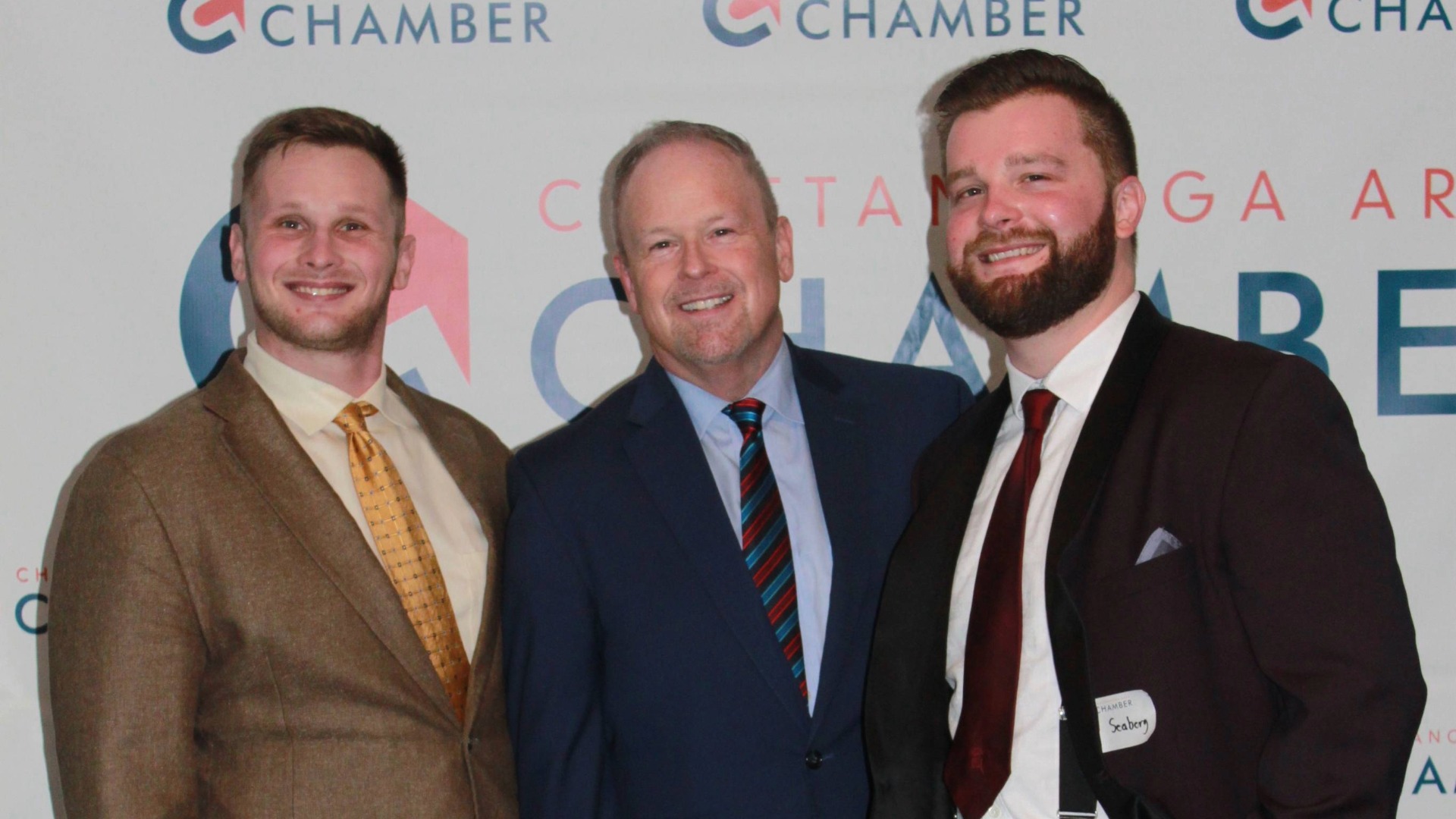
“I started EirSystems with my father, who had a long history of managing hospital systems. I was able to ask him about prescriptions, what doctors like and don’t like about the process. And, we built an electronic-prescribing product,” he said.
About two years ago, Seaberg sold that first product to a French company. The transaction gave him both financial runway and renewed focus. He shifted his attention to a broader issue affecting treatment centers and behavioral health facilities: electronic Medication Administration Records (eMARs).
The product
“We built a new eMAR product that is just now entering the market. It’s been an interesting journey,” Seaberg said.
The EirSystems eMAR supports drug treatment facilities, mental and behavioral health centers, crisis centers, and senior living communities. It tracks patient room and bed assignments, calculates exact medication dosages, dispenses the right amount, and sends medication logs directly to insurance providers.
“We’re the backbone software for a lot of these types of clinics,” Seaberg said.
In a healthcare environment defined by tight compliance, HIPAA standards, and extensive regulation, Seaberg found a streamlined way to integrate without shouldering the full regulatory burden.
“We realized early on that our best customer is the electronic health record companies. They don’t currently have the service we provide, but they want it. It helps them,” he explained. “By partnering with these EHRs, they’re the ones that take on the bulk of the compliance burdens. It allows us to keep innovating, take responses back from end-users, and make sure we can actually do everything that they need.”
The system also generates end-of-week reports for facilities and provides documentation for the Drug Enforcement Administration or state agencies. Before tools like this existed, much of that work was done manually.
“It was a really time-consuming process,” Seaberg said.
Living the startup life
Seaberg thrives in a startup environment. The work ethic he honed in football still drives him today. Before his injury, he achieved his childhood dream of playing professional football for about five years.
“People always asked me, ‘What do you love most about football?’ And it was never the games. It was all the hard work. It was the practice, the sun, like 200 degrees in the middle of August, when you got two days to master a play… I loved those days,” he said. “And that’s what it’s like starting a business.”
Launching a startup means solving problems, building a team, and pushing through countless rejections before the victories appear. This time around, Seaberg said he was better prepared.
“We made a lot of mistakes in our first product, the wrong developers, the wrong sales people, the wrong kind of makeup of the team… And this time, we took our time interviewing, selected a remarkable development team, trained a solid customer service team, and have nurtured that family-atmosphere,” he said.
EirSystems now has 10 employees. Five are developers, and the other five work in client service, implementation, training, and problem-solving.
Capital also came more easily the second time. Seaberg used part of the proceeds from the sale of his first product to launch the eMAR and leaned on longstanding relationships to quickly onboard 11 EHR vendors as early adopters.
“What I’m most excited about is that we have a great team, we’ve got a great product, and now we have our EHR partners going live,” Seaberg said. “2026 is going to be a growth year for us, which is what every entrepreneur dreams about.”
Learn more about EirSystems here.
Like what you've read?
Forward to a friend!