


Xuron’s virtual patients aren’t real, but the training impact is | Meet the startup targeting CME
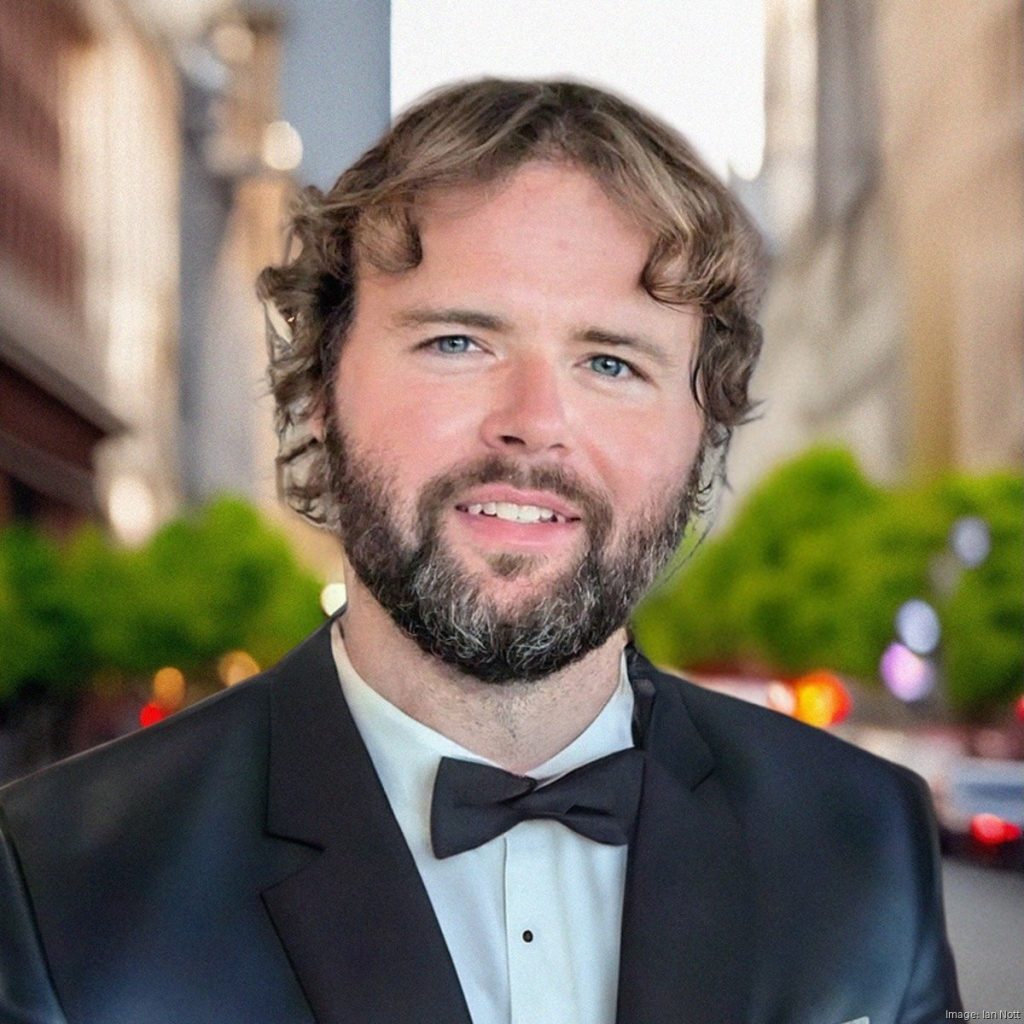
“The impact of this is massive,” said the founder Ian Nott. “This one program could go on to affect well over a million opioid risk patients in the U.S. over the next year.”
From diagnosing a grandpa with a cough to treating a six-year-old who broke their arm, patient care varies based on the scenario. In medical school, trained actors called standardized patients, portray patients with a specific set of character qualities in a repeatable way so that medical students can learn and be evaluated on clinical skills.
Through this, health care practitioners can practice bedside manner on different personality types with various diagnoses.
However, after graduating and moving into the hospital system, it’s rare for continued medical education (CME) to include practice on standardized patients. Instead, most CME takes place in the format of online lectures and tests. And, these continued courses are required. To remain in regulatory compliance, nobody can bypass CME.
Ian Nott, a serial entrepreneur in Nashville, is a big proponent of technology being used to advance the human condition in a positive way.
“When we looked at CME, I wondered: How do you go beyond testing and didactic lectures and offer people the ability to practice what they’re learning?” he said.
For more than a decade, Nott has been building telepresence platforms driven by extended reality (XR) and artificial intelligence (AI). He saw potential for these technologies to really enhance the CME training experience, as well.
His answer? Virtual humans.
Using virtual humans to simulate real scenarios
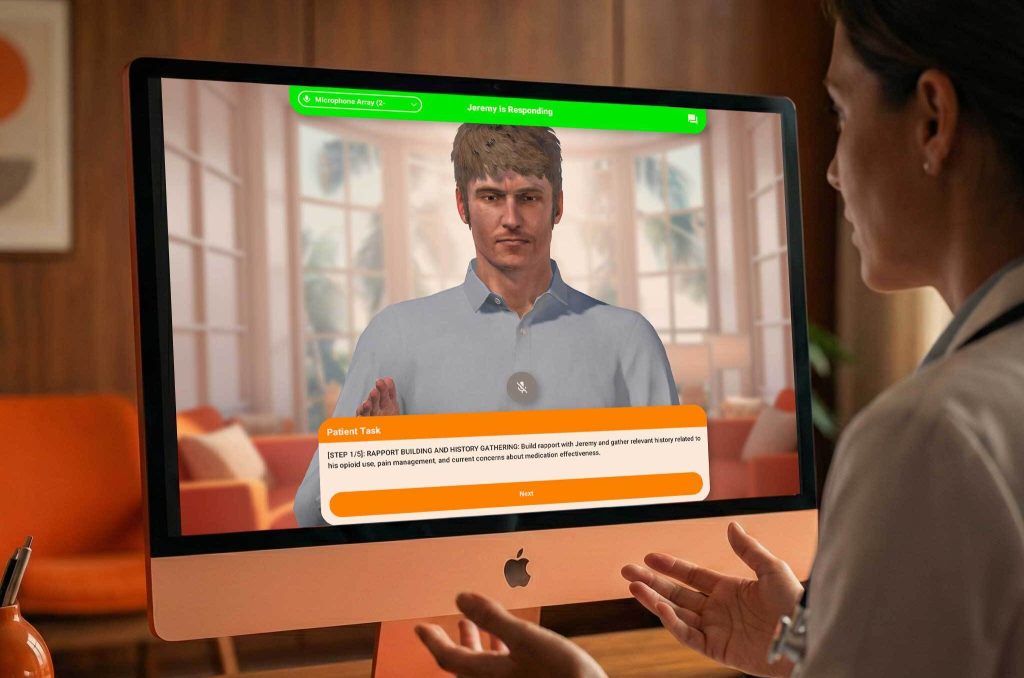
By fusing AI agents and 3D virtual-human technology, Nott and his trusted team of engineers can make CME training engaging, hands-on, and reflective of a simulated real-world experience.
His company, Xuron, has already been integrated into six of the legacy Medical Education Companies (MECs). Those companies handle the CME credit and topics for compliance, while Xuron handles the development of interactive activities for the users.
Xuron in action with Opioid risk-assesment training
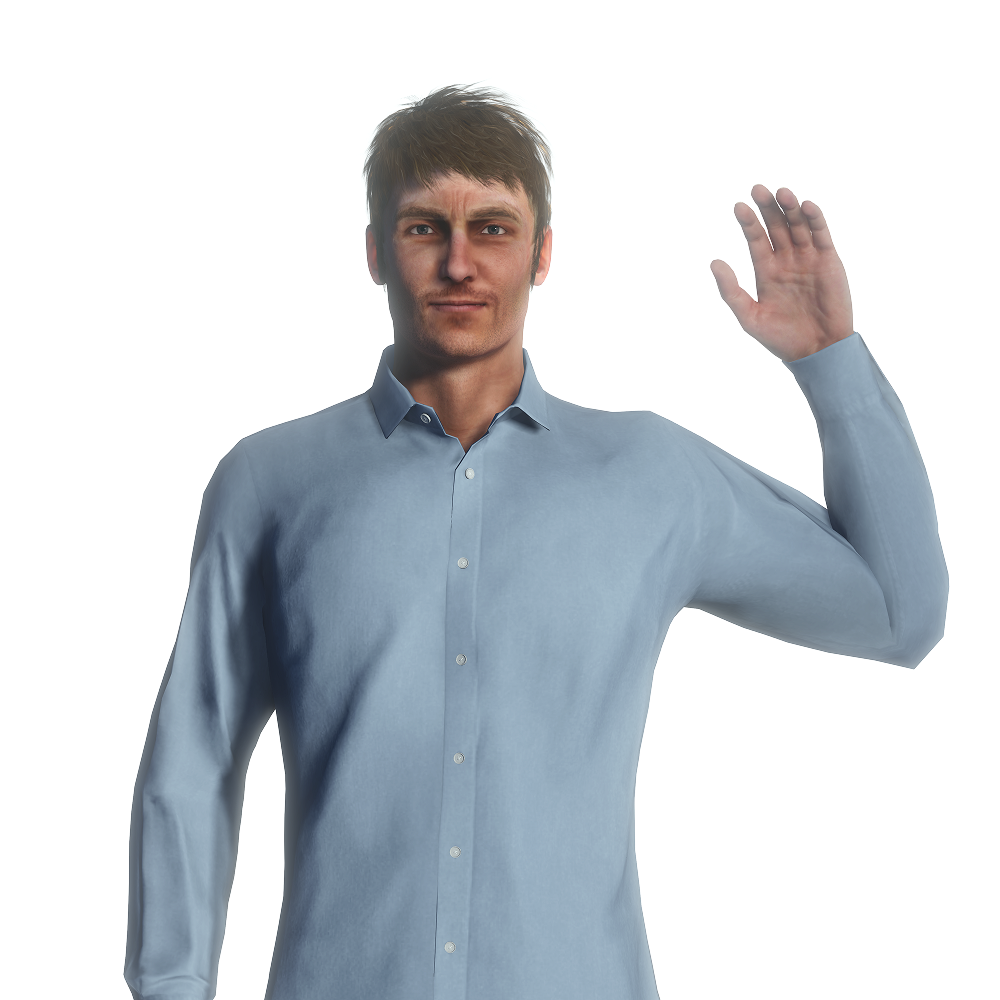
An example of a Xuron program that’s already making an impact is its Risk Evaluation and Mitigation Strategy (REMS) Opioid training program. It introduces a virtual human named Jeremy, who is a 34-year-old warehouse supervisor presenting with chronic back-pain and reporting that he runs out of medication each month.
More than 6,000 health care practitioners are required to complete the training with Jeremy, and 1,000 already have.
“The impact of this is massive,” Nott said. “This one program could go on to affect well over a million opioid risk patients in the U.S. over the next year.”
Plus, early reporting data shows the knowledge retained through the interactive platform is higher than that of a lecture. According to data from Xuron, only 58% of participants had knowledge of what to do in the situation beforehand. Following the XR training activity, almost 91% had the key knowledge, showing a 32% knowledge increase. See full Xuron study.
Xuron in action with PrEP adherence
In addition to working with MECs, Xuron has formed a partnership with the Music City PrEP Clinic in Nashville. The clinic offers comprehensive sexual health services for people living with HIV.
Xuron has been able to develop virtual programs and activities that simulate very emotionally intense situations that could occur with patients. It helps train new workers and upskill existing clinic employees for PrEP adherence.
Pulling a uniquely human thread
The technology is the first thing to catch people’s eyes when they hear about Xuron. But Nott said he doesn’t necessarily want that to be the case. He wants people to see the human side of the equation.
“There’s a massive human thread that we’re pulling on here. It allows these nurses and physicians to treat their patients better, with more human empathy and compassion, because they have practiced in a simulated format,” Nott explained.
He said it’s all about helping humans become better versions of themselves in the midst of some of life’s scariest scenarios.
The work of Nott and his team has been noticed by investors across Tennessee. Xuron closed a seed round last year with Nashville-based 3LS Ventures and Launch Tennessee on the cap table.
The next step with the seed funding is to soft-launch V4 of Xuron’s training simulations with key partners. More information to come from Xuron in the coming months.
“In the AI world, there’s so much noise, fluff, and nonsense. But, we believe we are using it in the ultimate interpretation of a human-centered approach,” he said.
Like what you've read?
Forward to a friend!