
New Day Diagnostics is at the center of a new research partnership focused on cancer diagnosis
The collaborative effort is a new sort of partnership between the University of Tennessee, Knoxville, East Tennessee Health Innovation Alliance, and Daisy Genomics Inc.
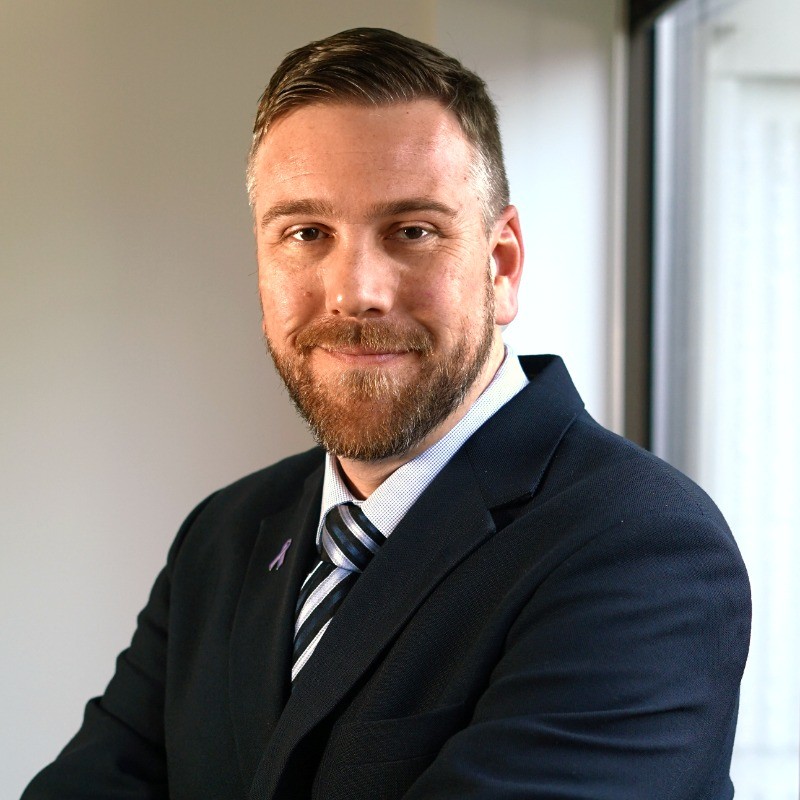
For Eric Mayer, cancer research is a personal pursuit.
As of January 1, 2025, an estimated 18.6 million people were living with a history of cancer in the United States. Mayer said cancer runs in his family’s blood.
“My own mom had a positive blood test and had polyps detected and removed. Those typically progress into cancer,” he said. “When that happens, the mission becomes very personal.”
Since 2015, Mayer has been the CEO of a Knoxville-based colon-cancer detection company called New Day Diagnostics (formerly, EDP Biotech). He discovered his mom’s polyps while conducting a blood test for his research.
Now, thanks to a collaborative research agreement between New Day Diagnostics, the University of Tennessee, Knoxville (UTK), and Daisy Genomics Inc., he could scale that research to make an even greater impact.
A broader vision
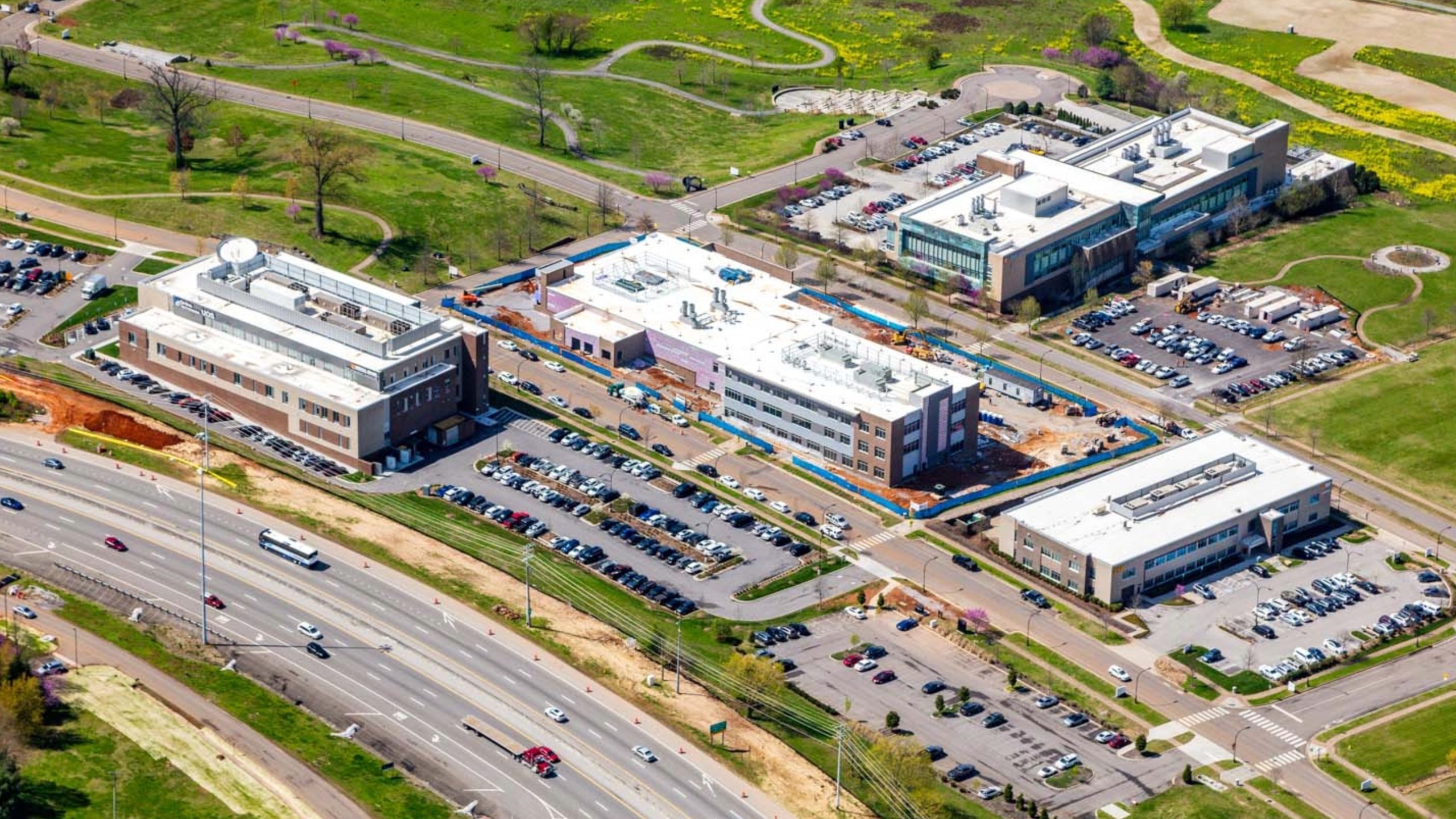
New Day Diagnostics has a laboratory and research facility at the UT Research Park at Cherokee Farms. Through the arrangement, Mayer became acquainted with Brad Day, the Associate Vice Chancellor for Research Innovation Initiatives at UTK.
Both of them simultaneously dreamed of a scenario where Knoxville could become an innovation hub for biotech and life science companies to grow and thrive. Sam Libby, who is an investment banker for New Day Diagnostics, shared the vision and thought up a research accelerator model that would attract these sorts of high-impact bioscience companies to the area.
“Toward the end of this year, the two of them – Brad and Sam – started working together to bring biotech companies and partnership models to UTK and to the UT Medical Center,” Mayer shared.
The collaborative research agreement between UTK, New Day Diagnostics, East Tennessee Health Innovation Alliance, and Daisy Genomics Inc. is a test for that model. Daisy Genomics is headquartered in Carlsbad, California, with research operations in New Mexico.
“This collaboration is exactly the type of high-impact initiative we are committed to advancing at UT and across ETHIA. This partnership is also a prime example of how the UT and the UT Medical Center are working together to drive innovation in the region, with a focus on positively impacting patient lives,” Day said.
The research agreement
Mayer said, though it’s a research agreement, it feels like an entrepreneurial endeavor. It’s the first time all of these partners have worked together strategically in this manner.
Research will be conducted across New Day’s CLIA-certified laboratory, labs on UT’s campus, and at UT’s Institute for Advanced Materials & Manufacturing (“IAMM”), whose nanoscale engineering, microfabrication resources, and materials science expertise align closely with Daisy Genomics’ next-generation chip design and manufacturing roadmap.
“This is about bringing companies to Knoxville. We really want to utilize the ecosystem and grow the entrepreneurial spirit, which is what Knoxville has become known for,” Mayer said. “Like any other entrepreneurial endeavor, you’re building the ship as you’re sailing the ship, and building the airplane, as you’re flying it.”
Mayer said Daisy Genomics was a good fit for the partnership because they wanted access to the robust collection of cancer samples that New Day Diagnostics has been testing on.
“So, we said, come partner with us, come partner with the university, and we’ll figure it out,” Mayer said.
Specifically, the collaboration will combine New Day’s clinically validated CRC liquid biopsy technology with Daisy Genomics’ breakthrough physics-based sequencing platform. Together, they will generate foundational data to demonstrate how direct detection of epigenetic signals, without chemical amplification or traditional sequencing bottlenecks, can unlock earlier, more accurate, and more scalable cancer screening.
“We would love to see these sorts of partnerships grow, develop a bioscience hub, and be a repeatable model, right? But, the most important part of all this is figuring out how the heck we can prevent colon cancer from taking place,” Mayer said. “How can we do cancer detection better?”
How can they help more people– like Mayer’s mom – avoid the life-altering experience of walking through a cancer diagnosis?
You can read more about New Day Diagnostics here.
Read more specifics about the research agreement here.
Like what you've read?
Forward to a friend!