

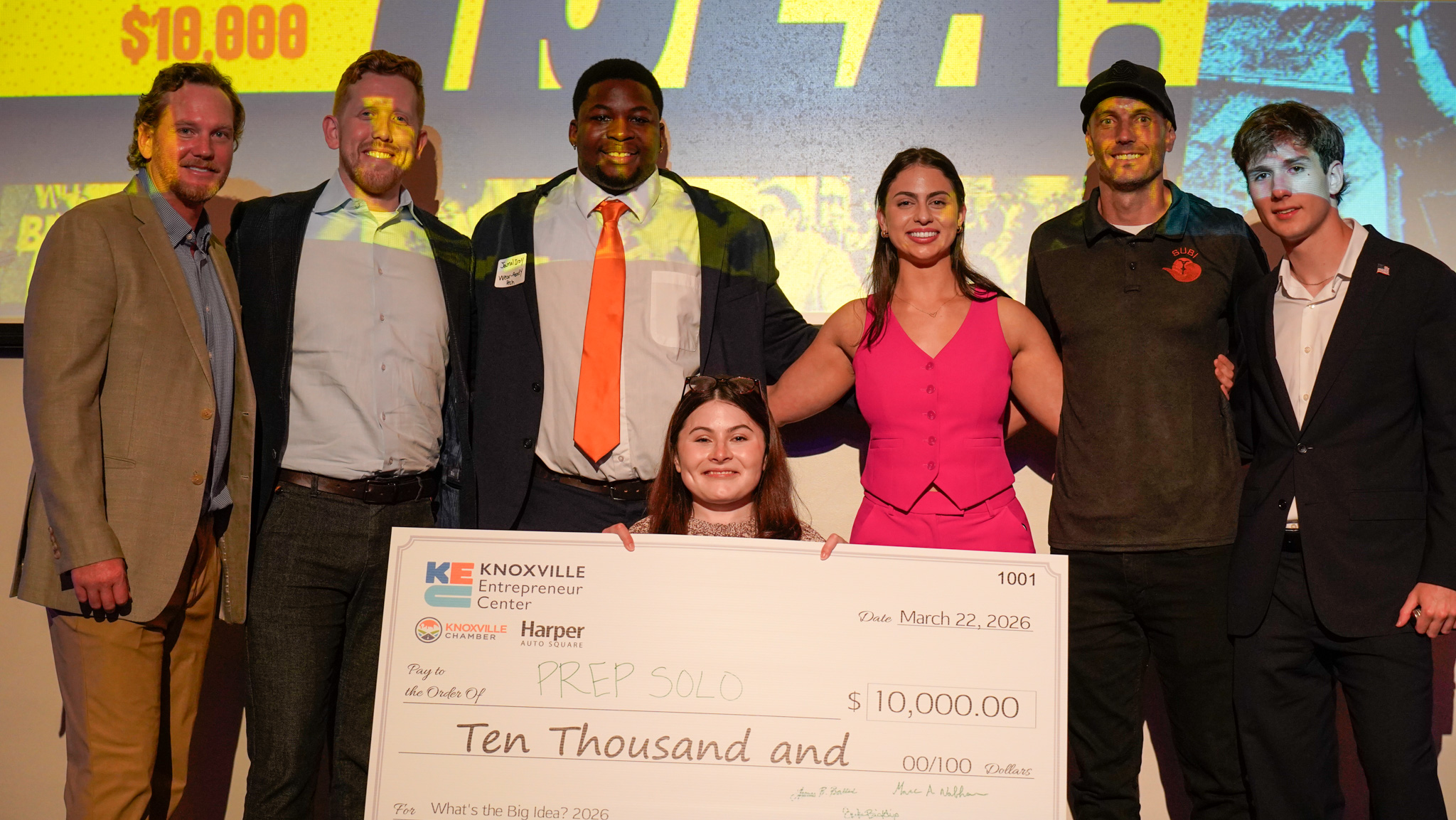
Knoxville’s entrepreneurial ecosystem on display at annual ‘What’s the Big Idea’ pitch competition
From PFAS water filtration to cooking independence systems, seven finalists showcased the diverse future of East Tennessee’s startup economy.
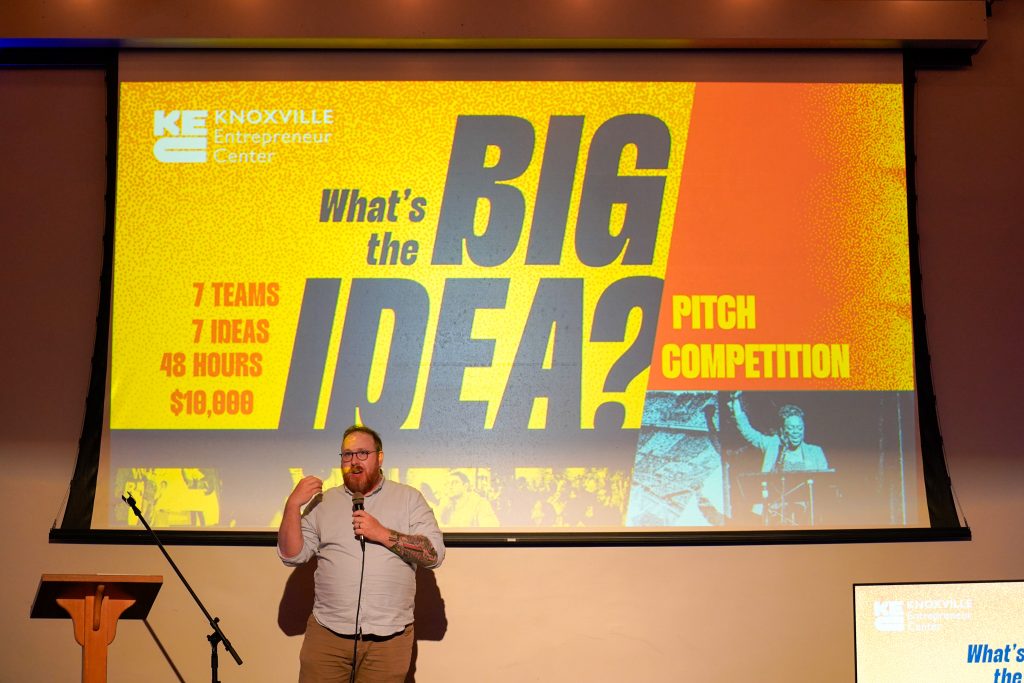
Despite sunny, 80-degree spring weather and the University of Tennessee (UT) playing in the opening rounds of March Madness, the Relix was packed with an eager crowd on Sunday evening to watch seven local founders pitch their big idea.
Hosted by the Knoxville Entrepreneur Center (KEC), the event was made possible through sponsorships from the Knoxville Chamber, Harper Auto Square, K Brew, and Carrasco | Trump.
Gearing up for pitches: A weekend of intensity
While the public event lasted only a few hours, the participating founders put in work all weekend long. Each entrepreneur was paired with a slate of mentors to refine their business models and pressure-test their ideas for the marketplace. This intensive coaching culminated on Sunday evening as the seven finalists presented their progress to a distinguished panel of judges:
- Tom Ballard, Founder of Teknovation.biz, former Chief Alliance Officer for PYA.
- Erika Biddix, Founder of Erika Biddix Business Consulting and Services.
- Marc Nabhan, Director of Entrepreneurship and New Ventures at the UT.
The winner: PrepSolo makes cooking accessible
The night’s big winner was PrepSolo, founded by Megan Quigley. Inspired by her own experience as a wheelchair user, Quigley developed a modular kitchen system designed for those who want to cook independently without the expensive costs of home renovations.
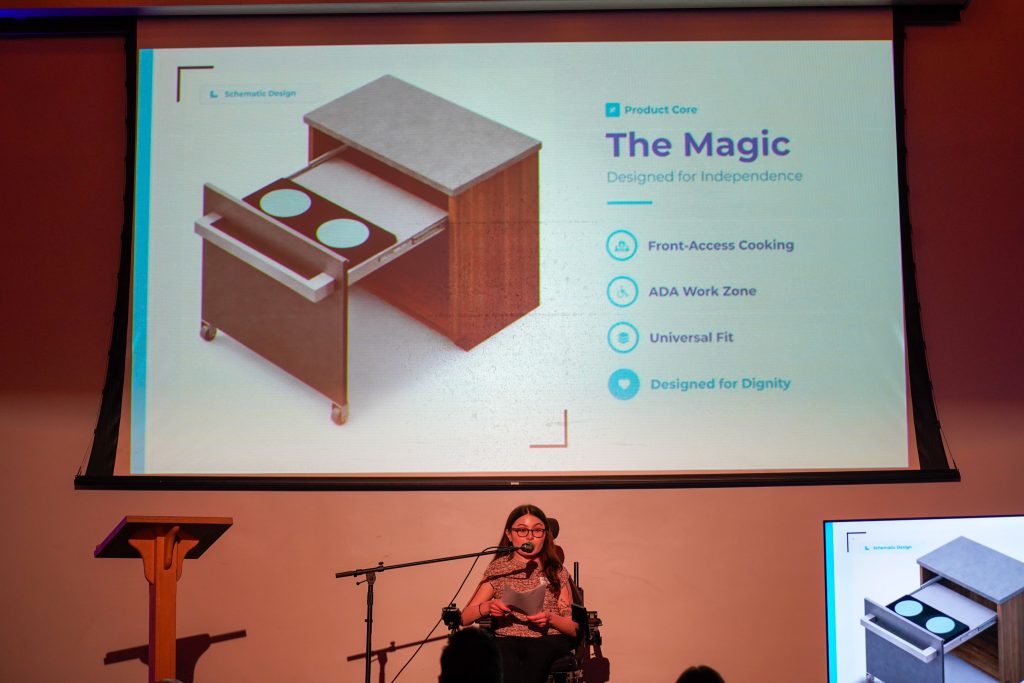
PrepSolo’s differentiator is a “plug-and-play” unit that will be manufactured right here in Knoxville. While most kitchens do not allow space for a wheelchair to pull under a sink or stove, PrepSolo features a unit installed in a cabinet that pulls down, creating essential knee clearance.
With a retail target of $750—a fraction of the cost of a traditional remodel—Quigley is eyeing a $490 billion U.S. disability market. She plans to work with Amanda Furlow of DesignAF to ensure the prototype does not cut corners on aesthetics just because it’s ADA-compliant, which so often happens.
Aquafer Technologies
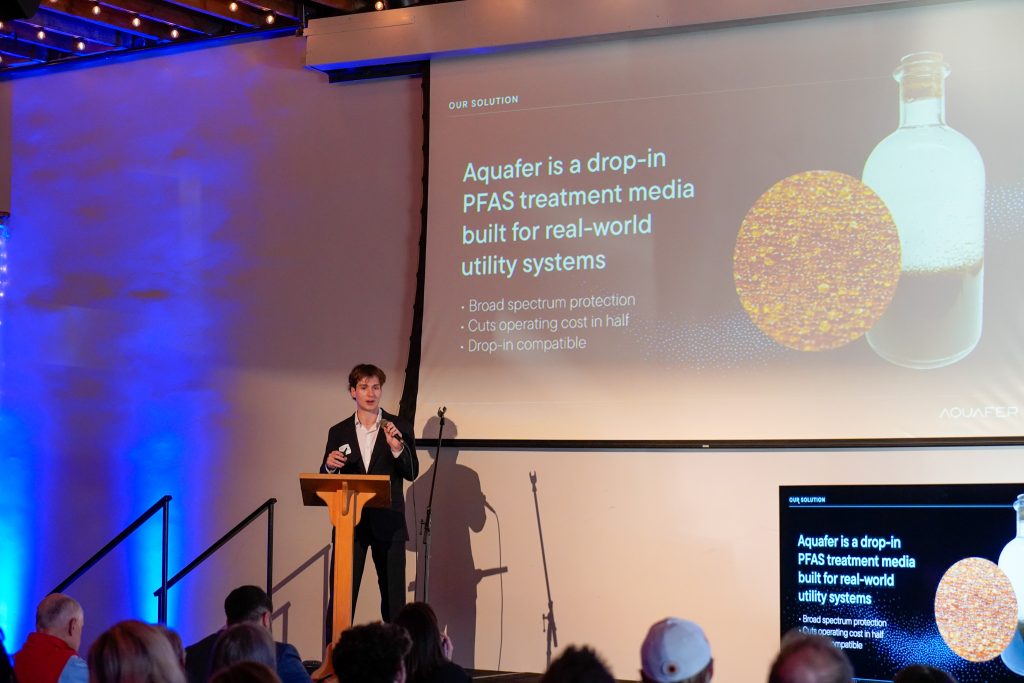
Founded by Marton Krivan, Aquafer Technologies‘ patent-pending, drop-in filtration media removes over 1,000 PFAS (forever chemicals) from drinking water. The solution reportedly lasts eight times longer and costs half as much as the current infrastructure. With local partnerships already established through the Spark Innovation Center and UT Research Foundation, Aquafer is looking toward global commercial sales by 2029.
VACScore
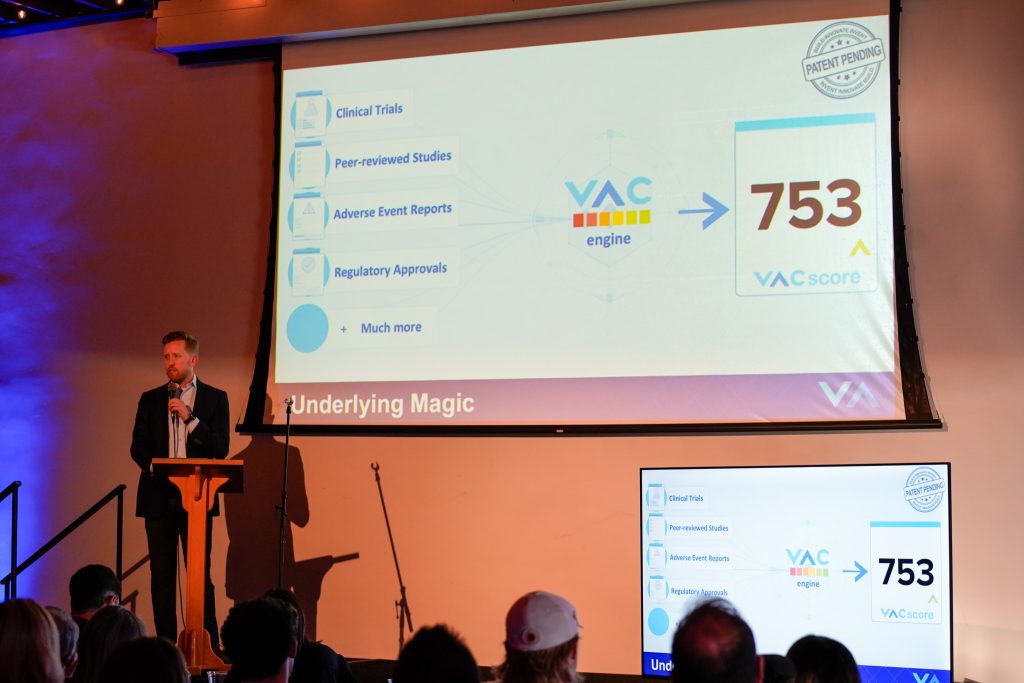
VACScore was founded by David O’Dell and Matthew Park. This AI-powered platform is designed to help hospital Value Analysis Committees (VAC) make faster, evidence-based medical device decisions. Inspired by his O’Dell’s own health challenges following a surgery, the platform can reduce the time it takes a hospital to review a new medical device from 55 hours to just 55 seconds and flag if a doctor is receiving incentives from the device manufacturer.
The venture is currently gearing up for its first pilot in April 2026 at Grandview Medical Center in Alabama.
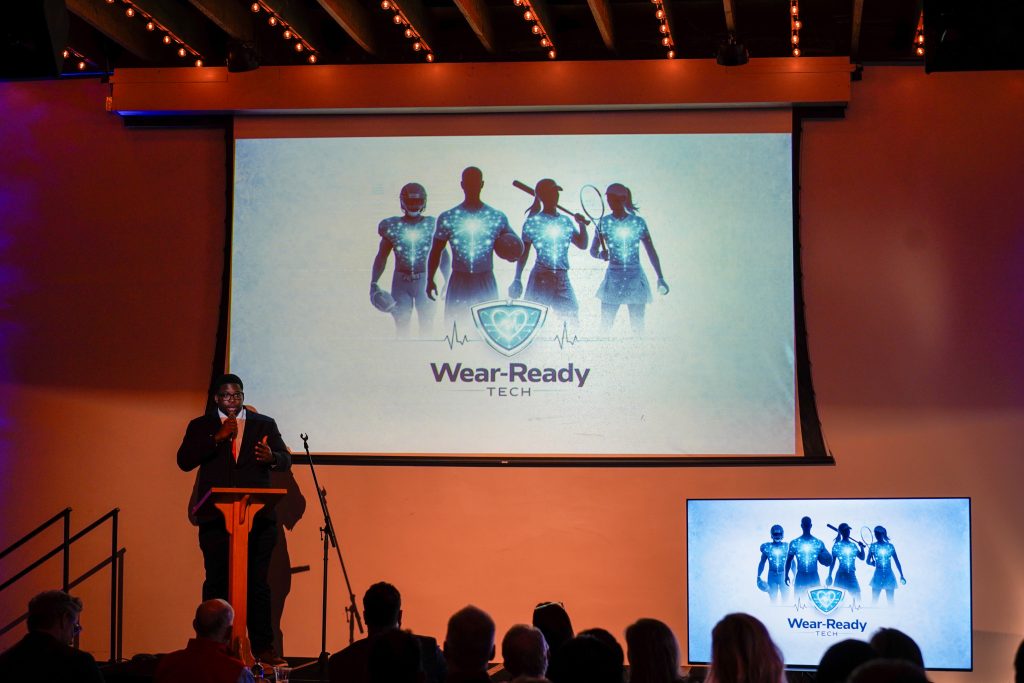
WearReady Tech
Founder Jamal Irby‘s idea represents the intersection of sports and tech. Drawing on his experience as a D1 athlete, Irby’s venture integrates biometric sensors directly into athletic apparel to track real-time performance and recovery. Because devices like smartwatches are often prohibited during games, WearReady offers a smart compression shirt and data dashboard to help athletes prevent injuries. Irby plans to scale by offering customized looks and colors for team gameday style.
ZestyCoach
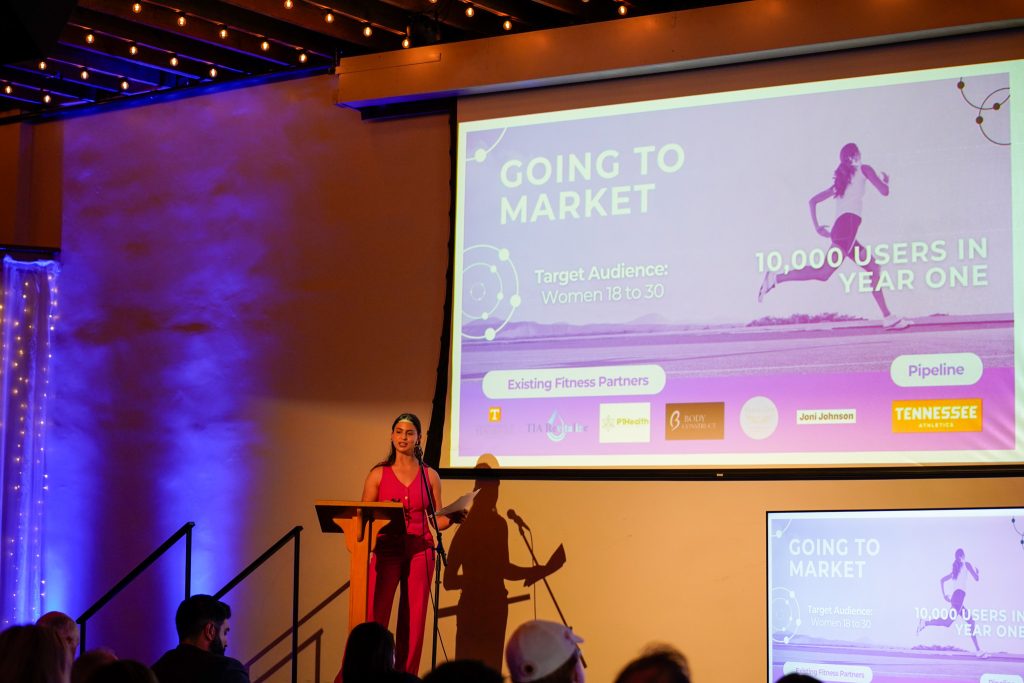
Founder Bella Matasic introduced ZestyCoach as personalized health system that adapts nutrition and fitness guidance to a woman’s biological cycle. By addressing the $97 billion femtech market, the AI-driven coach provides a continuous, personalized experience rather than fragmented advice. Matasic is targeting the 18–30 demographic for her upcoming April beta launch, with plans to eventually expand the demographics and adopt expertise on menopause and male physiology.
SUBI LLC
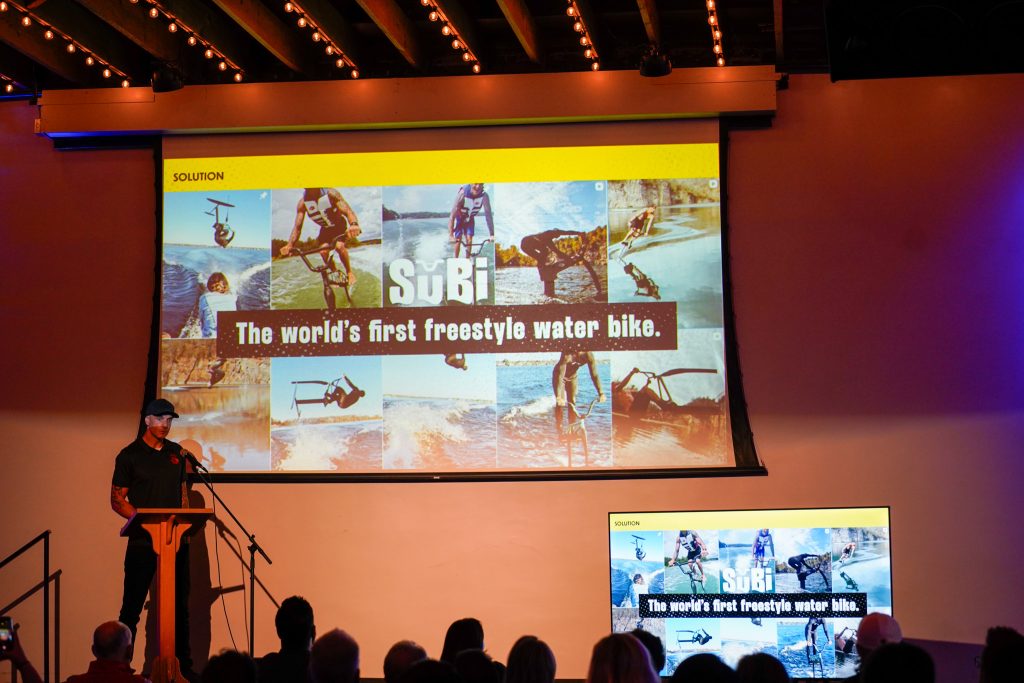
Founder Marc Willers, two-time BMX Olympian, presented the world’s first, patent-pending, human-powered “Surfbike.” This easy-to-transport, 18-pound bike targets a $10 billion luxury adventure market. Willers noted that while water bikes have existed before, the SUBI is the first to prioritize the aesthetic and freestyle capabilities of a traditional bike. While Willers described the adrenaline-fueled experience of lifting above the water, he encouraged the audience to check out their Instagram videos, noting that the “cool factor” of the bike is difficult to put into words.
VeriQual Inc
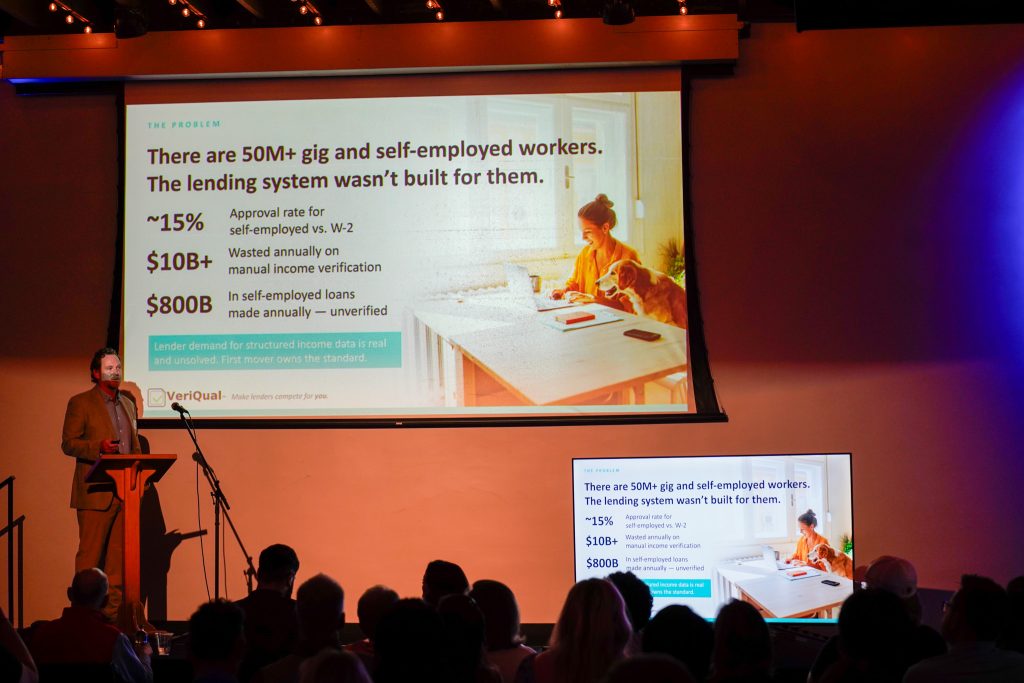
Founder Bryan Crosby pitched a transparent income-qualification platform built for the self-employed. Drawing on his own background in banking and independent work, Crosby created a system where users can see how lenders will interpret their income before they ever apply for a loan. By operating independently from lenders, VeriQual aims to bring clarity to a $4 trillion U.S. lending ecosystem that was not originally designed for today’s independent workforce.
A look back: Catching up with TeachCraft
Before the 2026 winner was announced, the audience heard from last year’s champion, Joel Smith of TeachCraft. Smith’s AI-driven platform helps educators create project-based lesson plans in minutes.
Since winning “What’s the Big Idea” in 2025, Smith has officially moved to full-time status with the company. TeachCraft is currently engaging 16 schools for pilots across five states, including Tennessee, Ohio, Indiana, Nebraska, and California.
Kudos to the KEC team for another great event and for their ongoing role as a cornerstone of the local entrepreneurial ecosystem!
Like what you've read?
Forward to a friend!