

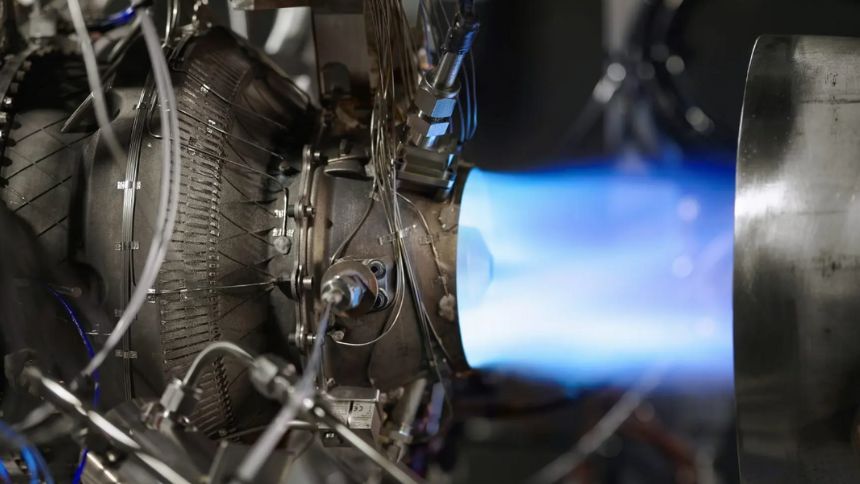
Beehive Industries has achieved extraordinary milestones for its Frenzy™ engine
The tests are scheduled to commence in the fourth quarter of 2025, setting the stage for flight testing early in 2026.
Beehive Industries, the Denver, CO-headquartered company that opened a new 60,000-square-foot facility in West Knoxville in May 2024, has announced significant strides in the development and testing of its 200 lbf Frenzy™ engine.
Building on a $12.46 million contract awarded in October 2024 by the U.S. Air Force in collaboration with the University of Dayton Research Institute and following the formal introduction of the Frenzy engine in December 2024, Beehive has achieved extraordinary milestones.
The company has accelerated the development process, moving from the finalization of production requirements to First Engine to Test (FETT) in an impressive five months. Since then, Beehive has tested a new engine every six weeks, demonstrating the power of its additively-enabled manufacturing approach. This rapid pace has resulted in the successful testing of four individual Frenzy engines in just six months.
The testing program, conducted across Beehive’s Denver, Cincinnati, and Knoxville facilities, has adhered strictly to the original program plan, with all four engines beginning their tests on schedule. This consistency underscores the company’s reliable say/do culture and its commitment to delivering results.
The next phase of Frenzy development involves altitude testing. Beehive’s altitude test engine has completed acceptance testing and will soon ship to the test facility. These tests are scheduled to commence in the fourth quarter of 2025, setting the stage for flight testing early in 2026.
Like what you've read?
Forward to a friend!