

Appalachian Music Collective launches to turn region’s deep musical heritage into economic development
At a moment when Appalachian music is having a comeback from chart-topping bluegrass artists to viral folk festivals, a new initiative out of ETSU is working to make sure that the spotlight translates into lasting economic opportunity for the region's musicians, venues and communities.
The Appalachian Music Collective (AMC) officially launched June 4, 2026, to connect the Appalachian region’s music ecosystem for economic development purposes. Powered by the East Tennessee State University (ETSU) Research Corporation, and partnered with the ETSU Department of Appalachian Studies, the platform is a direct response to findings from the 2024 Northeast Tennessee Music Census, sponsored by the Tennessee Entertainment Commission.
We interviewed Dr. Stephen Marshall, founder of AMC, professor at ETSU and chief marketing officer of the ETSU Research Corporation, to get his insights on this initiative.
An industry in need of infrastructure
The recent census found that the Appalachian region generates $75.9 million annually in music-related economic activity, supports 503 jobs and accounts for $22.8 million in direct earnings.
But, 86% of regional music professionals said they relied entirely on DIY learning, nearly 70% said they needed audience development and marketing tools, and 59% said they wanted a community-based, collaborative organization to help address those needs.
AMC was formed to answer this call, as showcased in the above video. At its core, AMC is a digital community and education portal that provides live and virtual professional programming.
Members gain access to audience development tools, marketing resources, licensing guidance, insurance options, revenue strategies and policy advocacy for free — the kinds of professional infrastructure that exist in major music markets like Nashville, but have largely been absent across Appalachia.
A current vendor partnership in development includes a telehealth option priced at $75 per month for creative workers. AMC is also pursuing Appalachian Regional Commission (ARC) grants to extend resources to 18 coal-impoverished counties across all three states, where access to creative economy infrastructure is most limited.
AMC will take a small percentage of transactions when platform partners provide services to members, allowing the organization to reinvest revenue back into the community.
“I want to make a profit because I want to be able to put that money back into the community. I want folks to be able to get jobs. I want the economy and tourism to thrive,” explained Marshall. “When you think of the Appalachian region, you think of the bigger places like Bristol, Johnson City, and Kingsport. But you can’t forget about places like Elizabethton, Abingdon, Unicoi and Erwin. This is where a regional business model will give a greater, impactful footprint.”
Heritage, the next generation, and a once-in-a-century moment
AMC’s vision board has lots on the horizon, but a main initiative is already live.
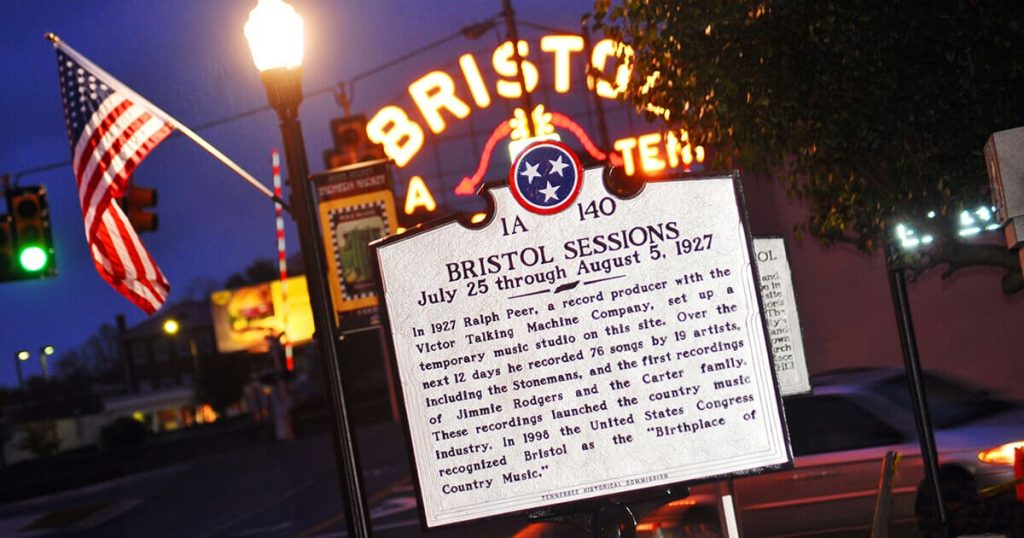
AMC has been working with the City of Bristol, TN on a monthly showcase series called Bristol Sessions Nights, held in the historic LC King building. The events are designed to honor the 1927 Bristol Sessions, which gave rise to country and bluegrass music. Programming ranges from tributes to the Carter Family to a spotlight on younger emerging artists, and the first session debuted last month.
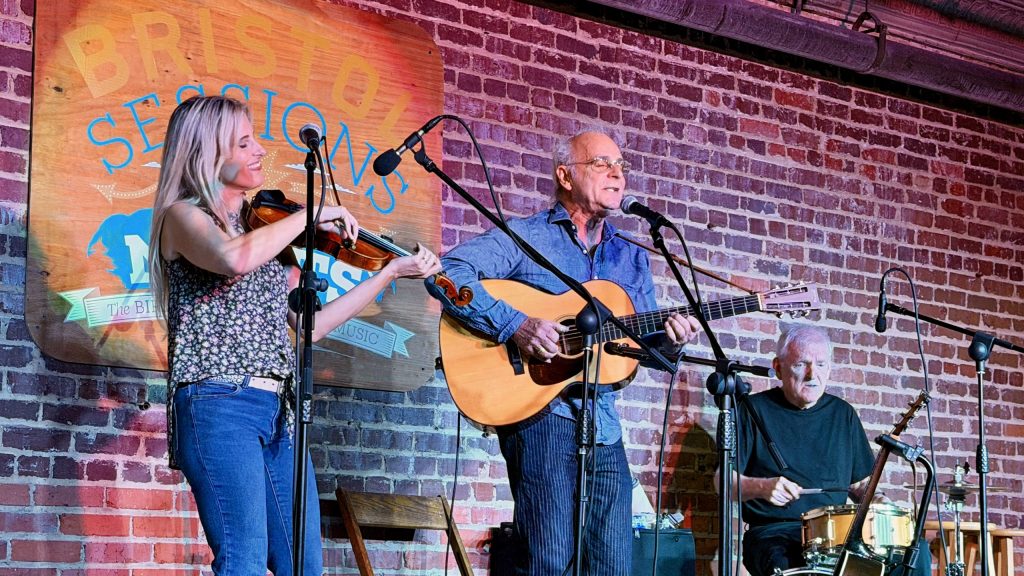
“We are thrilled to support the hard work of the City of Bristol, TN to make sure we’re telling the story of who we are today and how yesterday is still influencing tomorrow. We can showcase a lot of younger up-and-comers, but do that within the context of the historic sessions,” said Marshall.
The series is a runway to a full festival presented by the City of Bristol, TN l that will take place in May 2027, marking the 100th anniversary of the original sessions.
Developing the next generation of music industry professionals is equally central to AMC’s strategy.
In the fall, ETSU students will be embedded across AMC’s operations, contributing to storytelling, building a comprehensive regional music calendar and supporting content and marketing work for musicians. For the municipalities, AMC students will help determine the economic, tourism and workforce impact of these efforts. The goal is to streamline.
“We have some major folks that are super talented that just don’t know what they don’t know. Our role is to go, ‘Hey, did you know you could do this? Did you know about this tax incentive? Is there something that we could do to help you monetize your space or music? Helping put people in the same room to better their lives is the mission. AMC will be the coordination to get us out of silos,” said Marshall.
The state is on board
Gov. Bill Lee recently named Marshall and Ron Roach, Marshall’s academic partner in the Department of Appalachian Studies at ETSU, to serve on the Tennessee Music Advisory Council. This state body focuses on using music as an economic, tourism and workforce driver across Tennessee.

The appointments signal that state leadership is treating the creative economy as a serious pillar of regional development, and AMC is helping to carve that path.
“I’m a musician myself. Over the past decade, the rise of gig workers and independent creative contractors has outpaced the resources available to support them. Firsthand, I know how hard it can be to navigate business formation. AI raises the stakes further, but it also makes live, in-person experiences more valuable than ever. This is what the creative economy excels at. We want to create a sustainable model with AMC that elevates our region to a place it’s never been before and makes people want to come here because they know that they can create here while making a living,” ended Marshall.
Explore the Appalachian Music Collective site here. View the AMC one-pager here.
Like what you've read?
Forward to a friend!