


VACScore can fix the ‘fractured’ way hospitals vet new medical devices
“My goal was to make better use of healthcare dollars and continue to find a pathway for novel technologies,” O’Dell said. “I think we’re on that pathway.”
David O’Dell spent his career in medical device sales, representing small startups with clinically sound, innovative technologies. He quickly began rooting for the “underdog” compared to large device manufacturers that can dominate the scene.

But rooting for the “underdog” got even trickier at a time when hospital systems tightened their focus on Group Purchasing Organization (GPO) contracts.
“Pre-COVID, things started getting a little more difficult,” O’Dell said. “The hospital systems were becoming more focused on their purchasing contracts, which the larger manufacturers have the luxury of participating in, but the smaller companies just don’t qualify for. There was a diminishing opportunity for these products to have access to the hospital systems, and therefore not have access to the market.”
Then the pandemic hit, and hospitals leaned even harder into contract-based purchasing. Frustrated, he took matters into his own hands.
“I started digging into the process hospitals go through when they approve products, and realized that it’s very fractured and non-standardized. Every hospital does it differently,” he said.
VACScore was born
To O’Dell, it was frustrating enough that smaller companies with genuinely better products increasingly found themselves locked out of an opportunity — not because their devices weren’t clinically sound, but because they didn’t have the resources to compete for a contract slot.
But to find that every hospital vets differently, with no equal playing field, that was a whole other level. O’Dell knew there needed to be a standardized way to evaluate a device’s clinical evidence, and optimize approval processes to benefit patients, healthcare workers and those behind device innovation.
Working with Bryan Davis, Matthew Park and Matthew Healy, they built VACScore, an AI-powered platform designed to help hospital Value Analysis Committees (VACs) evaluate new medical devices faster and with more data-backed evidence behind the decision.
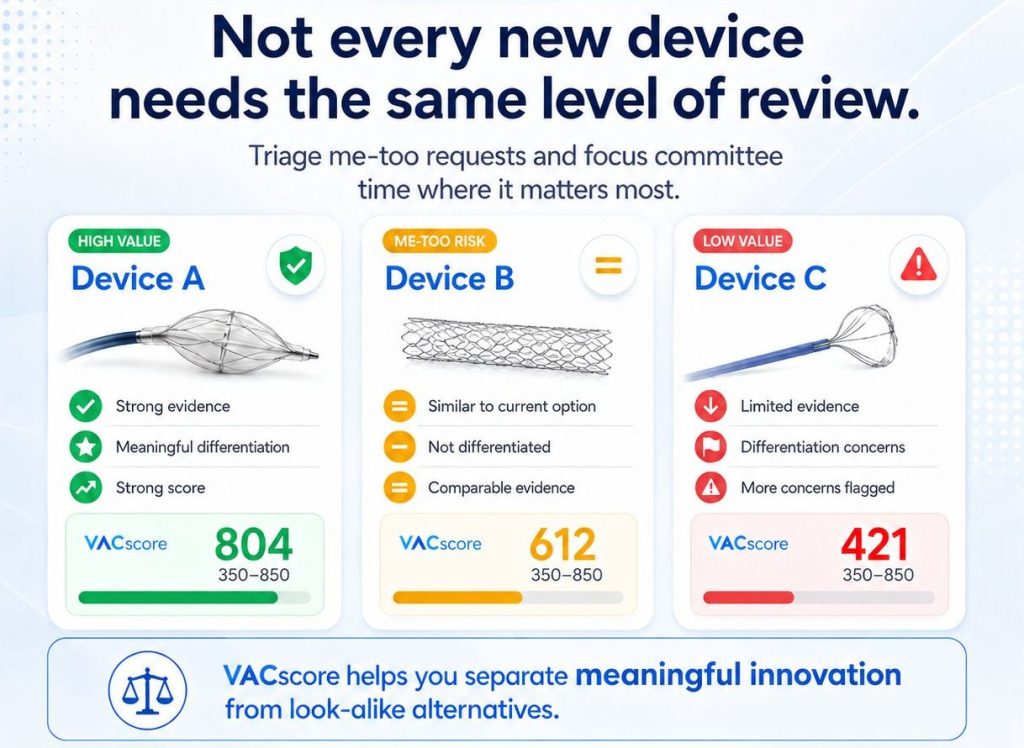
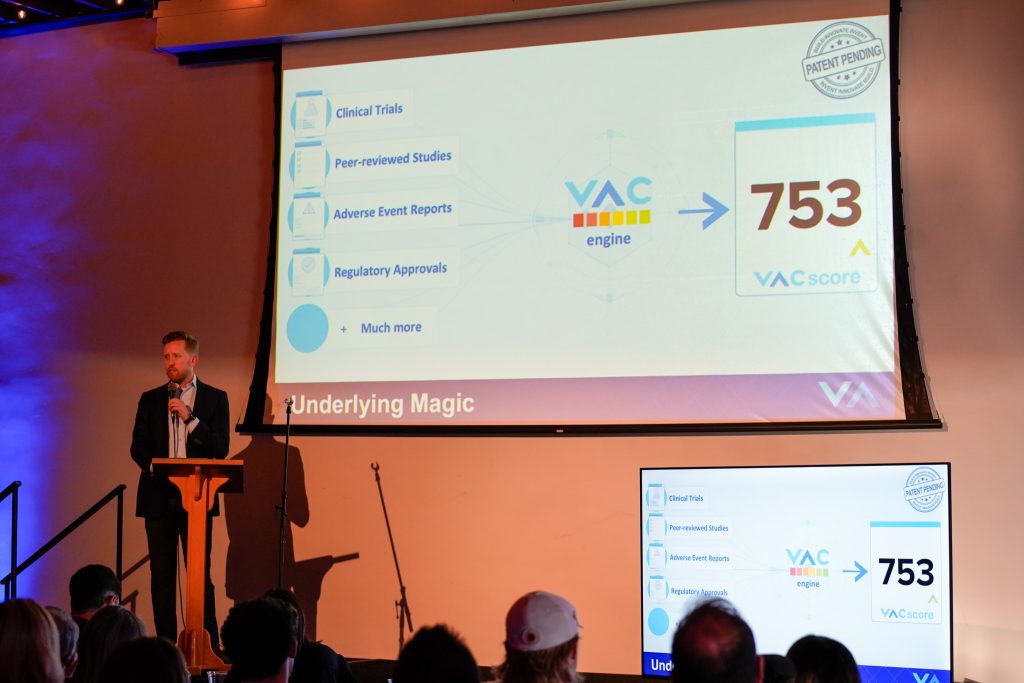
“We take in all the data from a device and aggregate it, analyze it, score it and prepare a report,” O’Dell said. “This is more information than the hospital systems get doing it manually, and we can do it in minutes versus months.”
The platform also flags another critical factor in leveling the playing field: financial ties between device manufacturers and physicians requesting a product.
O’Dell is adamant about VACScore having this independent stance because he often saw perfectly safe, but not clinically differentiated devices, become popular through consulting fees, speaking engagements and other financial relationships with physicians.
Gaining traction near and far
VACScore was one of seven finalists to pitch at Knoxville Entrepreneur Center‘s “What’s the Big Idea” pitch competition this spring, and was just selected for their WORKS Accelerator. The company was also a part of Project Healthcare, the Nashville Entrepreneur Center’s healthcare-focused accelerator.
But they’ve launched a soft pilot with Grandview Regional Medical Center in Birmingham, Alabama, part of Community Health Systems (CHS) as well. This is a quality-assurance step ahead of a planned full pilot launch across the CHS system.
Nevertheless, Tennessee acts as the “North Star.”
O’Dell’s father worked for the Tennessee Chamber of Commerce and helped bring Nissan to Tennessee in the 1980s. It’s been his goal to continue that legacy of contributing to the state.
“It’s just kind of ingrained in me to build and stay in Tennessee,” he said. “One of the things I think is attractive about our business model is that we’ll do business all over the country and bring that revenue back to Tennessee and hire people here. That really excites me. It’s a big motivation.”
Like what you've read?
Forward to a friend!