

A gift of $25 million to Vanderbilt University fast-tracks a new hub for Tennessee’s innovation economy
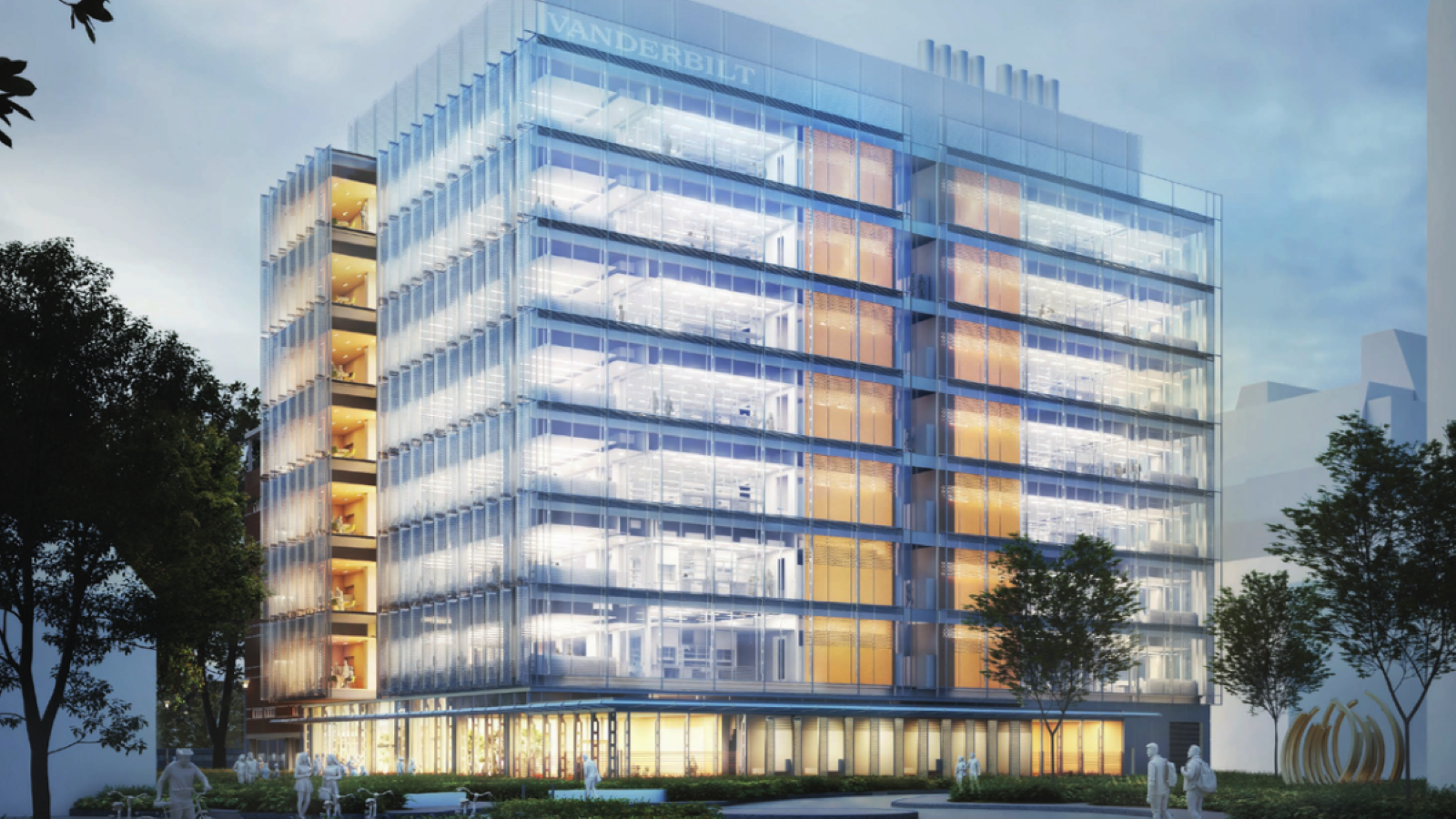
Anonymous donors have committed $25 million to build a bold new hub of innovation and discovery at Vanderbilt University.

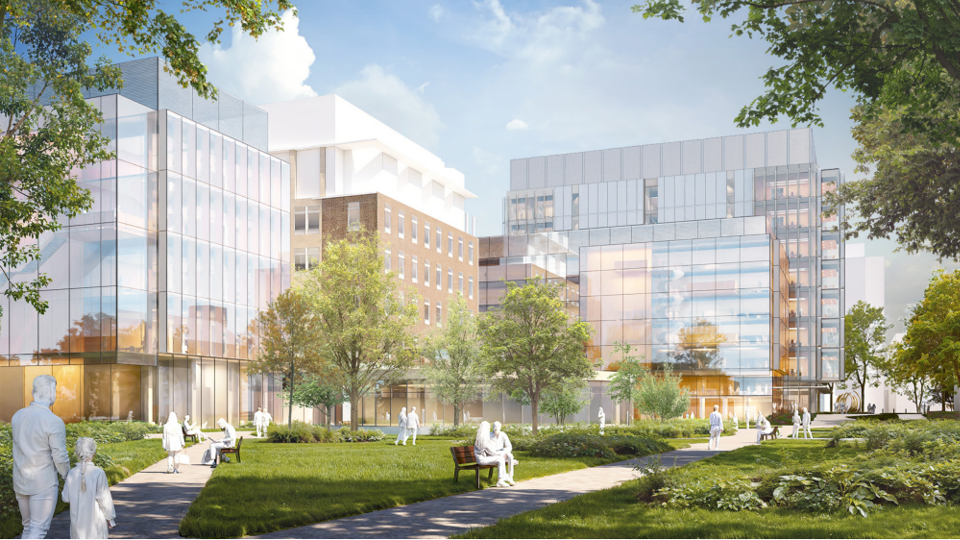
Set to rise on the site of the former Stevenson Center 6 Building and open in 2028, the roughly 210,000-square-foot facility will bring together chemical biology, bioengineering, biophysics, nanophotonics, quantum computing and a cutting-edge wet lab space, all under one roof.
We interviewed C. Cybele Raver, Vanderbilt’s provost and vice chancellor for academic affairs, to get first-hand insights on what this facility and investment really means for Vanderbilt University and the state.
Q: How does this facility fit into Vanderbilt’s broader strategy to contribute to Tennessee’s economy?
I’m incredibly proud to drive this project forward. This facility is a critical part of our vision to expand Vanderbilt’s research capacity in areas that are fundamental to the strength of our region and our nation — both in terms of economic development and in terms of our nation’s and our region’s health.
“Over the last five years, we’ve placed big bets in areas like quantum computing, AI through our new College of Connected Computing, and translational science, particularly in biotechnology and drug discovery. This building brings those areas together to support that vision.”
Q: What are the plans to commercialize the work being done in this facility?
Innovation needs bright, big, bold ideas, and universities like Vanderbilt are great at sparking them. Bringing scientists, engineers and technologists into one space rather than siloed is what lets those ideas move faster from a lab toward a company. Universities strengthen the innovation ecosystem in three ways.
“First, we create a hub where scientists, engineers and technologists can work side by side to generate new discoveries. Second, we train the next generation of students as rising workforce talent, leaders, innovators and entrepreneurs in engineering, biotech and AI-related industries. Third, which is a little under-recognized but I love it, we create opportunities to connect academic researchers with industry partners. We accelerate tech transfer and deliver those discoveries as market-based solutions through real-world applications. We already have great examples of that in motion.”
“Bob Webster, a faculty member who specializes in surgical robotics launched EndoTheia. He now has a corporate partner, Nissha Medical Technologies. Another is Craig Lindsley, who leads our Warren Center for Neuroscience Drug Discovery and works with private sector scientists to discover new medications for Alzheimer’s and Parkinson’s disease. Karl Zelik, developed an exoskeleton technology to help people, from soldiers to manufacturing workers, lift heavy objects. That work became the startup HeroWear.”
“We plan to do even more of this with the new facility.”
Q: How does this facility reinforce Tennessee’s case as a destination for top scientific talent and investment?
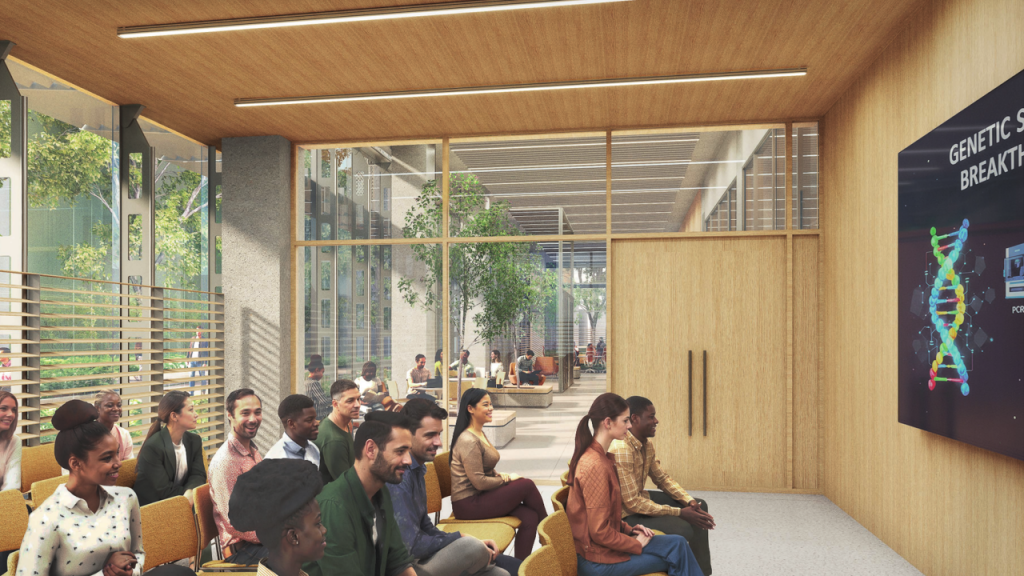
Tennessee communicates tremendous opportunity: To start new businesses, to build, to grow in new technological areas that are ripe for advancement. We believe, as the saying goes, that ‘talent follows opportunity.’ When we build a new facility with tremendous capability for scientists, engineers and technologists to work together, that opportunity draws new talent to the state. And with that talent comes great graduate students, fantastic undergraduate students and everyone that our science faculty members train in their labs. The workforce gets stronger, and that ripple effect cascades.
“Retention matters just as much as recruitment. The university, the city and the region serve as powerful magnets because together we create such a welcoming, engaging, vibrant community that it becomes difficult for people to leave. It really is a virtuous flywheel of economic growth and its a great collaborative effort with the city and other employers in the region.”
Q: What do you want to say to the researchers and graduate students being recruited right now?
We’re attracting talent at every stage of the life and career trajectory, from high schoolers to senior investigators.
“For students, that means getting involved now: visiting campus, signing up for summer intensives and workshops, talking with faculty about projects that spark your entrepreneurial energy or simply reaching out to a lab through our website. For grad students and researchers, the path to science can feel long and difficult. Our mission with this building is to open the front door and say ‘Welcome! We’re so excited you’re here – come on through. You can maximize your full potential here.’ We want faculty who feel that the path to tenure or to their first patent is long to know there’s a new ecosystem here that’s jet-propelled to help them leap forward.”
“We’re building this not just for the next two or five years, but for the next generation of scientists and engineers.”
Q: What technology or new offerings will the building offer?
On campus, we already have a number of wet labs, but many of our wet labs are in aging buildings. Those buildings don’t accommodate the updated technology that those wet labs increasingly need. This facility really allows for the integration of that new technology, more sophisticated instruments and more computational power.
“Outside of this, it’s actually challenging in many ways. We can’t fully predict what specific technology will be installed just yet. We’re hiring faculty this fall, and we will want the technology tailored to their needs. Technology changes at such a rapid pace that you can’t build a building that is static in its function. This building will be ultra-flexible, which is a huge selling point to faculty. The adaptability and ability to personalize is innovative in its own right, whether it’s a new faculty member arriving with a specific need or a major piece of equipment new to the scene.”
Q: For the University and this building, what does success look like?
To me, it looks like this building running as a well-oiled, inspiring machine — one that fuels real discovery and entrepreneurial innovation, where faculty bring colleagues from other universities for a tour of their labs and a chance to meet our smart, creative and technically well-trained students.
“We want people to say, ‘You’ve transformed the way science and technology happen here. You have a tech transfer office, startup companies just a few blocks away and a medical center right next door translating discoveries into real-world solutions.’ This is such an exciting moment, both for me as provost and for Vanderbilt. We are thrilled for all that lies ahead.”
Follow Vanderbilt University on LinkedIn for more updates.
Like what you've read?
Forward to a friend!