

23 Chattanooga-area educators named to inaugural QCaMP quantum cohort
23 educators from 16 Chattanooga-area schools have been named to the region's inaugural QCaMP cohort, one of only 20 Sandia National Laboratories-led quantum educator programs nationwide.
The Chattanooga Quantum Collaborative (CQC) has announced that 23 educators were selected for the Chattanooga area’s inaugural cohort of QCaMP (Quantum Computing, Mathematics and Physics Camp).
The cohort represents 16 public and private schools across the region. Priority was given to active K–12 teachers within commuting distance of Chattanooga to support in-person collaboration and classroom follow-through, but selection proved to be a tough decision due to such large interest.
“Chattanooga came in strong for its first year,” said Lillian Brunacini, QCaMP 2026 Program Manager. “We saw real enthusiasm from educators who are eager to learn, collaborate, and think creatively about how quantum concepts can be introduced in accessible ways for students. That level of engagement says a lot about the momentum already building in the region.”
Participating schools include:
- Brainerd High School
- Chattanooga Christian School
- Chattanooga Girls Leadership Academy
- Chattanooga School for the Arts and Sciences
- Collegedale Academy
- Girls Preparatory School
- Hamilton County Virtual School
- Howard School
- Hunter Middle School
- McMinn County High School
- Red Bank Elementary, Middle, and High School
- Signal Mountain Middle School
- Soddy Daisy Middle School
- University High at UTC
Building the quantum talent pipeline
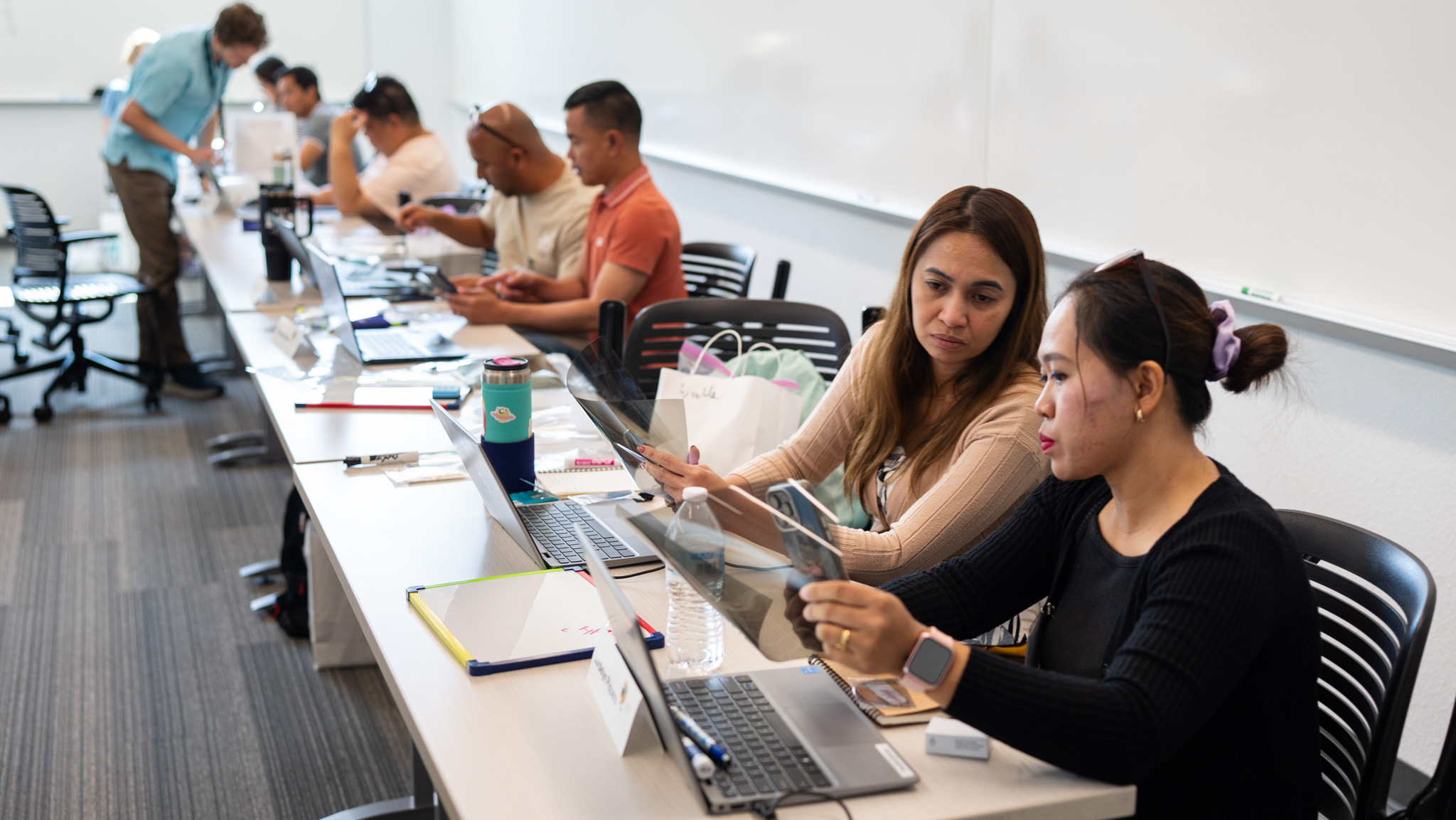
The QCaMP initiative, scheduled for June 22–26, 2026, at The University of Tennessee Chattanooga (UTC), targets the very beginning of the talent pipeline: the educators.
By providing teachers with a $500 stipend for completing the course (and an additional $500 if they choose to implement learnings into their classroom), the goal is to foster teacher confidence so that the future workforce is quantum-literate at the K-12 level, rather than being introduced to the concepts for the first time at university.
“Supporting educators with access to high-quality professional development is a reflection of Hamilton County Schools’ commitment to investing in educator learning,” said Hamilton County Schools Chief Academic Officer Blake Freeman. “QCaMP provides our educators with the opportunity to engage with innovative ideas and strategies that foster engaging learning environments and prepare students to be life-ready after graduation.”
UTC Chancellor Lori Bruce agreed. “Part of UTC’s role in this work is helping connect research, education, and workforce development in ways that are meaningful for our region. These educators represent an important bridge between emerging technologies and the students who will eventually shape how they’re used,” she said.
Why Chattanooga?
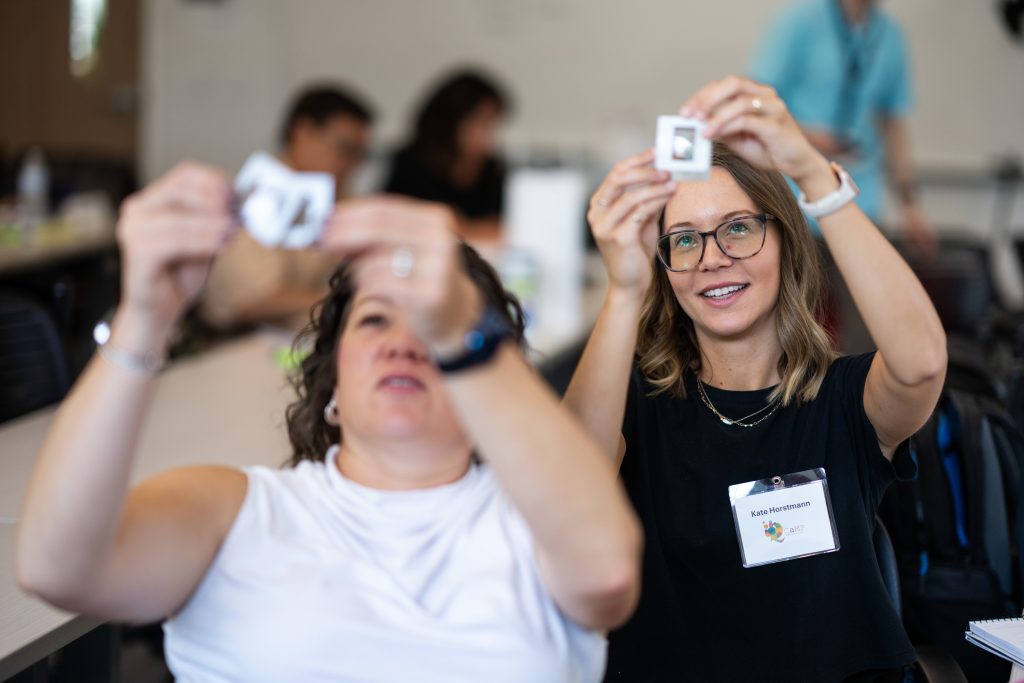
Chattanooga is the ideal host for such a selective program due to an existing quantum ecosystem that few other mid-sized, or even large, cities can match.
The city offers EPB’s Quantum Network, the first commercially available quantum computing and networking hub in the U.S.
UTC has also recently launched their new Nanoengineering Center. This center supports the materials, nano-enabled fabrication and predictive modeling that make quantum technologies practical.
But what truly sets the city apart is how these quantum community partners talk to one another. The Chattanooga Quantum Collaborative brings together UTC, EPB, CO.LAB and others to showcase how a city can align its utility, academic and entrepreneurial sectors for innovation.
Like what you've read?
Forward to a friend!